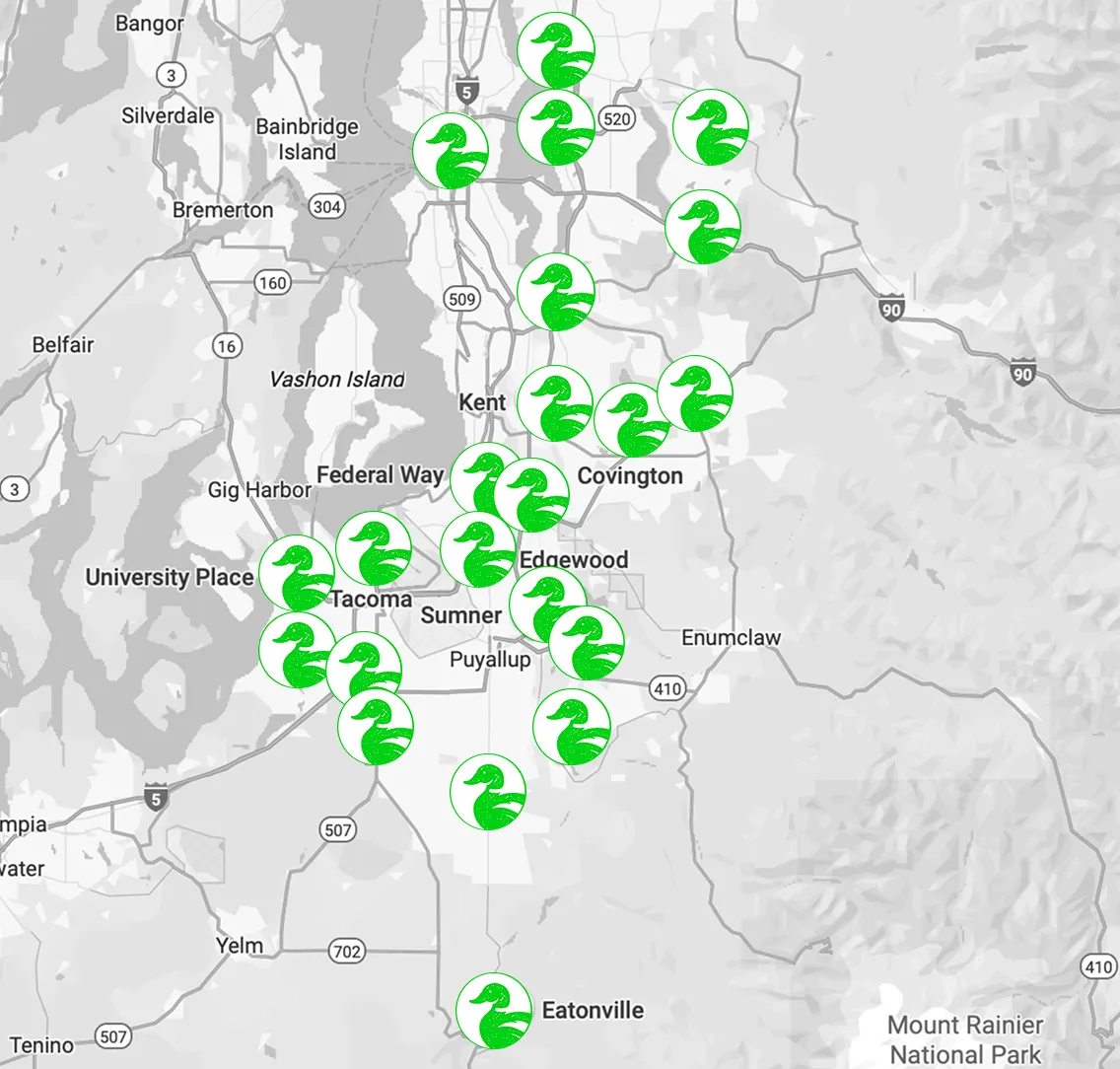
Heat Pump Installation in Issaquah
Installing a heat pump in Issaquah can transform how your home heats and cools, delivering reliable comfort, cleaner indoor air, and significant energy savings in the Pacific Northwest climate. Green Head Heating offers a complete, step-by-step approach to heat pump installation tailored to Issaquah homes, from on-site assessment and precise load calculations to system selection, professional installation, commissioning, and ongoing performance verification. This page clarifies the full process, common local challenges, efficiency and rebate considerations, warranty and financing options, and practical maintenance guidance so you can make an informed, confident decision.
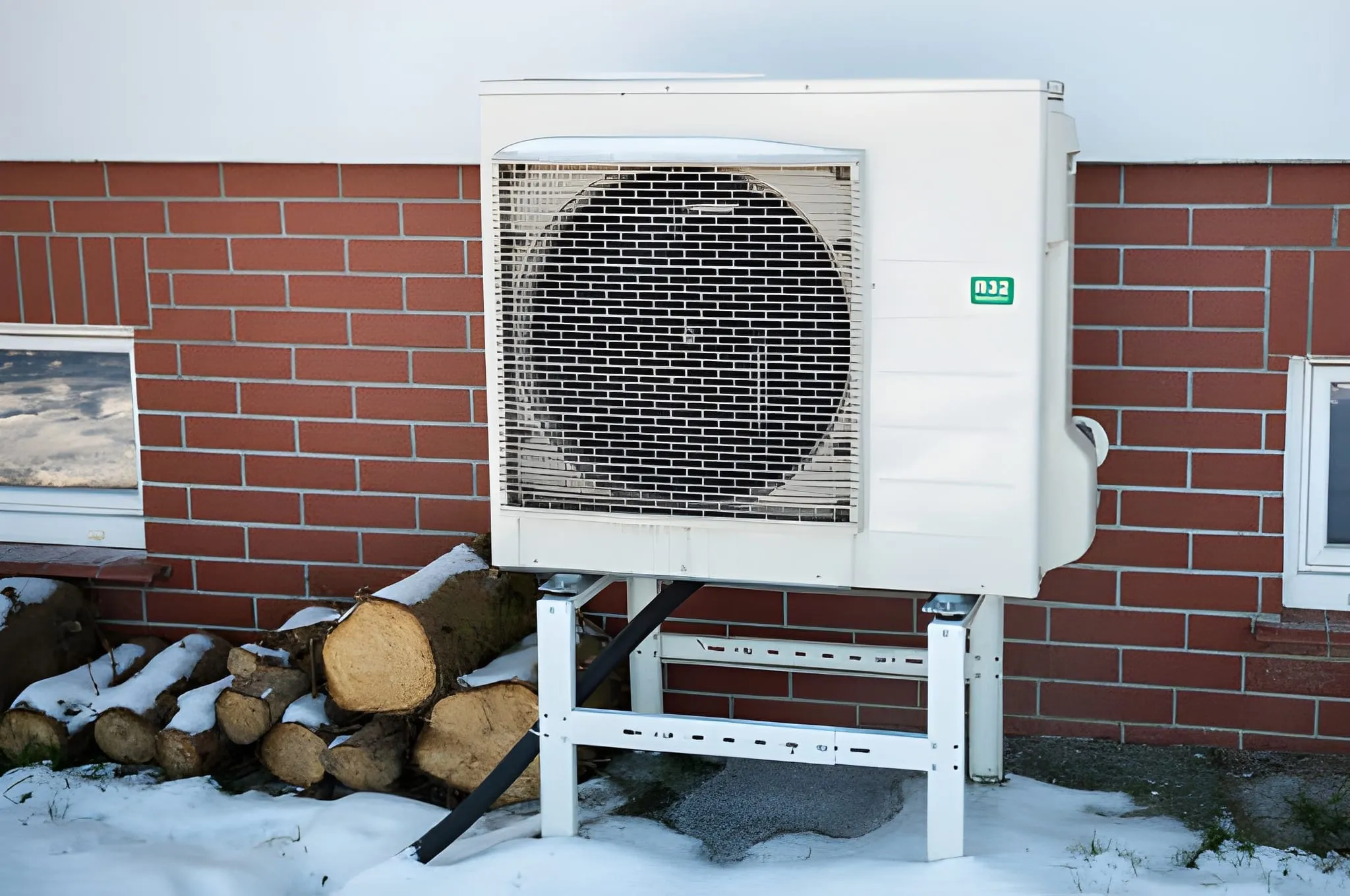
Heat Pump Installation in Issaquah
Installing a heat pump in Issaquah can transform how your home heats and cools, delivering reliable comfort, cleaner indoor air, and significant energy savings in the Pacific Northwest climate. Green Head Heating offers a complete, step-by-step approach to heat pump installation tailored to Issaquah homes, from on-site assessment and precise load calculations to system selection, professional installation, commissioning, and ongoing performance verification. This page clarifies the full process, common local challenges, efficiency and rebate considerations, warranty and financing options, and practical maintenance guidance so you can make an informed, confident decision.
Why a heat pump makes sense in Issaquah
Issaquah experiences cool, wet winters and mild summers. That climate profile favors heat pumps for several reasons:
- Heat pumps are highly efficient at moderate outdoor temperatures, providing more heating energy per unit of electricity than electric resistance heat.
- Electric heat pumps reduce or eliminate the need for on-site combustion, improving indoor air quality and aligning with local electrification goals.
- Variable-speed and cold-climate models maintain performance during the cooler winter nights common in Issaquah foothills.
- Heat pumps also provide effective cooling during summer and shoulder seasons, making them a year-round comfort solution.
Green Head Heating brings local experience to each project, matching system choices and installation practices to Issaquah weather patterns, common home construction types in the area, and the local electrical infrastructure.
Common heat pump installation scenarios in Issaquah homes
Many Issaquah homeowners come to a heat pump solution from one of these typical starting points:
- Replacing an older electric or gas furnace with a high-efficiency heat pump to reduce heating costs and emissions.
- Adding cooling where none existed previously, using ductless mini splits to avoid ductwork renovation.
- Installing a heat pump as part of a hybrid system, pairing it with an existing gas furnace for peak cold-weather performance.
- Upgrading inefficient window ACs or baseboard heaters to ductless Mitsubishi systems for zoned comfort.
- Retrofitting historic or compact homes where adding ductwork would be disruptive.
Each scenario requires different design and installation considerations. Green Head Heating evaluates these factors during the initial site assessment to determine the most practical and cost-effective approach.
On-site assessment and load calculations
A reliable installation begins with a thorough, on-site assessment and an accurate heating and cooling load calculation. Green Head Heating performs these core steps:
- Home inspection: Evaluate insulation, windows, air sealing, existing HVAC equipment, duct conditions, crawlspace and attic access, and typical occupancy patterns.
- Manual J load calculation: Determine the precise heating and cooling loads for each conditioned space. This is critical to avoid undersizing or oversizing the heat pump.
- Duct assessment or zoning review: For ducted homes, inspect ductwork for leaks, insulation, and airflow capacity. For ductless installations, identify ideal indoor head locations for comfort and aesthetics.
- Electrical review: Check service panel capacity, available circuits, and the feasibility of installing dedicated breakers. Identify potential need for panel upgrades to accommodate compressor startup loads.
- Site logistics: Determine outdoor unit placement for proper airflow, clearance, noise mitigation, and ease of maintenance. Verify condenser pad, refrigerant piping routing, and line set lengths.
Issaquah properties on hillsides, with older construction, or with limited outdoor space may require special placement considerations. The assessment will document any structural or electrical upgrades recommended to ensure safe, code-compliant installation.
Selecting the right heat pump for your home
Picking the correct system type is essential for long-term satisfaction. Green Head Heating evaluates your home and lifestyle to recommend the best fit among these common options:
- Ductless mini split systems (including ductless Mitsubishi options)
- Ideal for room-by-room zoning, older homes without ducts, new additions, or where minimal disruption is desired.
- Mitsubishi ductless units are known for quiet operation, variable-speed inverter compressors, and excellent cold-weather performance.
- Offer high seasonal efficiency and can be combined into multi-zone systems for whole-home coverage.
- Ducted air-source heat pumps
- Best for homes with existing ductwork in good condition.
- Provide whole-house heating and cooling using central air handlers and single outdoor compressors.
- Modern inverter-driven models offer variable capacity to reduce cycling and improve comfort.
- Cold-climate heat pumps
- Specialized models are optimized for lower outdoor temperatures, maintaining higher capacity during Issaquah winter nights.
- Useful in homes with high heating loads or where electric backup is limited.
- Hybrid systems
- Combine a heat pump with a gas furnace for a dual-fuel approach, switching to the most efficient source based on outside temperature and energy costs.
- Attractive for homeowners who want redundancy in extreme cold.
Key selection factors include:
- Accurate sizing from Manual J calculations.
- Seasonal Energy Efficiency Ratio (SEER) and Heating Seasonal Performance Factor (HSPF) ratings.
- Cold-climate performance specs for Issaquah winters.
- Indoor head options, airflow patterns, and aesthetic preferences.
- Sound levels and outdoor unit placement relative to neighbors.
Green Head Heating specializes in ductless Mitsubishi systems and brings expertise in sizing and integrating multi-zone ductless designs that maximize efficiency and comfort.
Energy-efficiency, rebates, and incentives in Issaquah
Understanding available incentives can improve the economics of a heat pump installation. Green Head Heating provides guidance to help homeowners identify and apply for relevant programs. Important considerations:
- Federal incentives: Recent federal programs have offered tax credits and rebates for qualifying heat pump installations. Eligibility depends on equipment efficiency ratings and project scope.
- State and local incentives: Washington state and King County have intermittently offered incentives that encourage heat pump adoption. Utilities like Puget Sound Energy often have rebate programs for qualifying heat pumps, heat pump water heaters, and weatherization measures that complement system upgrades.
- Manufacturer promotions: Some manufacturers occasionally offer promotions or extended warranties when specific equipment is installed by certified contractors.
- Combined incentives: Many homeowners realize the best value by combining utility rebates, state incentives, and federal credits, along with additional savings from reduced monthly energy bills.
Green Head Heating reviews the homeowner's utility, current incentive landscape, and qualifying equipment to prepare a realistic projection of net costs and the payback timeline. The company also documents equipment specifications required by rebate programs to ensure installations meet program requirements.
Permits, code compliance, and safety
Heat pump installations in Issaquah must comply with King County and city permitting requirements, building codes, and electrical standards. Green Head Heating coordinates:
- Permit application and documentation: Preparing load calculations, electrical plans, and equipment specs for the building department.
- Code compliance: Ensuring systems meet local mechanical and electrical codes, including refrigerant handling and safe outdoor unit placement.
- Electrical inspections: Confirming panel and circuit work meet inspection standards.
- Manufacturer installation guidelines: Following manufacturer procedures to maintain warranty validity.
Proper permitting and code compliance protect homeowners from liability and ensure long-term system reliability.
Professional installation process
Green Head Heating follows a disciplined installation process to minimize disruption and deliver reliable performance. Typical phases include:
- Pre-installation planning
- Finalize equipment selection, refrigerant line routing, indoor head locations, and electrical requirements.
- Schedule permit inspections and coordinate any subtrades such as electricians or carpenters when service upgrades or structural work are needed.
2. Site preparation
- Prepare outdoor pad or mounting brackets, ensure safe access, and protect landscaping.
- Make temporary protections for interior finishes if indoor work is required.
3. Electrical and mechanical rough-in
- Install disconnects, dedicated breakers, and any required panel upgrades.
- Run refrigerant line sets, condensate drains, and control wiring between outdoor and indoor units.
- Upgrade or repair ductwork when a ducted system is used.
4. Refrigerant handling and vacuuming
- Proper brazing and leak testing.
- Pull vacuum on refrigerant lines to remove moisture and non condensable gases to manufacturer-specified levels.
5. System startup and commissioning
- Charge refrigerant to manufacturer specifications if needed and confirm system pressures.
- Configure controls and thermostats, set fan curves, and program zone settings.
- Monitor initial run cycles to verify performance and noise levels.
6. Final inspection and handover
- Complete mechanical and electrical inspections, finalize documentation, and review basic operation with the homeowner.
Installations are conducted by certified technicians, using industry-standard tools and procedures to protect equipment longevity and warranty coverage.
Commissioning and performance testing
A professional commissioning process ensures the system performs to expectations. Green Head Heating conducts:
- Airflow and static pressure checks for ducted systems.
- Temperature split measurements to validate heating and cooling capacity.
- Electrical measurements to confirm current draw and verify efficient operation.
- Refrigerant charge verification and superheat/subcooling checks on variable-capacity systems.
- Noise and vibration assessments for outdoor units to ensure neighbor-friendly operation.
- Final performance reporting that documents measured values versus design targets.
Issaquah homeowners gain confidence from this rigorous testing that the system is delivering the designed comfort levels and efficiency.
Warranty and financing information
Warranties and financing are important parts of the decision process. Green Head Heating provides clear information about:
- Manufacturer warranties: Typical components, compressor warranties, and what actions can void coverage, such as improper installation or failure to complete recommended maintenance.
- Installation workmanship warranty: Coverage on the quality of installation and any corrective work needed due to installation error.
- Extended warranty options: Some manufacturers and third parties offer extended coverage plans for labor and parts beyond factory warranties.
- Financing options: Many homeowners finance heat pump installations through home improvement loans or specialized energy financing programs. Green Head Heating outlines typical financing structures and documentation needs without recommending specific products.
Clear warranty and financing guidance helps homeowners protect their investment and plan for predictable cash flow.
Post-installation maintenance and long-term performance
Maintaining a heat pump keeps efficiency high and extends system life. Recommended maintenance practices include:
- Twice-yearly professional tune-ups: Inspect refrigerant charge, electrical connections, airflow, controls, and defrost cycles.
- Regular filter replacement: Replace or clean filters every 1 to 3 months depending on system and household conditions.
- Keep outdoor unit clear: Remove leaves, snow, and debris that can restrict airflow, especially important in Issaquah where heavy fall leaves and winter precipitation are common.
- Monitor system performance: Note any unusual noises, reduced heating capacity, or increased energy bills and schedule inspection promptly.
- Periodic duct inspections: For ducted systems, check for leaks and insulation wear that degrade efficiency.
Green Head Heating documents recommended maintenance intervals and can prepare a service plan to preserve peak performance.
Common issues and troubleshooting in Issaquah installations
Issaquah homes encounter a few recurring heat pump challenges. Understanding these helps homeowners set realistic expectations:
- Reduced performance with undersized systems: Proper Manual J sizing prevents chilly rooms and excessive runtime.
- Cold-climate performance: Standard models may struggle during extreme cold snaps. Cold-climate or enhanced defrost models maintain capacity better.
- Duct losses in older homes: Leaky or uninsulated ducts can waste a large portion of heat, so duct repair or sealing may be necessary for optimal results.
- Electrical service limits: Older panels may lack spare capacity for a new heat pump compressor. Panel upgrades can be part of the project scope.
- Snow and debris around the outdoor unit: Elevated bases or mounting brackets mitigate snow drift and drainage issues common on local properties.
Green Head Heating anticipates these issues during assessment and provides clear options to prevent or mitigate them.
Benefits over time for Issaquah homeowners
Investing in a heat pump delivers a combination of immediate and long-term benefits:
- Lower operating costs compared with electric resistance and often with older gas systems.
- Year-round comfort with efficient heating and cooling.
- Reduced carbon footprint and alignment with Washington state electrification initiatives.
- Potential increase in home resale appeal due to modern HVAC and efficiency credentials.
- Improved indoor air quality when replacing combustion heating and coupling the system with proper ventilation and filtration.
When combined with insulation and air sealing upgrades, a heat pump can significantly reduce energy consumption and stabilize household comfort levels across Issaquah seasons.
Why system selection and installation quality matter
Two homes with identical heat pumps can perform very differently depending on design and installation. Key differentiators include:
- Accurate Manual J and Manual D (duct design) calculations versus rule-of-thumb sizing.
- Proper refrigerant charging and inverter configuration to match real-world loads.
- Thoughtful indoor head placement in ductless systems to deliver balanced airflow and minimize cold spots.
- Correct electrical infrastructure to handle startup currents and continuous operation without stray voltage or nuisance trips.
- Adherence to manufacturer installation manuals to preserve warranties and extend equipment life.
Green Head Heating combines technical rigor with local knowledge to ensure the equipment delivers promised efficiency and comfort.
Financing the transition and understanding return on investment
Replacing older heating equipment with a modern heat pump is an investment in comfort and efficiency. Financial considerations include:
- Upfront equipment and installation costs, which vary by system type and the need for electrical or ductwork upgrades.
- Available incentives and tax credits that reduce net cost.
- Lower monthly energy bills, which begin immediately after installation in most cases.
- Long term savings and possible increases in property value.
A holistic evaluation that includes incentives, energy savings estimates, and expected equipment life helps homeowners see the realistic payback period.
Q: How long does a typical heat pump installation take?
A: Complete timeline depends on project scope. A single-zone ductless installation can often be completed in one to two days once permits are in place. Whole-house ducted systems or jobs requiring electrical panel upgrades and duct repairs can take several days to a week. Permit processing may extend the overall schedule.
Q: Are ductless Mitsubishi systems a good choice for Issaquah homes?
A: Yes. Mitsubishi ductless systems are a strong fit for Issaquah due to their quiet operation, effective cold-weather models, and flexible multi-zone options that allow targeted comfort without ductwork. They work well in older homes, additions, or where zoning is desired.
Q: Will I need an electrical panel upgrade for a heat pump?
A: It depends on the existing panel capacity and the size of the heat pump. Green Head Heating evaluates your electrical service during the on-site assessment and will recommend upgrades only when necessary to meet safety and code requirements.
Q: What rebates and incentives are available for heat pumps in Issaquah?
A: Incentives change over time. Eligible homeowners often find savings through a combination of federal tax credits, Washington state programs, and local utility rebates such as those offered by Puget Sound Energy. Green Head Heating helps identify potential programs and documents equipment specifications needed for applications.
Q: How long do heat pumps last?
A: With proper maintenance, heat pumps typically last 15 to 20 years. Regular professional tune-ups, timely filter changes, and routine inspections of outdoor units and controls help maximize service life.
Q: Can a heat pump replace my gas furnace completely?
A: Many Issaquah homes move to all-electric heat pump systems successfully, particularly with modern cold-climate models. Homes with very high heat loads or specific backup preferences may choose a hybrid approach that retains a gas furnace for peak cold days.
Q: Do heat pumps work in wet climates like Issaquah?
A: Yes. Modern heat pumps are designed for humid and wet climates. Properly installed outdoor units, corrosion-resistant materials, and appropriate clearance for airflow address local weather conditions. Regular maintenance ensures consistent, reliable operation in Issaquah.
Q: What maintenance should homeowners perform?
A: Homeowners should change or clean filters every 1 to 3 months, keep outdoor units free of leaves and snow, and monitor system performance. Schedule professional inspections at least annually or twice yearly for high-use climates.
Q: Will a heat pump reduce my energy bills?
A: Most homeowners see lower heating costs compared with electric resistance systems and often with older gas systems when fuel prices are considered. Savings depend on system efficiency, home envelope performance, and usage patterns.
Q: How does Green Head Heating ensure installation quality?
A: Green Head Heating follows rigorous design, installation, and commissioning protocols, including Manual J load calculations, correct refrigerant handling, electrical compliance, and documented performance testing. The company specializes in ductless Mitsubishi systems and brings local Issaquah experience to every job.
.svg)