Heat Pump Installation in Orting
Heat pump installation in Orting is a practical, energy-smart choice for year-round comfort in homes that face cool, wet winters and mild summers. Green Head Heating provides the full-service approach many Orting homeowners need: accurate site assessment, precise load calculations, selection of the right system type and size, professional installation including electrical and refrigerant work, permitting and code compliance, guidance on available rebates and financing, clear warranty documentation, and thorough post-installation testing and commissioning. This page explains the complete process and what to expect when replacing or upgrading your home heating system with a heat pump in Orting.
Heat Pump Installation in Orting
Heat pump installation in Orting is a practical, energy-smart choice for year-round comfort in homes that face cool, wet winters and mild summers. Green Head Heating provides the full-service approach many Orting homeowners need: accurate site assessment, precise load calculations, selection of the right system type and size, professional installation including electrical and refrigerant work, permitting and code compliance, guidance on available rebates and financing, clear warranty documentation, and thorough post-installation testing and commissioning. This page explains the complete process and what to expect when replacing or upgrading your home heating system with a heat pump in Orting.
Why a heat pump makes sense in Orting
- Orting experiences cool, damp winters and occasional cold snaps, but not extreme prolonged cold. Modern heat pumps perform efficiently in this climate, delivering heating and cooling with lower operating costs than many electric resistance or older gas systems.
- Heat pumps provide consistent indoor comfort, better humidity control, and quieter operation compared with combustion-based systems.
- With growing local and state incentives for efficient equipment, installing a heat pump can be a cost-effective long-term decision for energy savings and reduced carbon footprint.
Common heat pump types and typical Orting applications
- Air-source heat pumps: The most common option for single-family homes in Orting. They exchange heat between outdoor air and indoor air and are available in ducted and ductless configurations.
- Ductless mini-split systems (including Mitsubishi models): Ideal for homes without existing ductwork, additions, or rooms needing independent temperature control. Mitsubishi is a leading manufacturer for reliable ductless systems with strong cold-climate performance.
- Ducted heat pumps with air handlers: Replace or pair with existing ductwork; a good option when you want whole-house heating and cooling through your ducts.
- Cold-climate heat pumps: Specifically engineered to maintain efficiency at lower temperatures. Recommended if your home experiences frequent single-digit nights or if you want strong performance during cold snaps.
- Hybrid systems and heat pump water heater integration: Combine heat pumps with gas or existing systems for redundancy or to optimize seasonal efficiency.
Site assessment and load calculations: the foundation of a right-sized system
A professional installation begins with a comprehensive site assessment. Key elements include:
- Manual J load calculation: This industry-standard calculation determines the precise heating and cooling load based on home size, orientation, insulation levels, window types, air infiltration, occupancy, and local climate conditions in Orting. Proper sizing prevents short cycling, reduces wear, and avoids comfort problems.
- Ductwork evaluation: Inspecting existing ducts for leakage, sizing, and insulation. Poor ducts can negate the efficiency gains of a new heat pump. Some homes benefit from sealed and insulated duct upgrades or partial ductless solutions.
- Electrical panel and service check: Confirming capacity for the new heat pump, assessing main breaker, disconnect location, and whether upgrades are necessary.
- Structural and placement considerations: Evaluating outdoor condenser placement for clear airflow and minimal noise impact, indoor air handler or head placement for efficient distribution, and line set routing through walls or attic spaces.
- Site constraints and homeowner goals: Considering aesthetic placement, setback requirements, and homeowner preferences for quiet operation or multi-zone control.
Selecting the right heat pump type and size
- Right-sizing: After the Manual J calculation, system selection focuses on matching capacity to the calculated load. Oversized systems waste energy and underperform; a precisely sized heat pump maintains comfort efficiently.
- Choosing ductless vs ducted:
- Ductless mini-splits: Best for homes without ducts, room additions, or when you want zone control and high efficiency. Mitsubishi ductless lines often provide excellent part-load performance and quiet indoor heads.
- Ducted systems: Work well when existing ducts are adequate or can be economically upgraded. They provide whole-home distribution and are compatible with standard thermostats.
- Single-zone vs multi-zone:
- Single-zone: Efficient for small homes or adding supplemental heating to a specific area.
- Multi-zone: Allows independent temperature control for multiple rooms or floor levels, improving comfort and reducing energy use.
- Efficiency and cold-weather performance: Look at HSPF, SEER, and cold-climate ratings. In Orting, prioritize systems with strong low-temperature performance and a reliable defrost cycle.
- Refrigerant considerations: Modern systems use lower global warming potential refrigerants. Discuss refrigerant type and long-term servicing implications with your installer.
Professional installation steps: detailed, code-compliant work
A professional installation follows a planned sequence to ensure safety, performance, and compliance.
Pre-install preparation
- Site protection and work staging: Protect floors and landscaping, plan for equipment deliveries, secure permits, and confirm installation timeline.
- Equipment staging and pre-inspection: Verify model numbers, matched components, and accessory compatibility before beginning.
Mechanical and structural installation
- Outdoor unit placement: Level pad installation, appropriate clearance for airflow and service access, vibration isolation pads, and attention to snow-shedding and drainage in Orting’s wet winters.
- Indoor unit installation:
- Ductless heads: Proper mounting, refrigerant line routing with insulated line sets, condensate drain routing, and discreet placement for aesthetics and airflow.
- Air handler/coils for ducted systems: Secure mounting, proper plenum connections, and sealed transitions to ducts.
- Ductwork work if required: Sealing seams with mastic or approved tapes, insulating ducts in unconditioned spaces, and adding balancing dampers if needed.
Electrical connections and safety
- Disconnects and breakers: Installing dedicated circuits, correctly sized breakers, and outdoor disconnects per code.
- Wiring and controls: Running thermostat or communicating control wiring, integrating smart thermostats or zoning control systems, and ensuring proper low-voltage communication.
- Panel upgrades when necessary: Upgrading to a larger capacity panel or subpanel where required for safe operation and code compliance.
Refrigerant handling and charge
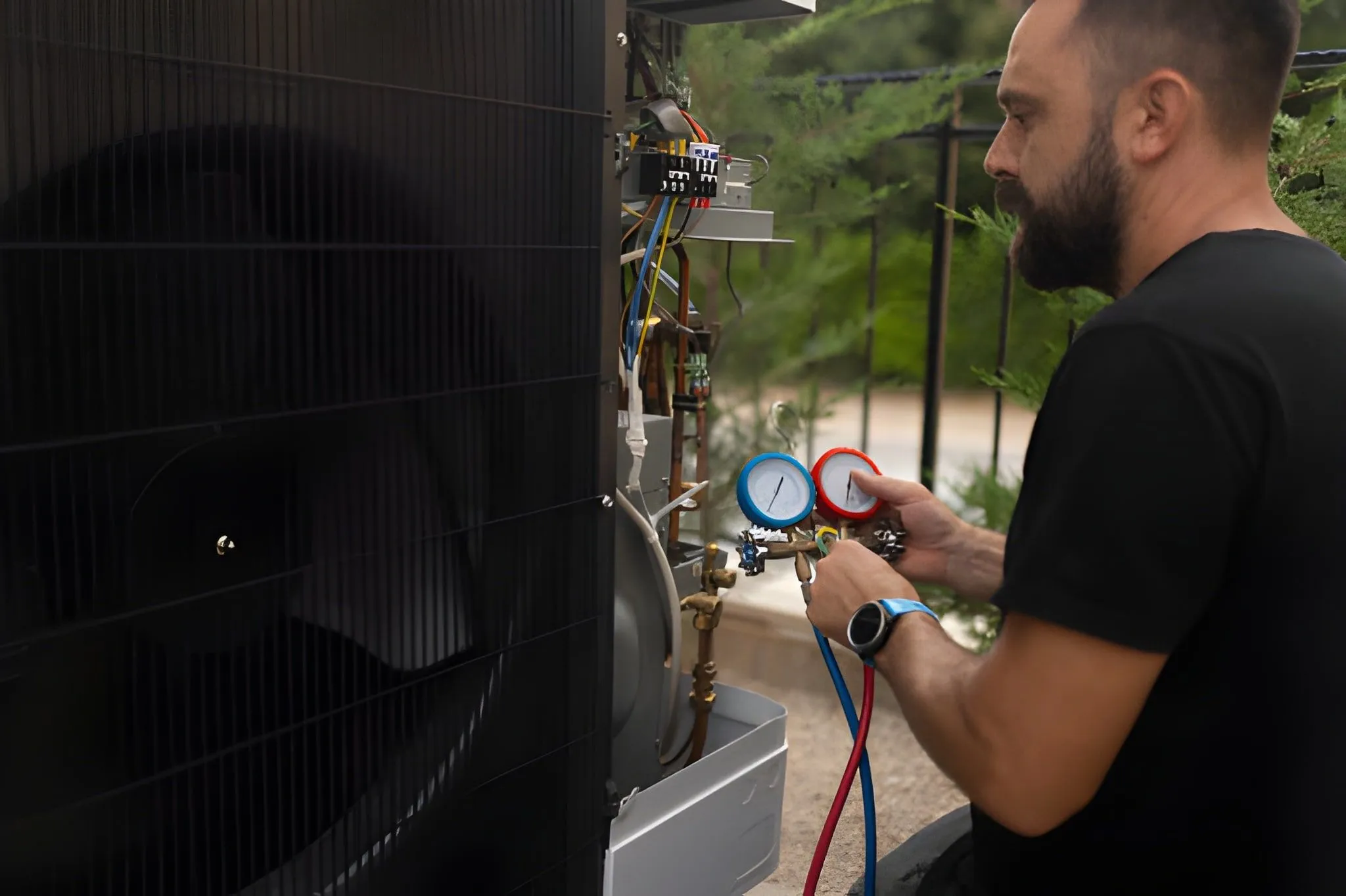
- Certified refrigerant technicians: EPA Section 608 certification is required for handling refrigerant. Technicians follow safe recovery, evacuation, and charging practices.
- Evacuation and dehydration: Vacuuming the refrigerant lines to remove moisture and non-condensables before charging.
- Charging to specifications: Charging systems by weight or by precise superheat/subcooling measurements per manufacturer guidance ensures optimal performance and long-term reliability.
- Leak testing and insulation: Pressure testing for leaks, proper insulation of line sets, and securing lines through wall penetrations.
Permitting, codes, and inspection in Orting
- Building and mechanical permits: Most heat pump installations require permits from the City of Orting or Pierce County depending on jurisdiction. Permits ensure work meets local building and mechanical codes.
- Electrical permits and inspections: Electrical work may require a separate permit and inspection by the local authority to verify safe wiring and grounding.
- Refrigerant and environmental rules: Compliance with federal refrigerant handling regulations and local code amendments.
- Final inspection and sign-off: An inspector verifies that the installation meets code and permit conditions before the system is placed into regular operation.
Available rebates, incentives, and financing options
Navigating incentives can significantly reduce the upfront cost and improve payback.
- Federal incentives: Tax credits for high-efficiency heat pump installations have been available through federal programs. Eligibility and requirements vary; homeowners should retain documentation of equipment specifications and invoices.
- State and local incentives: Washington state and local governments often provide rebates or incentives for energy-efficient equipment. These can include state-administered programs and local utility rebates.
- Utility and energy provider rebates: Local utilities and energy efficiency programs sometimes offer cash rebates or reduced rates for heat pump installations and home electrification measures. Availability varies by service area.
- Manufacturer financing and loan programs: Many manufacturers and third-party lenders offer financing options that spread payments over time. Terms and eligibility depend on credit and program specifics.
- Bundled incentive approaches: Combining manufacturer promotions, utility rebates, state incentives, and tax credits can maximize savings. Green Head Heating helps homeowners compile required documentation and application paperwork typical for these programs.
Warranty coverage and documentation
Understanding warranty coverage is important for long-term protection.
- Manufacturer warranties: Most manufacturers offer parts and compressor warranties that range from several years to longer-term coverage on major components. Warranty periods differ by brand and product line.
- Workmanship warranty: Professional installers typically provide a workmanship warranty covering installation-related issues for a specified period. This protects against problems related to improper installation.
- Transferability and registration: Many warranties require online registration soon after installation. Some warranties are transferable to a new homeowner, which can add resale value.
- Documentation packet: Proper documentation should include equipment model and serial numbers, installation date, maintenance recommendations, and warranty registration instructions.
Post-installation testing and commissioning: ensuring performance
Commissioning is the critical step that turns a well-installed system into a high-performing one.
- Leak testing and system evacuation verification: Confirming no leaks and that the system is properly evacuated.
- Proper refrigerant charge verification: Measuring superheat and subcooling or confirming refrigerant by weight and ambient conditions to match manufacturer specifications.
- Airflow and duct balancing: Measuring airflow at each register, adjusting fan speeds, and balancing dampers to ensure even distribution and proper sensible and latent performance.
- Electrical and safety checks: Verifying voltage, amperage, correct breaker sizing, and proper grounding. Confirming condensate drains and overflow safety devices function properly.
- Thermostat and control setup: Programming temperature setpoints, schedules, and ensuring multi-zone controls or communicating thermostats operate smoothly.
- Noise and vibration assessment: Checking for vibration transmission to structure, proper condenser isolation, and acceptable sound levels for outdoor unit placement in neighborhood settings.
- Performance verification: Monitoring system cycles, verifying heat delivery at design conditions, and confirming efficient operation for typical Orting winter and transitional conditions.
Maintenance and ongoing care
Routine maintenance preserves efficiency and extends system life.
- Annual tune-ups: Cleaning coils, checking refrigerant charge, verifying electrical connections, and lubricating moving parts if applicable.
- Filter replacement: Regular filter changes based on filter type and household conditions to maintain airflow and indoor air quality.
- Duct cleaning and sealing: For ducted systems, periodic inspection and sealing preserve efficiency and indoor comfort.
- Seasonal checks: Pre-winter inspection for heating readiness and pre-summer checks for cooling performance.
- Service contracts: Maintenance agreements can provide scheduled visits, priority service, and better long-term performance.
Benefits specific to Orting homes
- Lower energy bills: In Orting’s moderate climate, heat pumps typically use less energy than electric resistance or older fossil-fuel systems, resulting in meaningful savings.
- Consistent indoor comfort: Heat pumps provide steady heat and gentle airflow that reduces temperature swings common in older systems.
- Humidity control: Heat pumps manage moisture effectively, which is important in Orting’s damp seasons to reduce mold risk and improve comfort.
- Reduced carbon footprint: Switching from combustion heating to electric heat pumps reduces on-site emissions, especially on Washington’s relatively clean electric grid.
- Quiet, compact options: Ductless systems like Mitsubishi provide low-noise indoor units and minimal footprint—ideal for retrofits or historic homes in Orting neighborhoods.
Common questions and troubleshooting during the decision stage
- Will a heat pump keep my home warm during near-freezing nights? Modern cold-climate heat pumps perform well at low temperatures common in Orting. Proper sizing and good insulation are key to comfortable performance.
- Can a heat pump work with an existing furnace? Yes. Hybrid or dual-fuel configurations let a heat pump handle most heating needs, with a furnace providing backup during extreme cold.
- Is ductless right for my Orting home? Ductless is ideal if you lack ducts or want zoned control. Mitsubishi and other manufacturers offer discreet heads that blend with interiors.
- How disruptive is installation? A professional installation is typically completed in a planned sequence with focused work periods. Ductless installations often have minimal invasiveness compared with full duct replacements.
A successful heat pump installation is a combination of accurate assessment, appropriate equipment selection, skilled installation, and thorough commissioning. Green Head Heating brings experienced technicians and a methodical process tailored to Orting homes, local climate considerations, and permit requirements. Proper documentation, careful rebate qualification, and attention to warranty and maintenance detail help ensure long-term satisfaction and system performance.
Q: How do you determine the right size of heat pump for my Orting home?
A: A right-size determination starts with a Manual J load calculation that accounts for house geometry, insulation, window types, air leakage, occupancy, and local design temperatures. We match the calculated heating and cooling loads to system capacity and consider part-load efficiency and the homeowner's comfort preferences.
Q: Do I need a permit for installing a heat pump in Orting?
A: Most installations require mechanical and electrical permits. Permit requirements depend on whether your property is in City of Orting jurisdiction or Pierce County. Permits ensure the work meets local code and typically involve inspections at key stages.
Q: What is the difference between ductless and ducted heat pumps?
A: Ductless mini-splits deliver conditioned air directly into rooms through wall-mounted or ceiling-mounted heads and are excellent for homes without ducts or for room additions. Ducted systems use existing or upgraded ducts to distribute conditioned air throughout the home, providing whole-house comfort from a single system.
Q: Are there rebates or tax credits available for heat pump installation?
A: There are commonly federal tax incentives, state and local rebates, and utility programs that can lower upfront costs. Availability and eligibility vary over time and by service area. Collecting model numbers, efficiency ratings, and invoices is essential for applying for rebates and credits.
Q: What warranty coverage should I expect?
A: Expect a manufacturer parts and compressor warranty and a workmanship warranty from the installer. Warranty lengths vary by brand and model; registration and proper maintenance are often required to keep warranties valid.
Q: How long does commissioning take and what does it include?
A: Commissioning typically takes several hours depending on system complexity. It includes leak testing, evacuation, refrigerant charging, airflow balancing, electrical checks, thermostat setup, and system performance verification to manufacturer specifications.
Q: Can a heat pump reduce mold or moisture issues in my Orting home?
A: Heat pumps help control indoor humidity when sized and installed correctly. Proper ventilation and building envelope measures like air sealing and insulation work with the heat pump to improve moisture control and indoor air quality.
Q: What maintenance is needed after installation?
A: Annual tune-ups, regular filter replacement, duct inspections if applicable, and timely servicing for any refrigerant or electrical issues. Routine maintenance keeps efficiency high and extends equipment life.
.svg)