Heat Pump Installation in Parkland
Heat pump installation in Parkland transforms how your home heats and cools by delivering efficient, year-round comfort while reducing energy costs and carbon footprint. At Green Head Heating, we focus on delivering a complete, code-compliant installation process tailored to Parkland homes—whether you are replacing an aging system, retrofitting existing ductwork, or choosing a ductless Mitsubishi solution for targeted comfort. This page walks through the full installation journey: initial consultation and load calculations, equipment selection, site preparation, electrical and refrigerant work, permitting and safety checks, warranty and financing considerations, and post-installation testing and commissioning. The goal is to give you clear, expert-level information to help you make an informed decision at the final stage of the buying funnel.
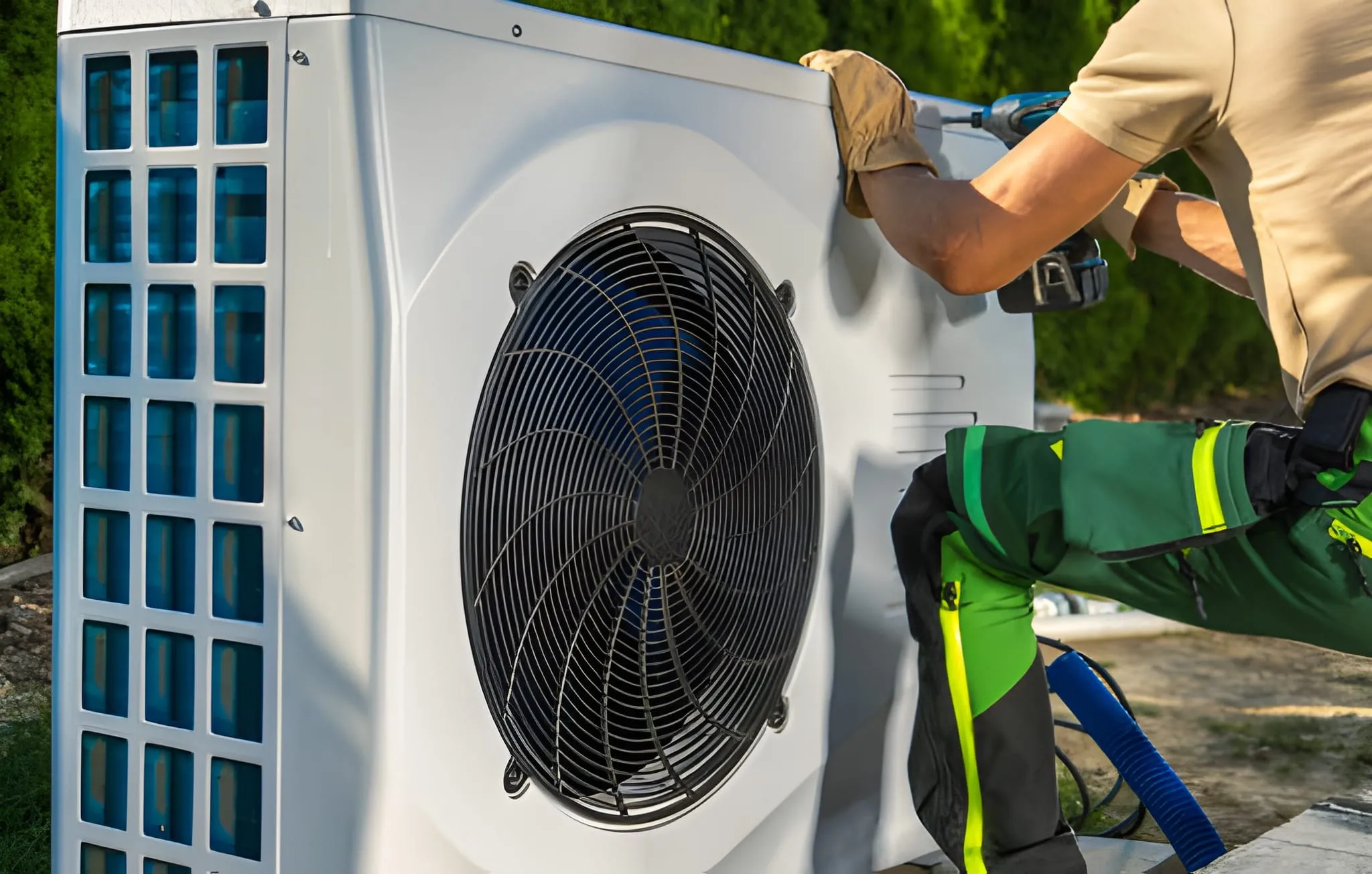
Heat Pump Installation in Parkland
Heat pump installation in Parkland transforms how your home heats and cools by delivering efficient, year-round comfort while reducing energy costs and carbon footprint. At Green Head Heating, we focus on delivering a complete, code-compliant installation process tailored to Parkland homes—whether you are replacing an aging system, retrofitting existing ductwork, or choosing a ductless Mitsubishi solution for targeted comfort. This page walks through the full installation journey: initial consultation and load calculations, equipment selection, site preparation, electrical and refrigerant work, permitting and safety checks, warranty and financing considerations, and post-installation testing and commissioning. The goal is to give you clear, expert-level information to help you make an informed decision at the final stage of the buying funnel.
Why a heat pump makes sense for Parkland homesParkland’s climate tends to produce warm, humid summers and generally mild winters with occasional cooler spells. That seasonal pattern makes heat pumps particularly well suited because they provide efficient cooling in the hottest months and reliable heating when temperatures dip. Modern heat pumps, especially inverter-driven models like many Mitsubishi ductless systems, offer precise temperature control, strong dehumidification during summer, and better energy performance than many legacy electric resistance or aging combustion systems. For Parkland homeowners concerned about rising energy bills, environmental impact, or indoor comfort issues such as uneven temperatures or high humidity, a professionally engineered heat pump installation can be a cost-effective, long-term solution.
Common heat pump installation types and issues in Parkland
- Split system air-source heat pumps: Conventional option for homes with existing ductwork. Common issues include undersized equipment, poorly sealed ducts, and lack of adequate airflow.
- Ductless mini-split systems (Mitsubishi and others): Ideal for homes without ducts, room additions, or homes needing zoned climate control. Common issues are improper line set routing and undersized indoor units.
- Ducted mini-splits: Hybrid approach that uses compact ductwork to serve multiple rooms. Challenges include limited space for ducts and routing in older Parkland homes.
- Heat pump replacements: Upgrading from older heat pumps or switching from fossil fuel heating to heat pumps. Typical issues include electrical service upgrades and the need for new thermostatic controls.
- Load mismatch and improper sizing: The most common cause of poor performance and short cycling is equipment that is not sized based on an accurate load calculation for Parkland’s solar gains and humidity.
Initial consultation and home evaluationEvery successful installation begins with a thorough consultation. Green Head Heating starts by assessing your home’s specific needs and site conditions in Parkland:
- Occupant comfort goals: How you use each space, desired temperatures, and tolerance for humidity.
- Existing system assessment: Review of current heating and cooling equipment, ductwork condition, electrical service, and thermostat compatibility.
- Building envelope condition: Insulation levels, window types and orientation, air leakage, and shading—all of which influence heat gain and loss in Parkland’s climate.
- Load calculation scheduling: We schedule a Manual J load calculation, which is the industry standard for accurately sizing heating and cooling equipment. This calculation considers local design temperatures appropriate for Parkland and factors such as window area, insulation, and occupancy.
Load calculations and why they matterManual J load calculations are not optional if you want a system that performs efficiently. An accurate load calculation prevents:
- Oversizing: Leads to short-cycling, higher energy use, humidity problems, and shortened equipment life.
- Undersizing: Causes inadequate comfort during peak summer or rare cold snaps in Parkland.
- Poor humidity control: Especially important in Parkland’s humid summers; the right capacity and controls are required to dehumidify effectively.Green Head Heating uses load calculations to determine the optimal capacity and zoning strategy. For ductless Mitsubishi systems, we match indoor units to room load profiles so each area receives the right capacity for comfort without waste.
Equipment selection: matching technology to your homeEquipment choice depends on load results, ductwork, space, noise sensitivity, and aesthetic preferences. Options commonly recommended in Parkland include:
- High-efficiency air-source heat pumps: Great for whole-house replacement when ductwork is present. Look for models with high SEER (cooling) and HSPF or Heating Seasonal Performance Factor for heating efficiency.
- Ductless mini-split systems (Mitsubishi): Excellent for homes without ducts, multi-zone control, or areas needing retrofit solutions. Mitsubishi offers reliable inverter-driven technology, quiet indoor units, and efficient dehumidification—advantages in Parkland’s humid climate.
- Hybrid or dual-fuel systems: Use a heat pump for most conditions and a backup furnace for extreme cold. This is more relevant in regions with severe winters but can still be beneficial for homes that once relied on combustion systems.
- Geothermal heat pumps: Highly efficient but require more site work and space; typically chosen for new construction or larger property footprints.
When choosing the right equipment, Green Head Heating considers:
- Refrigerant type and availability
- Compressor technology (inverter-driven compressors offer better part-load efficiency)
- Matching indoor unit airflow and capacity to room-specific loads
- Noise ratings for indoor and outdoor units
- Manufacturer warranties and local serviceability
Ductwork evaluation and modificationsFor ducted installations, ductwork is often the limiting factor in achieving efficient operation:
- Duct sealing: Many Parkland homes have ducts that leak conditioned air into attics or crawlspaces, reducing system efficiency and comfort. Sealing and insulating ducts can dramatically improve performance.
- Duct sizing and balancing: Undersized ducts cause restricted airflow and pressure imbalances. We evaluate and modify ducts as needed to match the new heat pump’s airflow.
- Zoned dampers and return placement: Proper zoning increases comfort and efficiency, especially in homes with varying occupancy patterns.
Site preparation and mechanical planningSite preparation sets the foundation for a smooth installation:
- Condenser placement: We consider noise, clearance requirements, airflow obstruction, and flood risk in Parkland neighborhoods prone to heavy rains. Elevated bases or anti-vibration pads can prevent water intrusion and reduce noise transfer.
- Indoor unit placement: For ductless Mitsubishi indoor units, we evaluate wall structure, aesthetic preferences, and optimal airflow patterns to avoid cold drafts and ensure even distribution.
- Line set and conduit routing: Proper planning reduces the chance of future leaks, simplifies maintenance access, and maintains the home’s exterior appearance.
- Electrical panel capacity: Many heat pump installs require a dedicated breaker and potentially a service upgrade if the existing panel lacks capacity.
Electrical work and refrigerant handlingHeat pump installations require coordinated electrical and refrigerant work performed by certified technicians:
- Electrical upgrades: Installation includes wiring the outdoor unit, indoor units, and connecting thermostatic controls. If an electrical service upgrade is necessary, Green Head Heating outlines the requirements and coordinates with licensed electricians as needed.
- Refrigerant lines and brazing: Proper brazing techniques, leak testing, and pressure testing are essential. Refrigerant handling follows EPA and local regulations to ensure safety and compliance.
- Controls and thermostats: Modern heat pumps often use smart controls or manufacturer-specific thermostats for zoning and efficiency. We commission controls to ensure correct communication and settings.
Permitting, inspections, and safety checksPermits and inspections are integral to a compliant installation and protect your investment:
- Local permits: Green Head Heating prepares and submits required permits for Parkland jurisdictions, ensuring installations meet building and electrical codes.
- Inspections: We coordinate municipal inspections and address any items flagged by inspectors.
- Safety checks: Post-installation safety checks include verifying proper wiring, refrigerant charge, refrigerant line insulation, combustion safety (if replacing or working near fuel-fired equipment), and ensuring clearances meet manufacturer specifications.
Commissioning and post-installation testingCommissioning is where performance assurance happens. Green Head Heating performs a comprehensive testing and commissioning checklist:
- Refrigerant charge verification: Using superheat and subcooling methods to confirm correct refrigerant levels.
- Airflow and static pressure checks: Ensuring the system delivers the designed CFM for each zone.
- Electrical verification: Confirming voltage, amp draws, and correct breaker sizing.
- Thermostat calibration and control logic: Verifying setpoint response, staging, and zoning sequences.
- Noise and vibration assessment: Checking indoor and outdoor units for abnormal sounds or vibration that could affect comfort.
- Humidity and temperature testing: Assessing dehumidification performance lines up with design expectations for Parkland conditions.These steps confirm your system operates as intended and give homeowners confidence in the installation quality.
Warranty, documentation, and financing optionsUnderstanding warranties and financing makes the final decision easier:
- Manufacturer warranties: Most manufacturers, including Mitsubishi, offer limited equipment warranties that cover compressors and major components for a specified period. Make sure to register equipment per manufacturer instructions to maintain coverage.
- Workmanship warranty: Green Head Heating documents the installation warranty covering labor and installation-related issues. This typically runs separately from manufacturer warranties.
- Extended warranties and parts coverage: Ask about extended parts warranties and what they include—compressors, control boards, and refrigerant circuits vary by plan.
- Financing options: Heat pump upgrades are often financed through HVAC financing programs, home equity financing, or energy efficiency loans. Financing can spread the investment over time, which may align with energy savings and improved comfort.
- Incentives and rebates: Depending on local programs and utility incentives in Parkland, certain high-efficiency heat pump installations may qualify for rebates. Factor these potential incentives into decision-making and documentation.
Efficiency, performance expectations, and monitoringRealistic expectations ensure satisfaction and peak performance:
- Seasonal performance: Efficiency ratings such as SEER and HSPF or COP values indicate expected performance across seasons. Mitsubishi ductless systems often perform well at part-load conditions typical in Parkland.
- Recovery times: A correctly sized system will bring your home to setpoint efficiently without prolonged run times or temperature swings.
- Monitoring and maintenance: Consider pairing your system with monitoring tools to detect performance trends. Regular maintenance—filter changes, coil cleaning, and annual checks—preserves efficiency and extends equipment life.
Maintenance best practices for Parkland climatesRoutine maintenance keeps your system running reliably in Parkland’s climate:
- Filters: Replace or clean filters monthly to maintain airflow and indoor air quality, especially during late summer pollen peaks.
- Outdoor unit clearance: Keep vegetation trimmed and clear debris to preserve airflow and prevent corrosion, particularly important in humid coastal areas.
- Coil cleaning: Schedule annual coil inspections to remove salt deposits or dirt that reduce heat exchange efficiency.
- Drainage and condensate: Ensure condensate lines are clear and sloped correctly to prevent water intrusion and mold growth in humid conditions.
- Annual professional tune-up: A preventive maintenance visit includes refrigerant checks, electrical testing, and validation of controls to catch issues before they affect comfort.
Common installation pitfalls and how a professional mitigates them
- Undersized or oversized units: Professionals use load calculations to prevent mismatch.
- Improper refrigerant charge: Certified technicians use the right tools and methods for accurate charging.
- Poor airflow or ductwork issues: Technicians test static pressure and adjust ductwork to match manufacturer specifications.
- Inadequate electrical service: Professionals evaluate service capacity before installation and plan upgrades if needed.
- Lack of permitting or improper installation practices: Licensed contractors handle permits, inspections, and follow code requirements to avoid complications.
Why choose a professional installer like Green Head HeatingA quality installation is as important as equipment choice. Green Head Heating brings experience in sizing, manufacturer training (including Mitsubishi systems), and local knowledge of Parkland building characteristics. Our approach focuses on:
- Accurate load calculations tailored to Parkland climate and home orientation
- Proper equipment selection with attention to warranty, serviceability, and noise control
- Meticulous site preparation, refrigerant handling, and electrical work to code
- Comprehensive testing, commissioning, and documented installation recordsThese steps reduce the chance of performance issues, provide documented proof for warranties, and ensure long-term system reliability.
Benefits of timely heat pump replacement or new installation
- Improved comfort: Even temperatures and better humidity control throughout the year.
- Lower operating costs: Modern heat pumps deliver higher efficiency and lower energy consumption compared to older systems.
- Environmental impact: Reduced greenhouse gas emissions by moving away from fossil fuel heating or inefficient electric resistance heat.
- Increased home value: Energy-efficient HVAC systems are attractive to buyers and can add market appeal.
- Smart control integration: Modern systems offer zoning and smart thermostats for better control and energy savings.
FAQs
Q: How long does a typical heat pump installation take in a Parkland home?
A: Most standard installations, including a single outdoor unit and one or more indoor units, take one to three days depending on the system complexity, ductwork modifications, permitting status, and any electrical upgrades needed.
Q: Will a heat pump handle Parkland’s humid summers?
A: Yes. Properly sized and commissioned heat pumps, especially inverter-driven units like many Mitsubishi models, provide effective cooling and dehumidification. Correct airflow and system control are essential for optimal humidity management.
Q: Do I need to replace my ducts when installing a heat pump?
A: Not always. If your ducts are in good condition and properly sized, they can be reused. However, many Parkland homes benefit from duct sealing, insulation upgrades, or duct resizing to ensure efficient operation with a new heat pump.
Q: Are Mitsubishi ductless systems noisy?
A: No. Mitsubishi indoor units are designed to operate quietly, and many models have ultra-low sound settings. Proper placement and installation further reduce perceived noise.
Q: What permits are required for a heat pump installation in Parkland?
A: Permitting requirements vary by jurisdiction. Typical permits include mechanical and electrical permits. Green Head Heating coordinates permit submissions and inspections to ensure compliance with local codes.
Q: How often should I schedule maintenance for my heat pump in Parkland?
A: Annual professional maintenance is recommended. In Parkland’s humid climate, additional checks during high-use seasons may help maintain dehumidification and efficiency.
Q: Can I finance a heat pump installation?
A: Yes. There are several financing options available, such as HVAC financing plans, personal loans, and potential energy efficiency programs. Documentation of expected energy savings and warranties can help evaluate financing choices.
.svg)