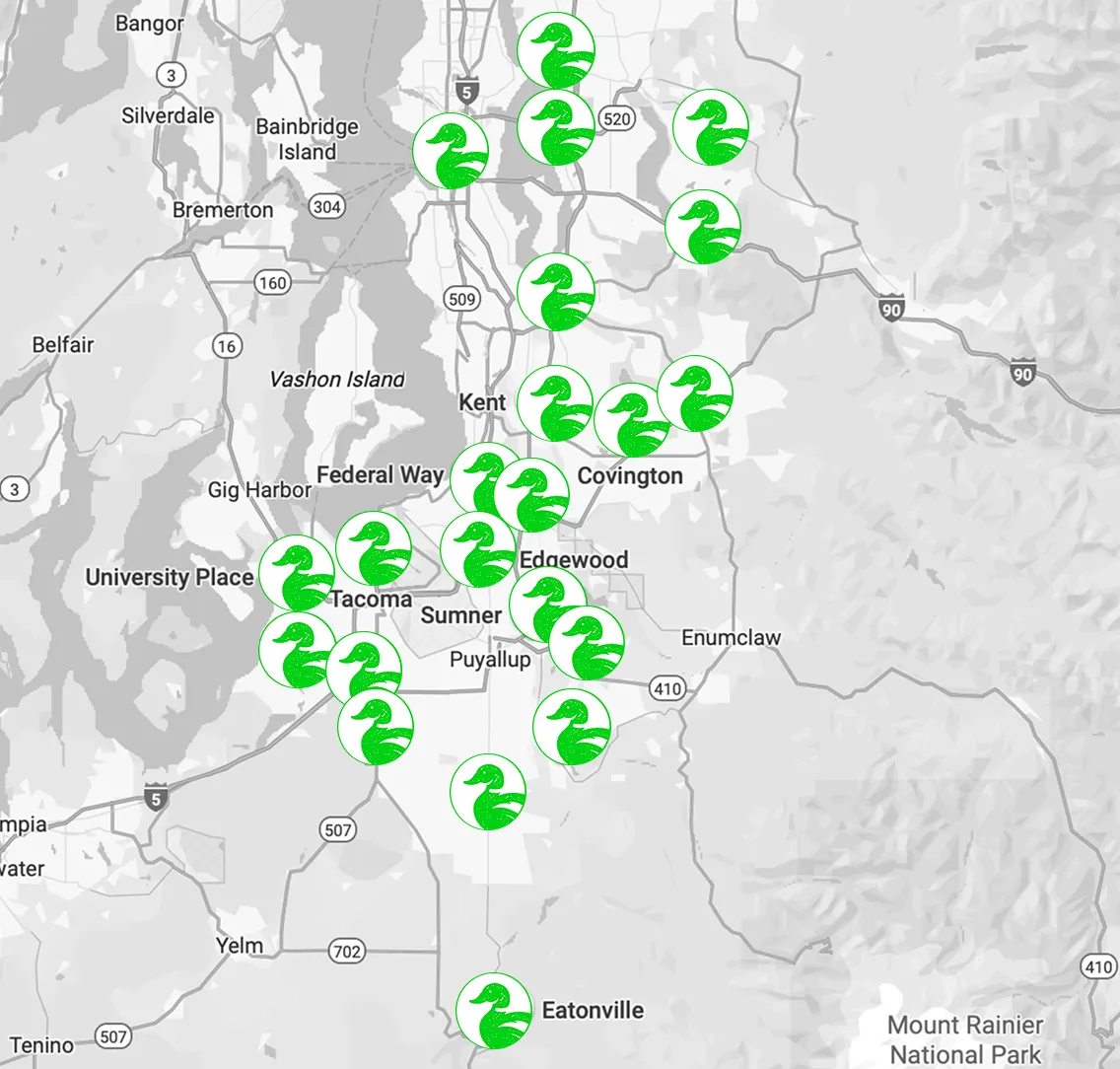
Heat Pump Maintenance in Covington
Keeping your heat pump tuned and efficient is one of the most cost effective ways to protect comfort and control energy costs in Covington homes. Green Head Heating provides comprehensive heat pump maintenance in Covington designed to prevent breakdowns, improve system efficiency, and extend equipment life. Whether your system is heating through a cool snap or running flat out during humid summer days, routine care helps avoid expensive repairs and keeps your indoor environment stable year round.
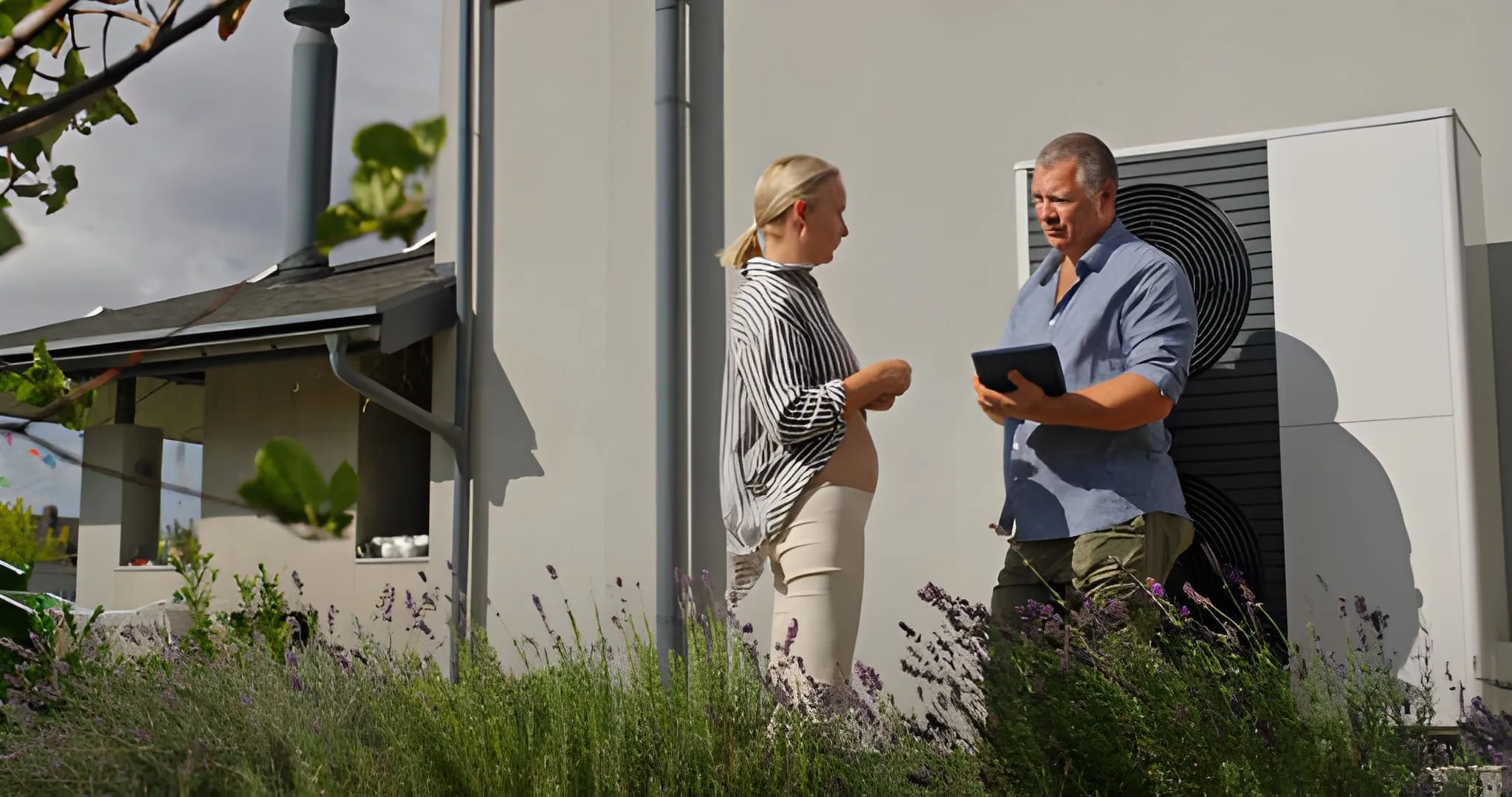
Heat Pump Maintenance in Covington
Keeping your heat pump tuned and efficient is one of the most cost effective ways to protect comfort and control energy costs in Covington homes. Green Head Heating provides comprehensive heat pump maintenance in Covington designed to prevent breakdowns, improve system efficiency, and extend equipment life. Whether your system is heating through a cool snap or running flat out during humid summer days, routine care helps avoid expensive repairs and keeps your indoor environment stable year round.
Why routine heat pump maintenance matters in Covington
Covington homeowners face a range of seasonal stresses on HVAC equipment. Summers tend to bring high humidity and sustained warm temperatures which force heat pumps to run longer and work harder to dehumidify. Winters can bring cool nights and occasional cold snaps that change load patterns. Those seasonal swings, combined with airborne pollen, yard debris, and dust common in suburban neighborhoods, create ideal conditions for coils and filters to become dirty and for refrigerant or electrical issues to go unnoticed.
Regular maintenance does more than prevent sudden failures. Well maintained systems use less energy, deliver more consistent comfort, and retain their rated capacity longer. For homeowners making decisions about repair versus replacement, a clear maintenance history also helps determine whether continued investment in an older unit is worthwhile.
Common heat pump issues in Covington homes
- Reduced cooling or heating capacity due to dirty coils or low refrigerant
- High energy bills caused by restricted airflow, failing components, or poor thermostat calibration
- Frequent cycling or short cycles often linked to improper refrigerant charge, clogged filters, or oversized thermostats
- Ice buildup on outdoor units during colder months from refrigerant imbalance or poor airflow
- Noisy operation from worn bearings, loose panels, or failing compressors
- Intermittent operation or system failures caused by corroded electrical connections, failing capacitors, or control board problems
- Poor indoor air quality resulting from dirty filters, mold on evaporator coils, or inadequate airflow
Understanding these issues helps you make informed decisions when choosing maintenance options or prioritizing repairs.
What a professional seasonal tune-up includes
Green Head Heating structures heat pump maintenance into a thorough seasonal tune-up procedure so nothing important is overlooked. A typical maintenance visit includes:
- Visual inspection of the entire system including indoor air handler, outdoor condenser, and refrigerant lines
- Refrigerant level checks to verify proper charge and to detect slow leaks before they cause performance loss
- Evaporator and condenser coil cleaning to restore heat transfer efficiency and reduce strain on the compressor
- Filter inspection and replacement with recommended filters matched to your system and indoor air quality needs
- Electrical connection inspection and tightening to prevent failures from loose or corroded wiring
- Capacitor and contactor tests to ensure reliable starting and operation
- Lubrication of moving parts such as fan motors and bearings where applicable to reduce friction and noise
- Thermostat calibration and control verification to ensure the system responds accurately to setpoints and mode changes
- Blower wheel and motor cleaning to restore airflow and deliver even temperatures across your home
- Drain line and condensate pan inspection to prevent clogs, overflow, and potential water damage or mold growth
- Diagnostic testing for efficiency including airflow measurements and electrical load checks to compare performance against manufacturer standards
- System performance report outlining findings, recommended repairs, and estimated effects on efficiency and comfort
Each of these items is performed with industry standard testing equipment and documented so you have a clear record of your system condition.
How refrigerant levels and coils affect performance
Refrigerant is the working fluid that allows your heat pump to move heat between indoors and outdoors. Too little refrigerant means the system cannot transfer heat efficiently, which causes longer run times, higher energy consumption, and risk of compressor damage. Leaks are often slow and may only be detectable through pressure tests or careful temperature differentials measured during a tune-up.
Coils that are dirty or blocked by debris lose their ability to transfer heat. A fouled coil can increase energy use by 10 percent or more and reduce comfort because the system struggles to meet set temperatures. Routine coil cleaning restores efficiency and prevents ice accumulation in colder weather when evaporator coils drop below freezing.
Electrical checks and component inspection
Many heat pump failures originate in the electrical system. Loose connections, weak capacitors, and failing contactors lead to intermittent operation or hard starting. During maintenance, technicians inspect wiring, test capacitors and relays, and measure current draw to identify components operating outside of safe limits. Early replacement of a weak capacitor or tightening a connection costs far less than replacing a compressor or control board.
Diagnostics and efficiency testing explained
A thorough tune-up includes diagnostic testing that goes beyond simple visual checks. Technicians measure:
- Temperature splits across the energy exchanger
- Superheat and subcooling values to evaluate refrigerant charge accuracy
- Airflow in cubic feet per minute or relative static pressure to identify duct or blower issues
- Electrical load and voltage to detect imbalances that shorten component life
- Run times and cycle behavior to spot short cycling or thermostat interaction issues
These tests quantify system performance and allow technicians to recommend targeted repairs to restore efficiency. Quantified diagnostics support better decision making on whether repairs will deliver meaningful savings or if replacement is a better long term solution.
Membership and maintenance plans with priority service
Green Head Heating offers structured maintenance plans tailored for Covington homeowners who want predictable upkeep and priority response when issues arise. Maintenance plans typically include:
- Scheduled seasonal tune-ups timed for optimal pre-season care in spring and fall to prepare your system for summer cooling and winter heating
- Discounted diagnostic rates and a reduction on approved repair labor and parts
- Priority scheduling for plan members so service calls are handled ahead of non-members during high demand periods
- Record keeping of all maintenance visits and diagnostic findings to preserve your equipment history and support warranty compliance
- Flexible plan tiers to match needs from basic filter and inspection plans to full coverage that includes part replacement for common wear items
- Transferable plan options for homeowners who move, which can be an attractive selling point and maintain system value
Membership plans are designed to make routine maintenance convenient and ensure your heat pump receives the protective care that keeps it running efficiently. Priority service included with many plans reduces downtime during peak seasons when repair demand is highest in Covington.
How maintenance extends equipment life and lowers energy costs
Routine maintenance directly reduces operating costs and extends the life of a heat pump in several measurable ways:
- Restored airflow and clean coils reduce energy consumption by allowing the system to reach setpoints with shorter run times
- Proper refrigerant charge prevents compressor overheating and premature failure, which is one of the most costly repairs
- Tight electrical connections and properly functioning starting components reduce wear on motors and contactors
- Lubricated moving parts run cooler and last longer, avoiding noise and premature bearing failure
- Early detection of minor issues stops them from becoming major repairs, reducing annual repair expenses and unexpected service calls
For many homeowners, well maintained heat pumps see 10 to 25 percent improved operational efficiency compared to neglected systems. That efficiency gain translates into lower monthly energy bills and less environmental impact.
Seasonal maintenance checklist for Covington climate
- Spring (pre-cooling season): Clean condenser and evaporator coils, test refrigerant, replace filters, inspect ductwork for leaks, verify thermostat cooling mode and setpoints.
- Summer (peak cooling): Monitor airflow and humidity control, inspect outdoor unit clearance for leaves or landscaping growth, check for refrigerant leaks if performance drops.
- Fall (pre-heating season): Clean coils, lubricate motors, verify reversing valve operation and heat mode function, replace filters, test defrost cycle.
- Winter (heating months): Check system run times during cold evenings, inspect for icing on the outdoor unit, ensure proper defrost operation and verify backup heating components if present.
Maintaining this rhythm keeps your system prepared for Covington weather swings and reduces the likelihood of emergency repairs.
Small maintenance steps homeowners can do between professional visits
- Replace or clean filters monthly during heavy-use seasons to maintain airflow and indoor air quality
- Keep outdoor unit free of debris, grass clippings, and shrubs within two to three feet to ensure proper airflow
- Ensure vents are not blocked by furniture or curtains to maintain balanced airflow
- Note any unusual noises, frequent cycling, or sudden changes in energy bills and record times and operating modes to help technicians diagnose quickly
- Test thermostat schedules and batteries seasonally to avoid control errors
These simple actions reduce strain on your heat pump and give technicians a solid baseline when performing professional diagnostics.
Diagnosing common symptoms and what they usually mean
- System running but not reaching setpoint: Possible dirty coils, low refrigerant, or compromised airflow.
- Higher than normal energy bills without usage changes: Likely reduced efficiency from dirty components, failing parts, or improper refrigerant charge.
- Short cycling (on/off rapidly): Could indicate oversized thermostat settings, improper refrigerant, or failing control components.
- Outdoor unit freezing: Often refrigerant imbalance or restricted airflow; needs immediate attention to avoid compressor damage.
- Loud buzzing or humming: Electrical issues or failing motors and capacitors need inspection to prevent complete failure.
Accurate diagnosis during a maintenance visit allows for focused repair recommendations and prevents unnecessary part replacements.
Warranty preservation and replacement considerations
Many manufacturer warranties require documented routine maintenance to remain valid. Regular maintenance visits create the service records needed if a major component fails and a warranty claim is necessary. When evaluating repair versus replacement, documented maintenance history also helps determine whether poor performance is caused by neglect or by natural age-related degradation of the system.
If a heat pump is older and requires frequent repairs, maintenance documentation supports a transparent life-cycle analysis. In some cases, improving maintenance can extend useful life enough to delay replacement, while in others, documented recurring failures make a strong business case for replacement.
Safety and indoor air quality benefits
Beyond comfort and efficiency, regular maintenance protects indoor air quality and safety. Clean filters and coils reduce allergens, dust, and mold growth. Proper electrical inspections reduce the risk of fire or shock hazards caused by arcing or corroded connections. Drain line checks prevent water damage and mold contamination from clogged condensate systems.
Ongoing benefits and maintenance advice
Consistent care of your heat pump yields cumulative benefits: lower utility expenses, fewer emergency repairs, longer equipment life, and a more comfortable, healthier home environment. Green Head Heating emphasizes proactive, documented maintenance so Covington homeowners can make clear, evidence-based decisions about repair, replacement, or upgrading to higher efficiency equipment when the time is right. A proactive maintenance approach reduces total cost of ownership and preserves home comfort through Covington seasonal changes.
FAQs
Q: How often should I schedule heat pump maintenance in Covington?
A: Twice yearly service is recommended: a pre-cooling tune-up in spring and a pre-heating tune-up in fall. These visits prepare your system for peak summer cooling and winter heating loads and catch seasonal wear early.
Q: What are the signs that I need a maintenance visit sooner?
A: Call for service if you notice a sudden rise in energy bills, reduced comfort, frequent short cycling, unusual noises, ice buildup on the outdoor unit, or water leaking near the indoor unit.
Q: Will maintenance reduce my energy bills?
A: Yes. Cleaning coils, replacing filters, verifying refrigerant charge, and ensuring proper airflow all restore system efficiency, which typically lowers energy consumption and monthly bills.
Q: Does maintenance include refrigerant checks and leak detection?
A: Yes. Technicians check refrigerant levels and evaluate system pressures, and if a leak is suspected they perform diagnostic tests to locate and recommend repair of leaks.
.svg)