Heat Pump Tune-Up in Auburn
Having a heat pump that runs reliably and efficiently is essential for Auburn homes facing hot, humid summers and sudden temperature swings in shoulder seasons. A focused Heat Pump Tune-Up in Auburn from Green Head Heating targets the specific wear patterns and environmental stresses common to this region, helping you maintain comfort, reduce utility bills, and lower the risk of mid-season breakdowns. This page explains exactly what a professional tune-up includes, why each task matters for local homes, how often you should schedule service, and how tune-ups fit into a broader maintenance plan.
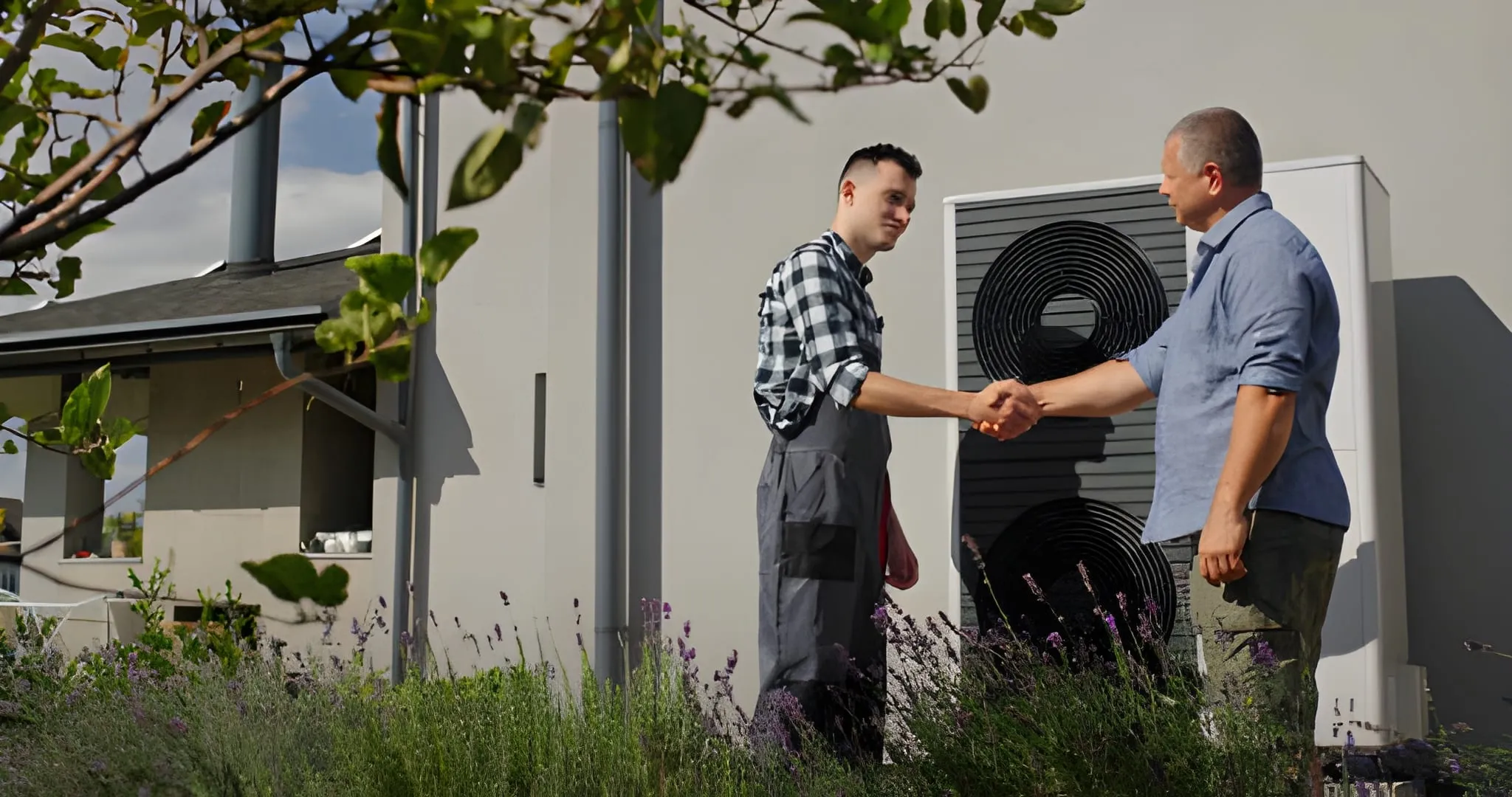
Heat Pump Tune-Up in Auburn
Having a heat pump that runs reliably and efficiently is essential for Auburn homes facing hot, humid summers and sudden temperature swings in shoulder seasons. A focused Heat Pump Tune-Up in Auburn from Green Head Heating targets the specific wear patterns and environmental stresses common to this region, helping you maintain comfort, reduce utility bills, and lower the risk of mid-season breakdowns. This page explains exactly what a professional tune-up includes, why each task matters for local homes, how often you should schedule service, and how tune-ups fit into a broader maintenance plan.
Why a heat pump tune-up matters in Auburn
Auburn's climate places unique demands on heat pumps. High summertime humidity and frequent pollen contribute to coil fouling and restricted airflow. Systems that work hard through long cooling seasons are more likely to develop refrigerant leaks, clogged drains, and premature electrical wear. A tune-up is not a quick inspection; it is a targeted preventative service that addresses the root causes of inefficiency and failure common to the region. Regular tune-ups preserve capacity when you need it most, improve indoor air quality by ensuring clean airflow, and protect components from accelerated corrosion and fatigue caused by humid conditions.
Common heat pump issues in Auburn homes
- Reduced cooling or heating capacity due to dirty coils or restricted airflow
- Short cycling caused by thermostat miscalibration or low refrigerant
- Higher-than-normal energy bills from inefficient operation
- Frequent defrost cycles or poor winter performance
- Frozen evaporator coils from airflow problems or low refrigerant
- Clogged condensate drains leading to water damage or secondary issues
- Electrical problems such as loose connections or failing contactors
- Worn or misaligned blower motors and belts that reduce airflow
- Thermostat inaccuracies causing uneven comfort and overwork
Recognizing these problems early through regular tune-ups prevents emergency repairs and extends the life of the heat pump.
Heat pump tune-up checklist — what Green Head Heating performs
A professional tune-up is a multi-point process. Green Head Heating follows a systematic checklist tailored for Auburn homes to ensure peak performance and reliability.
- System inspection and operational review
- Visual inspection of outdoor unit and indoor air handler for corrosion, debris, and insect nests
- Check cabinet seals, mounts, and vibration isolation
- Inspect refrigerant lines for signs of wear or leaks
- Refrigerant and pressure checks
- Measure operating pressures and temperatures
- Check superheat and subcooling to confirm correct refrigerant charge
- Inspect for visible oil trails or indications of a leak
- Coil cleaning (evaporator and condenser)
- Remove dirt, pollen, and biological buildup from coils using approved cleaning agents and rinsing
- Straighten bent fins where necessary to restore airflow
- Preventive coil care to limit microbial growth in humid seasons
- Blower and air handler cleaning
- Clean blower wheel and motor housing to remove dust and debris
- Check blower wheel balance and motor amperage draw
- Inspect belt condition and alignment where applicable
- Filter inspection and replacement (or recommendation)
- Confirm filter type and MERV rating is appropriate for system and indoor air quality needs
- Replace disposable filters or recommend schedule for reusable filters
- Electrical system tightening and safety checks
- Tighten all accessible electrical connections to reduce heat and arcing risk
- Test contactors, relays, capacitors, and capacitors capacitance where applicable
- Measure line voltage and motor amperage to compare to manufacturer specifications
- Thermostat calibration and control verification
- Verify thermostat calibration and placement for accurate sensing
- Inspect wiring, batteries, and programmable settings
- Confirm proper response to setpoint changes and mode switching
- Drainage and condensate line service
- Inspect and clear condensate pan and drain line
- Treat lines to reduce biofilm and clogs that are common in humid climates
- Defrost and reversing valve function (for heat pump heating mode)
- Verify correct defrost cycle timing and refrigerant flow direction
- Ensure reversing valve shifts properly between heating and cooling
- Performance testing and system tune
- Measure airflow, temperature split, and run times
- Record baseline performance numbers for future comparisons
- Make recommended adjustments to optimize efficiency and comfort
Each item is documented so homeowners have a clear record of system condition and service history.
Diagnostic tests and what they reveal
A tune-up includes diagnostic tests that go beyond surface checks. Here are the common measurements and what they tell us.
- Refrigerant pressure and temperature readings
- Confirm proper charge. Low refrigerant often leads to frozen coils or reduced capacity.
- Superheat and subcooling calculations
- Reveal if the system is operating within the design window and help identify subtle charge issues.
- Airflow measurements (static pressure or CFM estimate)
- Detect restrictions or blower inefficiency that reduce capacity and increase energy use.
- Voltage and amperage readings at motors and compressors
- Identify motors drawing excessive current or suffering from voltage imbalance that can shorten life.
- Temperature split across evaporator coils
- A healthy system shows a defined temperature drop that signifies correct airflow and refrigerant performance.
- Run-time analysis and cycle assessment
- Long or short cycles reveal problems with thermostat, charge, or compressor health.
- Visual leak and corrosion inspection
- Early detection of refrigerant leaks or rusting components prevents more costly failures.
These diagnostics are used to produce a clear, actionable service report and to prioritize necessary repairs or replacements.
Benefits you can expect from a professional tune-up
A focused tune-up delivers measurable and practical benefits for Auburn homes.
- Peak performance when it matters most
- Systems deliver designed capacity for cooling and heating, keeping indoor temperatures stable.
- Lower utility bills
- Improved efficiency often reduces energy use. Well tuned systems typically run less frequently and more efficiently, lowering seasonal bills.
- Reduced risk of breakdowns
- Early identification of worn components and refrigerant issues prevents mid-season failures.
- Longer equipment life
- Reducing electrical stress and ensuring proper lubrication and refrigerant charge extends the serviceable years of key components.
- Improved indoor air quality
- Clean coils, filters, and drain lines reduce airborne particulates and microbial growth that thrive in humid climates.
- Better comfort and consistency
- Proper airflow and thermostat calibration eliminate hot and cold spots and reduce humidity-related discomfort.
- Documentation for warranty compliance
- Many manufacturers require regular maintenance for warranty coverage; detailed tune-up records satisfy these requirements.
These outcomes are especially relevant in Auburn, where seasonal humidity and pollen can accelerate the need for coil cleaning and airflow maintenance.
Recommended frequency and seasonal timing for Auburn homes
- Annual minimum
- At least one professional tune-up per year is recommended for every heat pump to maintain reliability and warranty obligations.
- Preferable biannual schedule
- For Auburn homes with heavy seasonal use, a tune-up in spring (pre-cooling season) and another in fall (pre-heating season) ensures both cooling and heating performance are optimized.
- Timing considerations by season
- Spring tune-up focuses on condenser cleanliness, refrigerant checks, and ensuring the system is ready for hot, humid months.
- Fall tune-up emphasizes reversing valve checks, defrost operation, and heater-mode performance verification.
- New systems and older systems
- Newer systems still benefit from a first-year check after the initial operating season.
- Older systems or units showing signs of wear should remain on a tighter inspection interval.
Following a seasonal schedule keeps Auburn homes comfortable year round and reduces the likelihood of emergency repairs during peak demand.
How tune-ups integrate with maintenance plans
A tune-up is a cornerstone of an effective home comfort maintenance plan. Here is how tune-ups typically integrate into a structured maintenance approach.
- Scheduled preventative visits
- Predictable spring and fall visits are included in a maintenance calendar to minimize service gaps.
- Priority documentation and history tracking
- Each tune-up creates a historical log of readings and repairs, allowing technicians to track gradual changes and intervene early.
- Component life cycle management
- Maintenance plans use tune-up findings to forecast component replacement timing, enabling budget planning before failures occur.
- Consistent performance standards
- Using the same professional team and procedures ensures consistent tune-up quality and comparability across seasons.
- Warranty and compliance support
- Routine tune-ups keep maintenance records current, which is often necessary for honor manufacturer warranties or service agreements.
Carefully managed tune-ups within a maintenance plan are the most cost effective way to manage long-term ownership costs and comfort.
What to expect during a tune-up appointment
- Arrival and initial system review
- Technicians inspect both indoor and outdoor units and review the system history if available.
- Safety and visual checks
- All obvious safety or imminent-failure conditions are identified at the start.
- Routine tasks performed from checklist
- Coil and blower cleaning, filter service, refrigerant checks, and electrical tightening are completed.
- Diagnostics and documentation
- Measured results are recorded and explained in plain terms for homeowners.
- Recommendations only when needed
- If repairs or parts are recommended, they are prioritized based on safety, efficiency impact, and urgency.
Technicians focus on leaving the system in reliable working order, with clear notes about any recommended follow-up.
Signs you need a tune-up now
- Your system is running longer than it used to to reach the setpoint
- You notice uneven cooling or heating between rooms
- Energy bills have risen without a change in thermostat behavior
- The unit makes unusual noises such as rattling, humming, or squealing
- You see ice on coils or consistent frost on outdoor components
- Frequent short cycles or the system is turning on and off rapidly
- Water or moisture near the indoor unit or clogged condensate lines
When you observe these signs in an Auburn home, prompt maintenance can avoid larger repairs and restore comfort quickly.
Long-term benefits and maintenance tips for Auburn homeowners
Regular tune-ups protect your investment and improve home comfort in the long term. In Auburn, pay special attention to the following practical tips:
- Change or clean filters on a regular schedule in addition to professional tune-ups to prevent airflow restrictions during pollen seasons.
- Keep outdoor condenser units clear of leaves, grass clippings, and stored items that reduce airflow and increase stress on the compressor.
- Use a programmable or smart thermostat configured for gradual setpoint changes to reduce cycling and electrical strain.
- Ensure adequate attic and duct insulation where appropriate to reduce system runtime and improve efficiency.
- Schedule at least one tune-up annually and consider two per year in humid years or for older systems.
Green Head Heating emphasizes preventive care because consistent maintenance is the most reliable way to avoid expensive repairs and maintain predictable energy bills.
Frequently asked questions
Q: How long does a typical heat pump tune-up take?
A: A focused tune-up usually takes between 60 and 90 minutes depending on system accessibility, size, and whether additional diagnostic follow-up is needed.
Q: How much will I save on my utility bills after a tune-up?
A: Savings vary by system condition and usage patterns, but many homeowners see improved efficiency that translates to lower energy use; industry experience often shows efficiency gains that can reduce seasonal energy consumption by several percentage points up to around 20 percent in systems that were significantly out of tune.
Q: Will a tune-up find refrigerant leaks?
A: Yes. Technicians perform pressure and temperature checks that identify signs of low refrigerant. Visible oil trails, unusual pressure readings, and performance symptoms help locate and verify potential leaks.
Q: Can a tune-up prevent breakdowns in extreme weather?
A: Regular tune-ups reduce the risk of failures by identifying worn electrical components, improper refrigerant charge, dirty coils, and airflow problems before they lead to a breakdown, especially during peak cooling or heating periods.
Q: Are tune-ups required to keep my manufacturer warranty valid?
A: Many manufacturers require routine maintenance records to support warranty claims. A written tune-up report documents that maintenance was performed, which can be necessary for warranty compliance.
Q: How often should I replace filters between tune-ups?
A: Filter replacement frequency depends on filter type and household factors such as pets and air quality. A typical guideline is every 1 to 3 months for disposable filters. Higher efficiency or thicker filters may last longer, but you should inspect them monthly during heavy use seasons.
Q: Do tune-ups include cleaning the ductwork?
A: Standard tune-ups do not typically include full duct cleaning, but technicians will inspect accessible ducts for leaks, excessive dust, and disconnections and can recommend duct cleaning if warranted.
Q: Can tune-ups extend the life of my heat pump?
A: Yes. Regular maintenance reduces electrical strain, prevents component overheating, maintains proper refrigerant levels, and reduces wear from dirt and debris, all of which contribute to longer equipment life.
Q: What should I do to prepare for a tune-up appointment?
A: Ensure the technician has clear access to indoor and outdoor units, clear away debris near the condenser, and note any recent performance issues for review. Keep documentation such as previous service records available if possible.
Q: Does a tune-up improve indoor air quality?
A: A tune-up addresses coil cleaning, filter condition, and condensate line health, which reduces microbial growth and dust circulation. While not a substitute for dedicated indoor air quality systems, tune-ups are an effective step in improving overall air cleanliness.
Green Head Heating performs thorough, documented heat pump tune-ups tailored to Auburn conditions, helping homeowners maintain efficiency, avoid emergency repairs, and get predictable comfort year round. Regular, professional tune-ups are a practical investment in long-term system performance, safety, and indoor air quality for homes facing Auburns seasonal humidity and pollen challenges.
.svg)