Heat Pump Tune-Up in Graham
A professional heat pump tune-up in Graham protects your comfort, reduces energy bills, and prevents inconvenient breakdowns when you need your system most. In Graham homes, seasonal humidity, temperature swings, and local pollen and dust can accelerate wear on heat pump components. Regular maintenance ensures your system runs efficiently year-round, delivering steady heating during cooler stretches and reliable cooling through humid summers. Green Head Heating provides thorough, expert tune-ups that follow manufacturer recommendations and focus on long-term reliability for Graham residences.
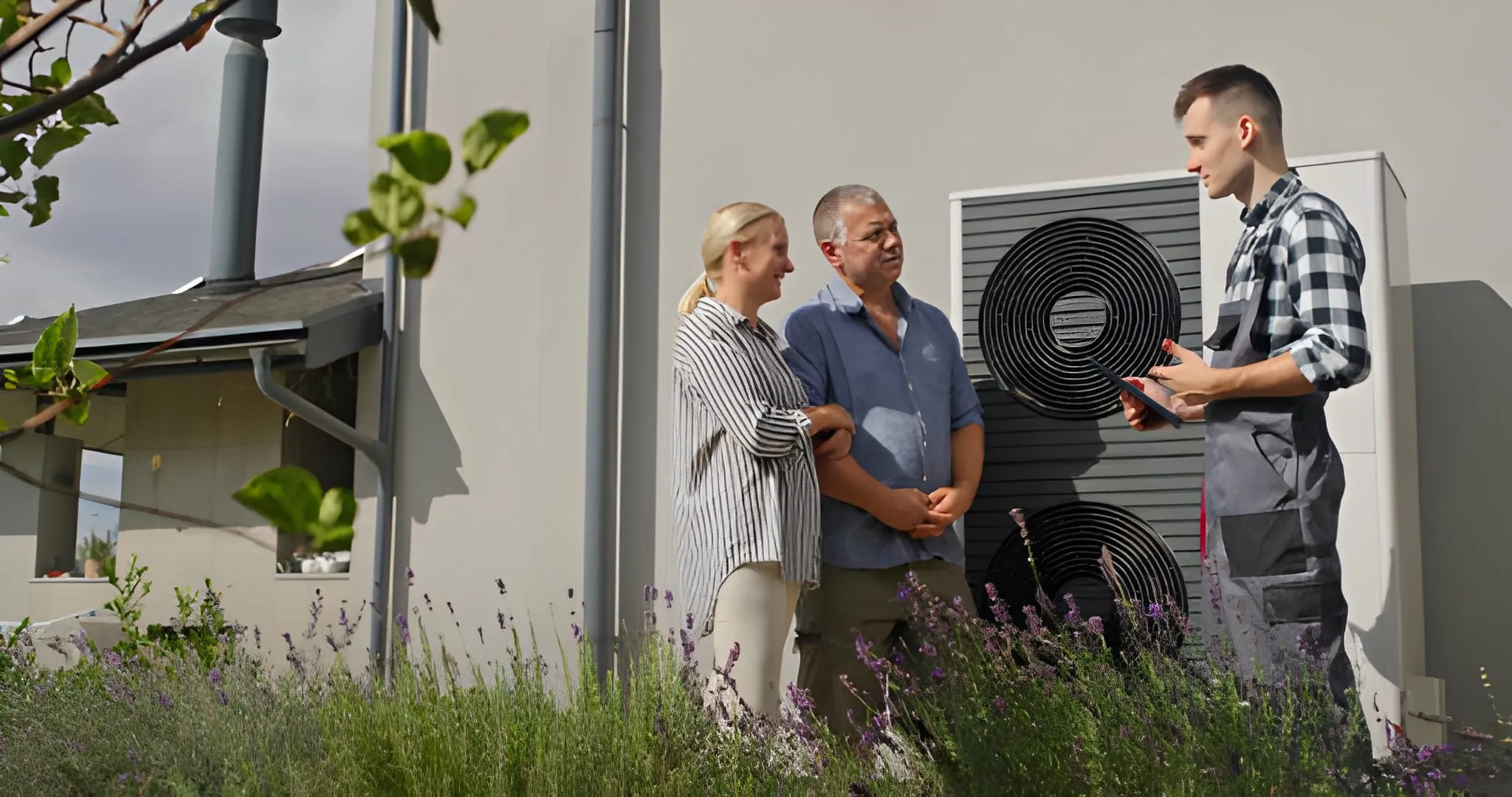
Heat Pump Tune-Up in Graham
A professional heat pump tune-up in Graham protects your comfort, reduces energy bills, and prevents inconvenient breakdowns when you need your system most. In Graham homes, seasonal humidity, temperature swings, and local pollen and dust can accelerate wear on heat pump components. Regular maintenance ensures your system runs efficiently year-round, delivering steady heating during cooler stretches and reliable cooling through humid summers. Green Head Heating provides thorough, expert tune-ups that follow manufacturer recommendations and focus on long-term reliability for Graham residences.
Why a tune-up matters now
- Unexpected failures are inconvenient and costly. Many heat pump issues start small and worsen over time. A scheduled tune-up addresses those small problems before they lead to system failure.
- Efficiency loss is cumulative. Dirt, loose connections, and low refrigerant reduce output and make compressors work harder, raising energy use and shortening equipment life.
- Warranty and resale value. Many warranties require documented maintenance. Regular tune-ups protect both your equipment and the value of your home.
Common heat pump problems in Graham homes
- Reduced capacity or longer run times: Often due to dirty coils, restricted airflow, or low refrigerant.
- Higher energy use: Caused by worn electrical components, poor lubrication, or clogged filters that force the system to run longer.
- Intermittent heating or cooling: Faulty thermostats, control board issues, or refrigerant imbalance are typical causes.
- Water or ice buildup: Clogged condensate drains, poor drainage around the outdoor unit, or airflow restrictions can cause water backup or ice on coils.
- Noisy operation: Loose panels, worn bearings, failing motors, or imbalanced fans create vibration and noise.
- Short cycling: Rapid on/off behavior can indicate airflow problems, electrical faults, or system control issues.
- Corrosion and environmental wear: In regions with high humidity or seasonal fertilization and pollen, outdoor coils and connections can corrode faster than in dryer climates.
What a Heat Pump Tune-Up in Graham includes (detailed checklist)A proper tune-up is a methodical inspection and service routine that restores performance and establishes a baseline for future checks. Green Head Heating follows a comprehensive checklist tailored to Graham conditions:
- Visual system inspection
- Inspect indoor and outdoor units for physical damage, debris, and proper clearances.
- Check mounting and support to prevent vibration damage.
- Cleaning coils and heat exchange surfaces
- Clean outdoor condenser coils to remove pollen, dust, pollen, and debris that reduce heat transfer.
- Clean indoor evaporator coils when accessible to improve airflow and efficiency.
- Checking and testing refrigerant levels and system pressures
- Measure operating pressures and temperatures to confirm correct refrigerant charge.
- Identify signs of leaks (oil stains, pressure anomalies) and flag for repair when needed.
- Note: refrigerant handling and repairs require trained, certified technicians.
- Inspecting and clearing condensate drains and pans
- Remove clogs from drain lines and clean condensate pans to prevent overflow and microbial growth.
- Verify proper slope and drainage away from the home.
- Tightening and testing electrical connections
- Inspect wiring, terminals, contactors, and fuses.
- Tighten loose connections and test capacitors and relays for proper function to reduce fire risk and failures.
- Lubricating moving parts
- Lubricate fan motors, bearings, and other moving parts as required by the equipment manufacturer to reduce wear and noise.
- Testing thermostats and controls
- Verify thermostat calibration and programming.
- Test control logic, reversing valves, and defrost cycles so heating and cooling modes respond correctly.
- Replacing or advising on air filters
- Inspect filters and recommend replacement or cleaning. A clean filter is one of the simplest yet most effective efficiency measures.
- Measuring airflow and system performance
- Measure airflow across the indoor coil to ensure proper delivery and distribution.
- Record temperature split between supply and return air to evaluate system effectiveness.
- Measure amperage draw on motors and compressors to identify electrical stress.
- Verifying safety controls and sequence of operation
- Test safety cutoffs, high-pressure protection, and defrost controls.
- Outdoor unit clearance and environment check
- Clear vegetation and debris around the unit and check for proper drainage and level placement.
- Check for erosion or standing water that could affect long-term performance.
Diagnostics and how we identify root causes
A tune-up is diagnostic as much as it is maintenance. Technicians build a baseline by recording temperatures, pressures, electrical readings, and airflow data. These values are compared to manufacturer specifications and historical records to detect trends such as:
- Gradual refrigerant loss indicated by slowly declining pressures over multiple visits.
- Increasing compressor amperage that signals developing motor stress.
- Worsening temperature splits that point to airflow restrictions or coil fouling.
- Intermittent control faults uncovered through repeated cycle observation.
When diagnostics uncover issues that require repair, the fault is explained in clear, non-technical terms, outlining risk, recommended repair options, and the expected outcome on comfort and efficiency.
Common repairs discovered during tune-ups
- Refrigerant leak repair and recharge (performed by certified technicians)
- Replacing capacitors, contactors, and relays that show signs of failing
- Clearing or replacing clogged condensate lines and traps
- Replacing blower belts or motors, and repairing fan assemblies
- Cleaning or replacing coils and coil sleeves
- Thermostat replacement or recalibration
- Rebalancing ductwork or advising on airflow improvements
How a tune-up improves performance and savings
- Restored heat exchange efficiency: Clean coils transfer heat more effectively, reducing compressor run time.
- Lower energy consumption: Tight electrical connections and properly charged systems use less electricity to deliver the same comfort.
- Fewer emergency repairs: Proactive parts replacement minimizes sudden failures and high-cost emergency calls.
- Extended equipment life: Reduced motor stress and correct refrigerant charge prolong compressor and fan lifespan.
- Better indoor comfort and humidity control: Properly tuned systems maintain steady temperature and reduce humidity swings common in Graham summers.
Frequency recommendations for Graham
- Biannual tune-ups are recommended for most Graham homes: once in the spring for pre-cooling season service and once in the fall for pre-heating season service.
- Year-round use or older systems: Homes that use the heat pump for both heating and cooling year-round, or systems older than 10 years, often benefit from more frequent inspections.
- New system warranty requirements: Follow manufacturer-recommended schedules to keep warranty coverage intact; often this includes at least annual service with documentation.
Typical pricing structure and what influences cost
Pricing varies because systems and home conditions differ. Rather than a one-size-fits-all price, tune-up costs are influenced by:
- System type and size: Larger systems require more time and may need specialized equipment for accurate testing.
- Accessibility: Units in tight or hard-to-reach locations increase labor time.
- Age and condition: Older systems often need more hands-on diagnostics and minor part replacements.
- Scope of service: A basic inspection and filter check is less intensive than a full performance tune-up with refrigerant analysis and electrical testing.
- Membership plans vs single service: Many homeowners prefer maintenance plans that bundle two visits per year, include priority scheduling, and offer discounts on parts and repairs.
Instead of listing specific dollar amounts, it is helpful to understand that tune-ups are positioned as an investment that reduces annual operating cost and risk. For budgeting, homeowners typically evaluate single-visit pricing against plan pricing, factoring in included diagnostics, parts discounts, and response priority when considering overall value.
Enrolling in a maintenance plan in Graham
A maintenance plan simplifies upkeep and ensures consistent care. The typical enrollment and plan process looks like this:
- Home assessment and recommendation
- A technician assesses your system and home usage patterns, recommending the appropriate plan tier based on system age, model, and household needs.
- Choose a plan tier
- Common tiers include a single-visit plan, a biannual maintenance plan, and a comprehensive plan that adds priority scheduling, discounts on repairs, and full-system diagnostics.
- Plans differ in scope: the most comprehensive plans include full performance testing, recorded reports, and parts discounts.
- Service agreement and scheduling
- Once a plan is selected, the plan terms and scheduled visit windows are documented. Scheduling is set for regular tune-up windows (spring and fall for biannual plans).
- Ongoing records and reminders
- Maintain service records and a performance baseline. Plans generally include reminders ahead of scheduled visits and keep a history of performed maintenance and any repairs.
- Priority and benefits
- Many plans include benefits such as faster emergency response, diagnostic fee waivers when repairs are carried out, and seasonal checkups that align with local weather trends in Graham.
What to expect during and after the tune-up
During a tune-up, expect a structured process: arrival with necessary tools, a safety-first shutdown and inspection, system cleaning and testing, and a performance report documenting findings and suggested follow-ups. After the service you will have:
- A clear report of work performed and readings taken.
- Recommendations for repairs, if any, prioritized by urgency and impact.
- A baseline of system performance to track trends over time.
- Seasonal tips for maximizing comfort and efficiency in Graham, such as recommended thermostat setpoints, filter change intervals considering local pollen seasons, and outdoor unit clearance to avoid vegetation buildup.
Why regular tune-ups are especially relevant for Graham homes
Graham experiences seasonal humidity and pollen cycles that can clog coils and filters, while temperature swings create frequent mode changes for heat pumps. Regular tune-ups:
- Improve humidity control during humid summers, reducing strain on the system and improving indoor comfort.
- Reduce the risk of freeze-related issues in cooler periods by ensuring defrost cycles and refrigerant charge are correct.
- Address pollen-related efficiency drops in spring by cleaning outdoor coils and advising on filter choices that balance airflow with filtration.
Green Head Heating and consistent service quality
Green Head Heating approaches maintenance with an emphasis on transparency and technical accuracy. Technicians follow manufacturer checklists, document readings each visit, and tailor service recommendations to the specific equipment model and home environment. Regular tune-ups performed and documented by qualified technicians help homeowners avoid unexpected failures and maintain efficient operation year after year.
Frequently asked questions
Q: How often should I have a heat pump tune-up in Graham?
A: Twice yearly is recommended for most Graham homes, with visits scheduled in spring and fall to prepare for the cooling and heating seasons. Homes with year-round use or older equipment may benefit from more frequent inspections.
Q: Will a tune-up include checking refrigerant levels and fixing leaks?
A: A full tune-up includes measuring refrigerant pressures and identifying signs of refrigerant loss. Repairing leaks and recharging refrigerant requires certified technicians and may be quoted separately if a leak repair is necessary.
Q: How long does a typical tune-up take?
A: Most comprehensive tune-ups take between one and two hours, depending on system size, accessibility, and the scope of diagnostic testing required.
Q: Can I do parts of the tune-up myself, like cleaning coils or changing filters?
A: Homeowners can change or clean filters and clear light debris from around the outdoor unit. However, coil cleaning, refrigerant testing, electrical tightening, and diagnostic testing should be performed by trained technicians to avoid damage and ensure safety.
Q: Will a tune-up reduce my energy bills?
A: A tune-up restores efficiency by addressing dirty coils, airflow restrictions, and electrical inefficiencies. While results depend on system condition, many homeowners see improved performance and lower energy use after service.
Q: Does a maintenance plan affect my warranty?
A: Following manufacturer-recommended maintenance schedules and keeping documentation can help maintain warranty coverage. A documented maintenance plan demonstrates that required servicing was performed.
Q: What happens if the technician finds a major issue during a tune-up?
A: The technician will document the issue, explain the cause in clear terms, and provide options for repair prioritized by safety and impact on performance. Repairs are typically quoted separately from the tune-up service.
Q: Are tune-ups the same for all heat pump models?
A: The core tasks are consistent, but specific checks, component access, and diagnostic steps can vary by model and manufacturer. Technicians adjust the checklist to match your system type and manufacturer recommendations.
Q: How do I know if I need a tune-up sooner than scheduled?
A: Signs that you should request service sooner include sudden increases in energy bills, inconsistent comfort from room to room, unusual noises, visible water around equipment, or repeated thermostat issues.
Q: What is included in a biannual maintenance plan versus a single visit?
A: Biannual plans typically include two scheduled tune-ups per year, priority scheduling, record-keeping, and discounts on repairs or parts. Single visits provide one comprehensive inspection and service without ongoing benefits.
Regular heat pump tune-ups are an investment that preserves comfort, lowers operating costs, and reduces the likelihood of emergency repairs. For homes in Graham, where humidity, pollen, and seasonal changes stress heat pump systems, consistent maintenance is a reliable strategy for maintaining efficiency and comfort. Green Head Heating documents each visit, focuses on actionable diagnostics, and structures maintenance plans to fit the needs of local homeowners, helping ensure your heat pump performs effectively now and into the future.
.svg)