Heat Pump Tune-Up in Maple Valley
Keeping your heat pump running reliably and efficiently is essential for year round comfort in Maple Valley. Green Head Heating provides comprehensive heat pump tune-up services focused on seasonal performance checks that prevent breakdowns, reduce energy use, and extend equipment life. A professional tune-up is more than a quick inspection; it is a systematic evaluation and adjustment of the entire system to ensure optimal heating and cooling performance in Maple Valley homes.
Heat Pump Tune-Up in Maple Valley
Keeping your heat pump running reliably and efficiently is essential for year round comfort in Maple Valley. Green Head Heating provides comprehensive heat pump tune-up services focused on seasonal performance checks that prevent breakdowns, reduce energy use, and extend equipment life. A professional tune-up is more than a quick inspection; it is a systematic evaluation and adjustment of the entire system to ensure optimal heating and cooling performance in Maple Valley homes.
Why a seasonal heat pump tune-up matters in Maple Valley
Maple Valley experiences mild, wet winters and warm summers with periods of heavy rain, falling leaves, and local pollen and debris. Those local factors affect outdoor heat pump units and indoor performance in several ways:
- Outdoor coils collect moisture, moss, needles, and leaf debris that reduce heat transfer and efficiency.
- Frequent on/off cycling during shoulder seasons increases electrical and mechanical wear if components are loose or marginal.
- Winter moisture and occasional freezes can expose defrost cycles and reversing valves to stress that leads to ice buildup or inefficient defrosting.
- Humid summers increase indoor load and can reveal problems with refrigerant charge or airflow that reduce comfort and raise energy bills.
A seasonally timed tune-up addresses those Maple Valley specific challenges before they turn into costly repairs. Green Head Heating tailors tune-up checklists to local weather patterns so your system performs reliably when you need it most.
What a Heat Pump Tune-Up includes
A thorough tune-up inspects, tests, cleans, and adjusts all the key elements of your heat pump. Green Head Heating follows an organized checklist during every seasonal visit to deliver consistent results. Common components reviewed during a tune-up include:
- Visual inspection of outdoor unit, indoor air handler, and ductwork for obvious damage or blockage
- Cleaning outdoor coils and indoor evaporator coils to restore heat transfer
- Checking refrigerant levels and pressures and evaluating for signs of leakage
- Measuring electrical connections and tightening terminals and lugs as needed
- Testing capacitors, relays, contactors, and motors for wear or abnormal draw
- Lubricating bearings and moving parts where applicable
- Verifying proper airflow by checking filters, blower wheel, and duct static pressure
- Testing thermostat operation and calibration
- Inspecting reversing valve and defrost cycle function for heat pump systems
- Checking condensate drain and pan for blockages and proper slope
- Running performance tests to estimate system efficiency and temperature split
- Reporting any safety concerns and recommended repairs or adjustments
Each of these steps directly influences reliability and efficiency. The result is a system that uses less energy to maintain comfortable indoor temperatures and is less likely to fail during extreme weather.
Common heat pump problems we find in Maple Valley homes
During seasonal tune-ups, certain issues show up frequently in Maple Valley due to local vegetation, moisture, and typical usage patterns. Knowing these common problems helps homeowners understand the value of a detailed inspection.
- Dirty outdoor coils from leaves, pollen, and needle buildup. Reduced coil cleanliness reduces heat transfer and causes the system to run longer.
- Low refrigerant charge due to small leaks. Low refrigerant increases compressor run time and can lead to premature failure.
- Loose electrical connections. Moisture and vibration over months cause terminals to loosen, creating heat and risking component failure.
- Worn start capacitors or contactors. These electrical components age and cause hard starts or no starts, especially during colder mornings.
- Restricted airflow from dirty filters or blocked return vents. Reduced airflow decreases system efficiency and increases indoor humidity.
- Defrost cycle problems in winter. If defrost is not functioning properly, coils can ice up and reduce heating capacity.
- Improper thermostat settings or poor placement. Thermostat calibration issues lead to temperature swings and short cycling.
- Condensate drain clogs. Standing water can cause biological growth, water damage, and reduced performance.
- Outdoor unit damage from storms or lawn equipment. Bent fins or damaged fan blades reduce airflow and efficiency.
Addressing these issues during a tune-up prevents escalation and ensures your heat pump continues to meet heating and cooling demands.
Diagnostic approach: what our technicians check and why
Green Head Heating uses a methodical diagnostic workflow so every tune-up delivers measurable results and clear recommendations. The workflow emphasizes safety and manufacturer recommended tolerances.
- Initial outdoor and indoor visual inspection
- Check for obvious physical damage, debris, animal nests, and proper clearances around the outdoor unit.
- Inspect indoor air handler cabinet, filters, and visible duct connections.
2. Electrical safety and connection checks
- Measure voltage and amperage at major components.
- Tighten all accessible electrical connections to prevent arcing and overheating.
- Test safety interlocks and disconnect switches.
3. Refrigerant circuit evaluation
- Measure refrigerant pressures at the service ports under operating conditions.
- Calculate approximate superheat or subcooling to assess charge condition in simple terms homeowners can understand.
- Look for oil stains or signs of leaks; if detected, determine next steps to repair and reclaim refrigerant if necessary.
4. Coil cleaning and airflow assessment
- Inspect and clean outdoor condenser coil and indoor evaporator coil if needed to restore heat exchange.
- Measure temperature split across the evaporator to gauge airflow and cooling or heating effect.
- Check filter condition and advise on replacement frequency to maintain airflow.
5. Mechanical component inspection
- Examine fan motors, blower wheel, belts if applicable, and bearing conditions.
- Lubricate motors and moving parts where manufacturer allows.
- Verify fan blade balance and motor operation.
6. Control and thermostat verification
- Test thermostat calibration and operation for heating and cooling modes.
- Confirm the reversing valve shifts correctly for heat mode, and confirm proper defrost cycle initiation and termination.
7. Performance and efficiency verification
- Record system run times, cycling behavior, and indoor/outdoor temperature differentials.
- Estimate system efficiency improvements from cleaning and adjustments.
8. Documentation and recommendations
- Provide a clear description of findings, any safety concerns, and prioritized repair recommendations with straightforward explanations.
This approach balances practical checks with measurable tests so homeowners in Maple Valley have confidence in the condition of their equipment.
Repairs and solutions commonly performed during or after a tune-up
When a tune-up uncovers issues, there are standard corrective actions that restore reliability and efficiency. Many items can be completed during the same visit; others may require parts or additional time.
- Coil cleaning and fin straightening. Restores heat transfer and reduces run times.
- Refrigerant leak detection and repair. Locate leak, repair, evacuate, and recharge the system to manufacturer specification.
- Electrical component replacement. Replace failed capacitors, contactors, or relays that show signs of wear to prevent starting failures.
- Motor and fan service. Replace worn motors or rebalance fan blades to reduce vibration and noise.
- Thermostat recalibration or replacement. Ensure accurate temperature control and programmable schedule operation.
- Defrost control repairs. Fix or replace defrost timers, sensors, or reversing valve components that prevent proper thawing.
- Duct and airflow corrections. Recommend duct sealing or balancing where airflow restrictions are identified.
- Condensate drain cleaning and treatment. Clear clogs and install or repair trap or safety switch if required.
Repairs are explained in plain language with expected impact on comfort and energy use so homeowners can make informed choices.
Seasonal tune-up timing and frequency for Maple Valley
Green Head Heating suggests a practical schedule that aligns with Maple Valley climate patterns:
- Fall tune-up (recommended before heating season): Focus on reversing valve checks, defrost cycle, refrigerant charge, and winter readiness.
- Spring tune-up (recommended before cooling season): Emphasize coil cleaning, refrigerant pressure verification, and airflow optimization for efficient cooling.
- Additional mid-season checks when homes have high demand periods, such as a string of cold weather or extended heat waves, are beneficial for older systems.
A twice yearly inspection keeps systems tuned for both winter heating and summer cooling loads, reduces the likelihood of emergency failures, and maintains warranty compliance where seasonal maintenance is required by manufacturers.
Benefits of regular heat pump tune-ups in Maple Valley
Scheduling seasonal tune-ups yields measurable and practical benefits that matter to homeowners:
- Lower energy use. Clean coils and correct refrigerant charge reduce run time and electricity consumption.
- Improved comfort. Proper airflow and calibrated controls maintain consistent indoor temperatures and humidity control.
- Fewer emergency repairs. Identifying worn electrical parts and refrigerant leaks early avoids failures during cold snaps or heat waves.
- Longer equipment life. Routine lubrication, tightening, and adjustments reduce wear on compressors, motors, and moving parts.
- Safer operation. Electrical safety checks and condensate drain inspections prevent hazards and water damage.
- Manufacturer warranty compliance. Many warranties require documented maintenance to remain valid.
These benefits translate into predictable home performance and reduced total cost of ownership over the life of the heat pump.
Practical maintenance tips Maple Valley homeowners can do between tune-ups
Homeowner attention between professional tune-ups makes a noticeable difference in system performance and longevity. These simple, low cost actions help maintain efficiency and comfort:
- Replace or clean air filters monthly during heavy use seasons. A clean filter improves airflow and reduces strain on the system.
- Keep at least two feet of clear space around the outdoor unit. Trim vegetation and remove leaves, compost, and other debris that can trap moisture.
- Clear snow and ice gently from the outdoor unit in winter and avoid using salt near the cabinet. In Maple Valley winters, ice may accumulate; allow the defrost cycle to clear it and avoid forced defrosting.
- Check that vents and returns inside the home are open and unobstructed. Furniture or drapes blocking returns reduces airflow and reduces system efficiency.
- Program the thermostat for consistent schedules to minimize rapid setpoint changes that increase cycling.
- Inspect the condensate drain for slow drainage. If water backs up, consider flushing with a mild solution suggested by the manufacturer or a professional.
- Monitor for unusual sounds, odors, or cycling behaviors. Early reporting of abnormalities allows targeted evaluation during the next tune-up.
Consistent homeowner maintenance combined with professional tune-ups yields the best long term results.
What to expect during a Green Head Heating tune-up visit
Green Head Heating technicians conduct tune-ups methodically and respectfully of your home environment. Typical elements of a visit include:
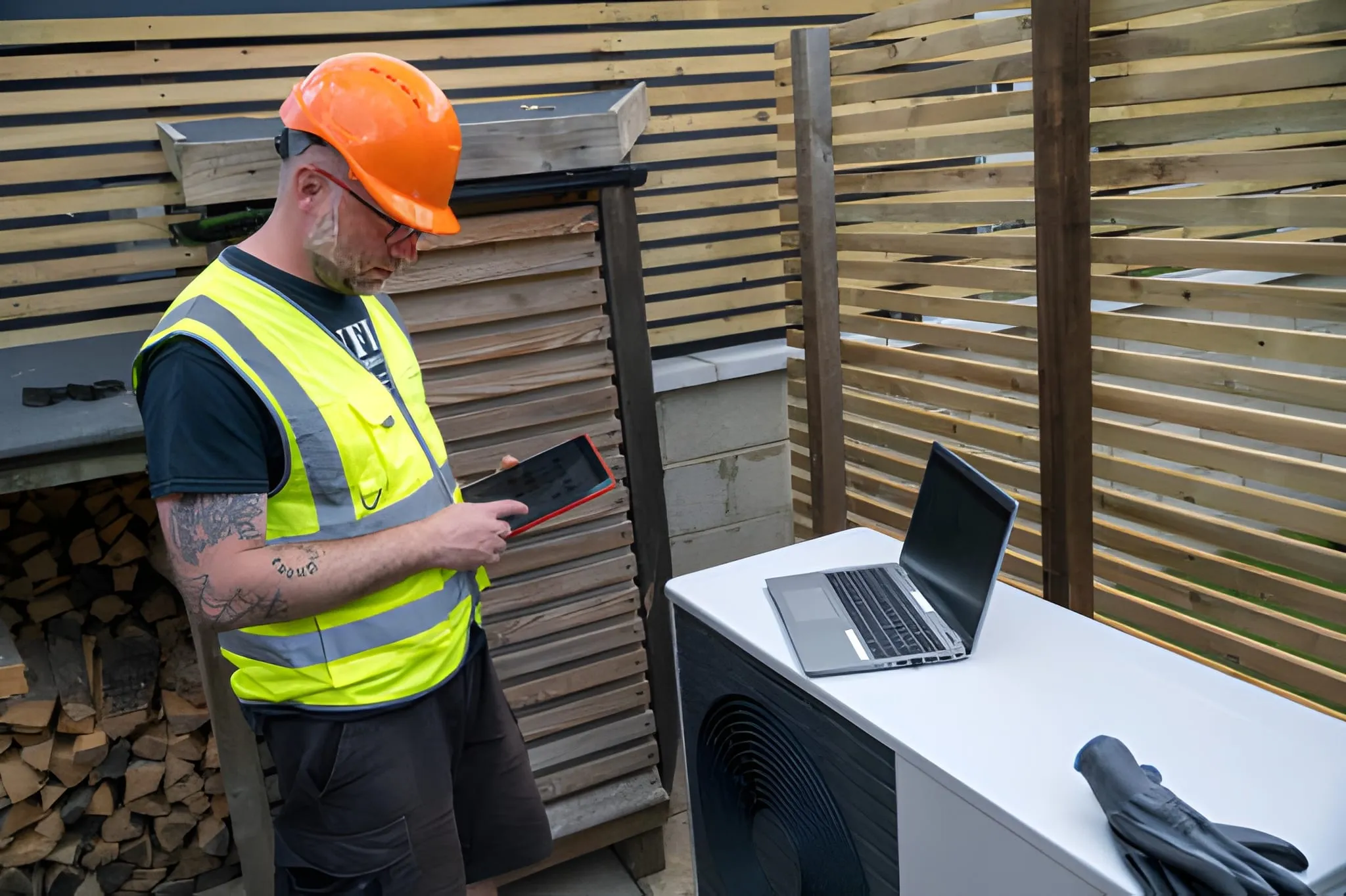
- Arrival in a marked vehicle with a uniformed technician who carries the tools and testing instruments required for a full tune-up.
- A sequence of visual, electrical, refrigerant, and airflow checks as described in the diagnostic approach.
- Real time adjustments and cleaning where practical, and a clear list of items that require follow-up repair or parts replacement.
- Documentation of findings and a simple explanation of what was done, why it matters, and recommended next steps.
A typical tune-up takes one to two hours depending on system complexity and condition. The goal is to leave your heat pump operating cleaner, safer, and more efficiently.
Why professional tune-ups are an investment, not an expense
The cumulative effect of small inefficiencies and minor wear compounds over time, increasing the chance of major failures and higher energy bills. A professional tune-up reduces those risks by:
- Catching small issues before they become expensive failures
- Restoring system efficiency so it requires less energy to deliver comfort
- Protecting major components like the compressor, which are costly to replace
- Keeping manufacturer warranties in force through documented maintenance
Green Head Heating approaches tune-ups with the mindset of preserving equipment value and reliability, not just checking boxes.
Service transparency and documentation
At the end of each tune-up, homeowners receive straightforward documentation of:
- Checks performed
- Measured values such as operating pressures, temperature splits, and electrical readings when relevant
- Visible wear or damage
- Recommended repairs or upgrades with explanations of impact. This reporting helps homeowners track system health year over year and make decisions based on data rather than guesswork.
Frequently asked questions
What does a heat pump tune-up cost and how long does it take?
A professional tune-up typically takes one to two hours depending on system condition and complexity. Cost varies by scope and local market factors.
How often should I have my heat pump tuned up?
For most Maple Valley homes, twice yearly service before the heating and cooling seasons is recommended to address seasonal stresses and maintain efficiency.
Can a tune-up fix refrigerant leaks?
A tune-up can identify signs of a leak and may include minor repairs, but locating and repairing a refrigerant leak often requires additional diagnostic time and parts or brazing, which is scheduled as a repair.
Will a tune-up improve my energy bill?
Yes. Cleaning coils, correcting refrigerant charge, tightening electrical connections, and restoring airflow typically reduce run times and lower energy consumption.
Are tune-ups necessary for all types of heat pumps?
Yes. Air source, ductless mini split, and geothermal systems each benefit from regular preventive maintenance. The exact checklist may vary by system type.
What should I do if my outdoor unit has debris or leaves?
Keep the area around the outdoor unit clear and gently remove debris. During a professional tune-up, coils are cleaned and debris removed for restored performance.
How do I know if my heat pump is low on refrigerant?
Signs include longer run times, reduced heating or cooling capacity, and abnormal pressures measured by a technician. Only a licensed technician should charge or handle refrigerant.
Is a tune-up covered by equipment warranties?
Many manufacturers require documented routine maintenance to keep warranties valid. Check your warranty terms and keep tune-up records for proof of service.
Does Green Head Heating use manufacturer recommended procedures?
Green Head Heating follows manufacturer guidelines and industry best practices during tune-ups to protect equipment performance and warranty requirements.
What seasonal issues are specific to Maple Valley?
Maple Valley homes commonly see coil fouling from trees and needles, increased moisture effects on electrical connections, and occasional ice accumulation in winter. Tune-ups address these local factors.
Can I perform parts of a tune-up myself?
Homeowners can change filters and keep outdoor area clear. More technical tasks such as refrigerant checks, electrical tightening under load, and motor testing should be performed by trained technicians for safety and accuracy.
Why document tune-up results?
Documentation creates a maintenance history that helps track system health, supports warranty claims, and informs decisions about repairs or replacement over time.
.svg)