Heat Pump Tune-Up in Sumner
Keeping your heat pump running reliably and efficiently is one of the most cost effective decisions you can make for year round comfort in Sumner. Green Head Heating provides a dedicated heat pump tune-up in Sumner designed for the Pacific Northwest climate, addressing the specific wear patterns, moisture-related issues, and seasonal timing that affect local homes. A professional tune-up does more than clean parts; it verifies system performance, uncovers developing faults before they become emergencies, and helps sustain manufacturer warranties and long term efficiency.
Heat Pump Tune-Up in Sumner
Keeping your heat pump running reliably and efficiently is one of the most cost effective decisions you can make for year round comfort in Sumner. Green Head Heating provides a dedicated heat pump tune-up in Sumner designed for the Pacific Northwest climate, addressing the specific wear patterns, moisture-related issues, and seasonal timing that affect local homes. A professional tune-up does more than clean parts; it verifies system performance, uncovers developing faults before they become emergencies, and helps sustain manufacturer warranties and long term efficiency.
Why a heat pump tune-up matters in Sumner
Sumner experiences cool, wet winters and mild, occasionally humid summers. Those conditions create several pressures on heat pump systems that make routine tune-ups essential:
- Increased moisture and frequent temperature swings accelerate corrosion and promote debris buildup on outdoor coils.
- Prolonged damp periods and heavy vegetation can clog condensate drains and outdoor units, increasing the risk of water intrusion and microbial growth.
- Frequent cycling during shoulder seasons (spring and fall) makes proper defrost and reversing valve operation critical for reliable heating performance.
- Homes with older ductwork or tighter building envelopes can show airflow and thermostat issues more clearly if the heat pump is not finely tuned.
A comprehensive tune-up tailored to Sumner homes protects efficiency and comfort while minimizing the risk of emergency breakdowns during cold snaps.
Common heat pump issues seen in Sumner homes
- Reduced heating output in winter due to dirty outdoor coils or low refrigerant.
- Short cycling caused by thermostat miscalibration or control faults.
- Indoor humidity problems linked to improper airflow, coil contamination, or incorrect fan settings.
- Frozen or frosting outdoor units because of a malfunctioning defrost cycle.
- Water leaks or overflow from blocked condensate drains, often exacerbated by wet local conditions.
- Corrosion or electrical component wear from persistent dampness and seasonal temperature swings.
- Noisy operation from worn bearings, loose panels, or imbalanced fans.
These issues often start small and progress. A tune-up catches them early, which reduces repair complexity and helps avoid unexpected failures when the system is needed most.
What a Green Head Heating heat pump tune-up includes
Green Head Heating follows a thorough, industry-standard checklist for a heat pump tune-up in Sumner. Each step is performed to verify safe operation, optimize efficiency, and extend equipment life.
- Visual inspection of outdoor and indoor units
- Check for debris, vegetation, or accumulation against the outdoor unit.
- Inspect cabinet seals, panel fasteners, and mounting for rust or damage from moisture.
- Cleaning coils and accessible components
- Remove leaf, pollen, and dirt buildup from outdoor coils to restore heat transfer.
- Clean accessible indoor evaporator coils where safe to improve airflow and dehumidification.
- Checking and measuring refrigerant pressures
- Measure system pressures and temperatures to evaluate refrigerant charge.
- Flag signs of under or over charge that reduce efficiency and can harm the compressor.
- Verifying thermostat calibration and controls
- Confirm thermostat setpoints match actual conditions and verify correct mode operations.
- Test control sequences, including changeover between heating and cooling and emergency heat functions.
- Tightening electrical connections
- Inspect and secure electrical terminations, contactors, and relay connections.
- Measure voltage and current draw of major components to detect potential failures.
- Lubricating motors and moving parts
- Lubricate fan motors and blower bearings where applicable to reduce friction and noise.
- Inspect belts and pulleys on systems that use them for wear and proper tension.
- Inspecting condensate drains and pans
- Clear lines and traps of blockages, and verify proper slope and trap integrity to prevent water damage.
- Check for microbial growth and recommend treatment where needed.
- Testing defrost cycle and reversing valve operation
- Simulate and observe defrost cycles to confirm reliable winter operation.
- Verify reversing valve shifts correctly between modes for consistent comfort.
- Measuring airflow and checking filters
- Evaluate return and supply airflow to ensure balanced delivery; inspect or replace filters if required.
- Look for duct restrictions that can compromise system performance.
- Safety and operational tests
- Test safety switches, high pressure cutouts, and emergency stop features.
- Verify compressor amp draw against specifications and note any anomalies.
Each item is logged, and any recommendations for repairs, parts replacement, or further diagnostics are documented so you understand the health of your system.
Why each tune-up item matters
- Cleaning coils: Heat transfer depends on clean surfaces. Dirty coils force the compressor to run longer and can reduce efficiency significantly. In Sumner, pollen, moss, and wet debris accelerate coil fouling.
- Checking refrigerant: Proper refrigerant charge is crucial for the heat pump to move heat efficiently. Low charge can cause icing, reduced capacity, and eventual compressor damage.
- Thermostat calibration: If the thermostat reads incorrectly or is poorly located, the system will short cycle or run inefficiently, undermining comfort and increasing energy use.
- Tightening electrical connections: Loose connections cause heat, arcing, and premature electrical failures. Damp conditions common in Sumner increase the likelihood of corrosion and connection issues.
- Lubricating motors: Proper lubrication reduces wear, noise, and energy consumption for moving components.
- Inspecting condensate drains: Blocked drains can cause indoor water damage and foster mold, especially problematic in humid seasons.
- Defrost and reversing valve checks: Heat pumps rely on these for winter reliability. Problems here lead to frozen coils, poor heating, and increased cycling.
- Airflow and filter checks: Restricted airflow stresses the system, reduces capacity, and impairs indoor air quality.
Together, these checks provide a holistic view of system health and help prioritize corrective action before small issues escalate.
Expected performance improvements after a tune-up
A professional tune-up commonly produces measurable gains in comfort and energy performance. Homeowners in Sumner typically see the following improvements when tune-ups are performed and any recommended repairs are completed:
- Restored system capacity and more even indoor temperatures.
- Reduced runtime and improved cycling that lowers energy use.
- Quieter operation as bearings, fans, and panels are secured and lubricated.
- Improved dehumidification and indoor air quality due to cleaner coils and proper airflow.
- Decreased risk of mid-season failures from tightened electricals and verified safety controls.
- Extended equipment life by reducing strain on the compressor and motors.
While results vary by system condition, age, and local home factors, returning the system to proper specifications often recovers a notable portion of lost efficiency. This reduces operational costs and stabilizes comfort during the most demanding months.
Seasonal timing recommendations for Sumner homeowners
- Fall tune-up (recommended): Schedule a thorough inspection and tune-up before the main heating season. Prepare your heat pump for consistent winter operation and ensure defrost controls and reversing valve functions are sound.
- Spring tune-up (recommended for homes that use cooling): After winter, perform a check to ensure the system is ready for cooling and to remove debris from winter months. This is also an opportunity to address any winter wear before summer use.
- Mid-season visual checks (homeowner tasks): Replace or inspect filters monthly during heavy use and keep the area around the outdoor unit free of leaves, lawn clippings, and snow buildup.
- After major weather events: In Sumner, strong storms and heavy rainfall can lodge debris against the outdoor coil or shift mounting hardware. A quick check after events helps identify visible damage.
Scheduling tune-ups on a regular cadence aligns with warranty requirements for many manufacturers and keeps performance consistent over the long term.
How tune-ups reduce emergency repairs and prolong equipment life
Routine maintenance addresses the top failure modes for heat pumps:
- Prevention of compressor failure: Many compressors fail due to prolonged strain from incorrect refrigerant charge or restricted airflow. Early detection prevents catastrophic failure.
- Electrical safety: Tightening connections and catching worn components reduce the risk of motor burnout and electrical hazards that lead to emergency service calls.
- Avoiding water damage: Clearing condensate lines prevents overflow into indoor spaces, which can require urgent remediation and cause secondary damage.
- Catching refrigerant leaks early: Small leaks are cheaper and simpler to fix than a complete system replacement after a slow-developing failure.
- Extending component life: Bearings, belts, and motors last longer when lubricated and properly aligned, delivering many more seasons of reliable operation.
In short, tune-ups shift maintenance from reactive and costly to proactive and predictable.
What to expect during the service visit
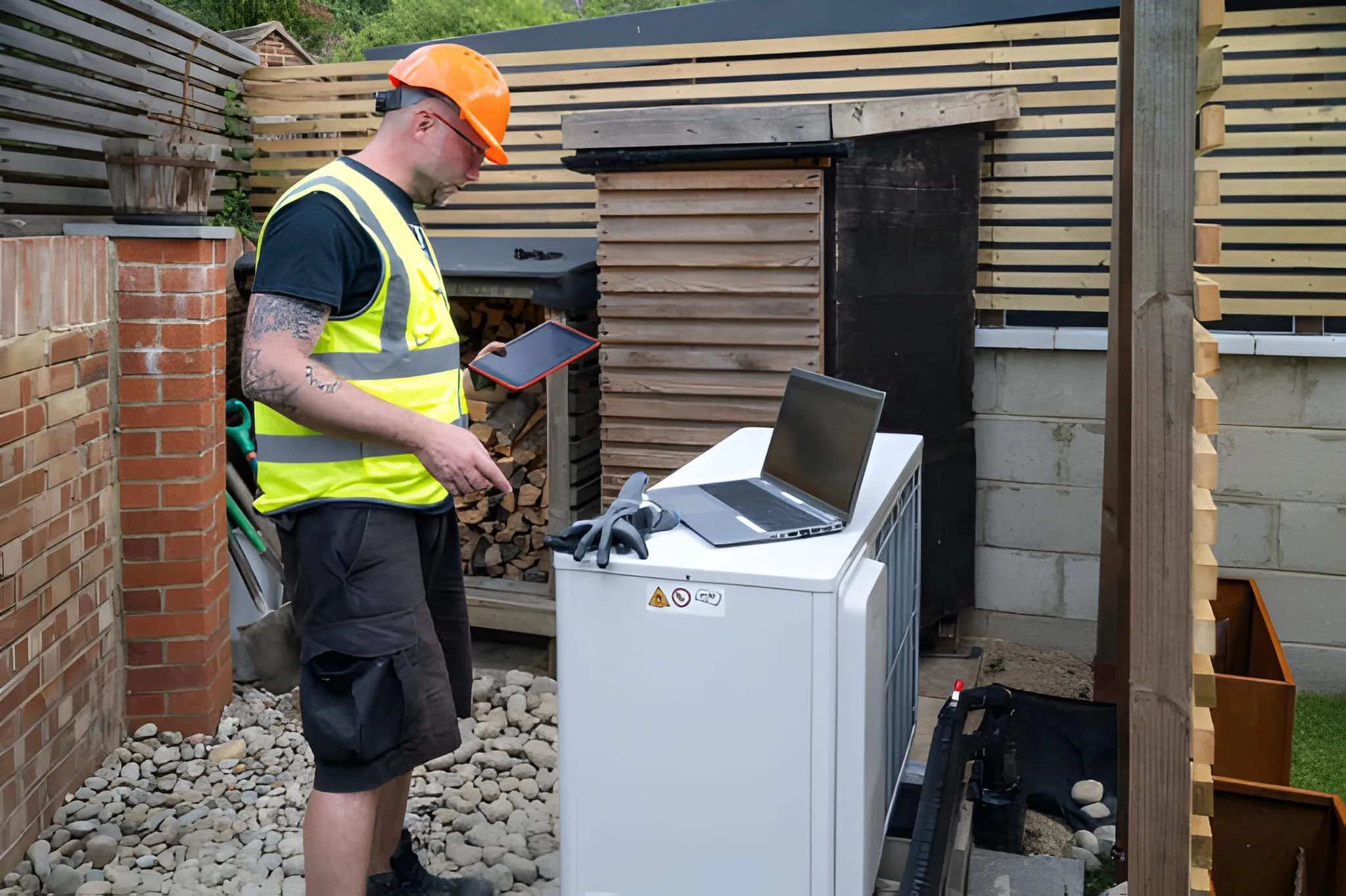
A professional tune-up visit begins with a visual and operational assessment. The technician documents observations, performs the checklist items, and measures system parameters. The process typically includes minor cleaning, calibration, and diagnostic testing. If parts or deeper repairs are needed, those items are noted and prioritized by safety and impact on performance.
Documentation may include:
- A completed checklist of performed tasks
- Measured operating temperatures, pressures, and electrical readings
- Recommended repairs or parts with explanations of urgency and impact
- Notes about seasonal considerations specific to your home
This documentation helps homeowners in Sumner make informed choices about repairs and long term maintenance planning.
Maintenance plans and inclusion details
Many homeowners find value in routine maintenance plans that include scheduled tune-ups and preferred service windows. These plans typically ensure regular seasonal inspections aligned with peak heating and cooling needs and may include record keeping for warranty compliance. Green Head Heating recommends maintaining consistent service intervals to preserve efficiency and identify small issues before they escalate.
Plans often cover:
- Annual or biannual tune-ups timed to local climate needs
- Seasonal checklists performed by trained technicians
- Priority scheduling during high demand periods
- Documentation required for some equipment warranties
Note: This section describes common plan inclusions. Specific plan terms and coverage vary by provider and equipment manufacturer.
Signs your heat pump needs a tune-up now
- Rising utility bills without increased use
- Uneven heating or cold spots in the home
- Strange noises like grinding, rattling, or buzzing
- System that cycles on and off frequently
- Outdoor unit frosting or excessive dripping from the cabinet
- Indoor humidity that feels high despite the system running
- Visible debris, corrosion, or insect nests in or around the outdoor unit
Addressing these signs with a professional tune-up can prevent downtime and reduce repair costs.
Practical homeowner tips between professional tune-ups
- Replace or clean filters regularly, especially during heavy use periods.
- Keep at least one to two feet of clearance around the outdoor unit and trim vegetation back.
- Ensure outdoor units are on stable, level pads and check for pooling water during rainy periods.
- Check the thermostat placement. Avoid locating it where sunlight or drafts distort readings.
- Run a quick inspection of condensate drains twice a year to verify flow.
- Note and record any odd noises or patterns to help technicians diagnose issues faster.
These small actions contribute to system reliability and make tune-ups more effective.
How tune-ups support energy efficiency and sustainability
Regular tune-ups help your heat pump operate closer to its intended efficiency. Because heat pumps transfer heat rather than generate it by combustion, preserving their performance delivers substantial energy savings over time. In Sumner, where electric heat pumps are a common solution for efficient home heating and cooling, maintaining peak performance also reduces overall energy demand and carbon intensity associated with home comfort.
By restoring proper refrigerant levels, cleaning heat exchange surfaces, and optimizing control logic, a tune-up reduces runtime and wasted cycles. This saves energy and lowers the environmental footprint of home heating and cooling.
Choosing the right frequency for your home
While a single annual tune-up is the baseline for many heat pumps, the optimal frequency depends on several factors:
- Age of the heat pump: Older systems benefit from more frequent checks.
- Local environmental exposure: Homes near vegetation, construction, or heavy pollen cycles may need more frequent cleaning.
- Usage patterns: Systems that run frequently year round may require biannual attention.
- Manufacturer guidelines and warranty requirements: Many warranties specify maintenance intervals to remain valid.
Green Head Heating recommends establishing a maintenance cadence based on a system evaluation and the specific conditions around your home. Regular tune-ups tailored to those factors preserve system value and reliability.
Final perspective on value and peace of mind
A professional heat pump tune-up in Sumner is both a technical assessment and an investment in predictable, efficient home comfort. Properly performed maintenance delivers measurable improvements in performance, reduces operating costs, and significantly lowers the odds of disruptive emergency repairs. For Sumner residents, attention to moisture impacts, defrost performance, and condensate management is especially important. With regular tune-ups and sensible homeowner practices, your heat pump can provide efficient, reliable heating and cooling for many years.
Q: How often should I schedule a heat pump tune-up in Sumner?
A: Annual tune-ups are the standard recommendation, with a fall service before the heating season and an optional spring check for cooling readiness. Homes with older systems or heavy environmental exposure may benefit from biannual service.
Q: What are the most common repairs found during tune-ups?
A: Common findings include dirty coils, refrigerant charge adjustments, clogged condensate drains, minor electrical repairs like tightened connections, and filter or belt replacements.
Q: Will a tune-up fix a system that is not heating properly?
A: A tune-up can identify and resolve many common causes of poor heating, such as low refrigerant, dirty coils, thermostat issues, or airflow restrictions. If the problem requires major repairs or component replacement, the tune-up will provide a clear diagnosis and recommended next steps.
Q: Can tune-ups help with my heat pump warranty?
A: Regular maintenance as documented by professional service often aligns with manufacturer warranty requirements. Keep records of tune-ups to support any warranty claims.
Q: Are there any homeowner tasks I should do before a technician arrives?
A: Replace or clean accessible filters, clear debris around the outdoor unit, and note any specific performance issues or unusual noises. These observations help the technician diagnose problems efficiently.
Q: How long does a typical tune-up take?
A: Most comprehensive tune-ups take between one and two hours, depending on system complexity and any discoveries that require additional inspection.
Q: What if my system shows a refrigerant leak during the tune-up?
A: The leak will be documented, and recommendations provided for repair. Addressing leaks promptly prevents efficiency loss and potential compressor damage.
Q: Does a tune-up include cleaning inside the ductwork?
A: Standard tune-ups focus on components of the heat pump system and accessible coils. Duct cleaning is a separate service and may be recommended if poor airflow or contamination is detected.
.svg)