Heat Pump Maintenance in Bellevue
Regular heat pump maintenance in Bellevue is essential to keep your home comfortable year round, reduce energy costs, and extend the life of your equipment. Bellevue homes experience mild, wet winters, humid springs and summers, and occasional wildfire smoke events in late summer. Those local conditions make routine care of heat pumps especially important for efficiency, reliability, and indoor air quality. Green Head Heating provides comprehensive seasonal tune-ups and preventive inspections that target the most common failure points so your heat pump performs optimally when you need it.
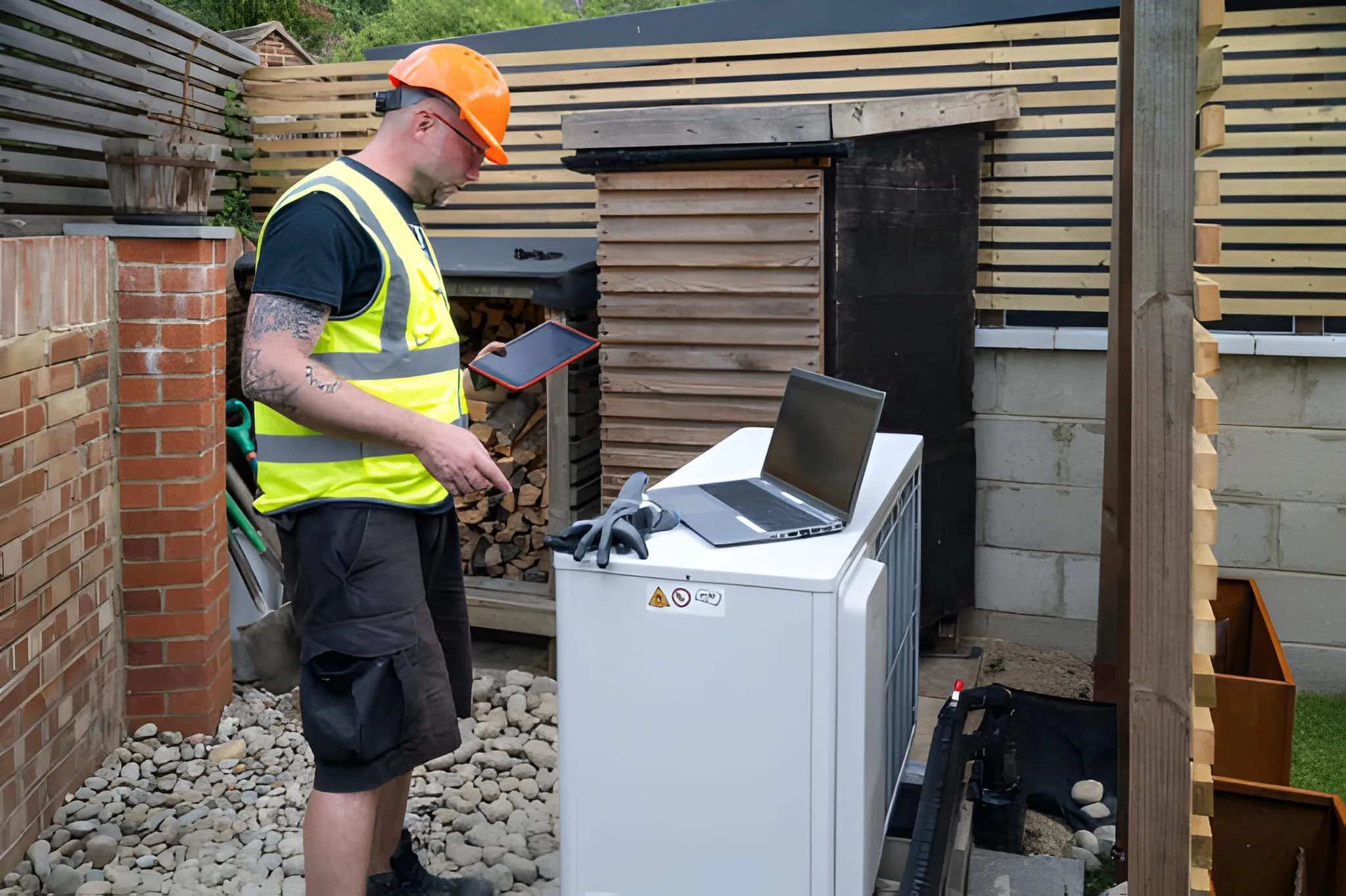
Heat Pump Maintenance in Bellevue
Regular heat pump maintenance in Bellevue is essential to keep your home comfortable year round, reduce energy costs, and extend the life of your equipment. Bellevue homes experience mild, wet winters, humid springs and summers, and occasional wildfire smoke events in late summer. Those local conditions make routine care of heat pumps especially important for efficiency, reliability, and indoor air quality. Green Head Heating provides comprehensive seasonal tune-ups and preventive inspections that target the most common failure points so your heat pump performs optimally when you need it.
Why Heat Pump Maintenance Matters in Bellevue
Bellevue’s climate puts unique demands on heat pumps. Damp air and frequent temperature swings cause increased moisture accumulation on outdoor coils and components, which can accelerate corrosion and refrigerant line wear. Spring pollen and occasional wildfire smoke increase filter loading and indoor air contamination. A well-maintained heat pump handles humidity control better, reduces wear from frequent cycling, and keeps energy use low.
Beyond climate, many Bellevue homes have tight building envelopes that depend on properly balanced HVAC systems to maintain comfort. Maintenance ensures your heat pump is matched to the home’s load, operating safely and efficiently. Regular professional maintenance also helps maintain warranty requirements and can protect against unexpected mid-season failures.
Common Heat Pump Problems in Bellevue Homes
- Reduced heating or cooling capacity during peak demand times.
- Rising energy bills despite similar thermostat settings.
- Ice accumulation on outdoor units in colder spells or during poor defrost cycles.
- Poor airflow or uneven temperatures between rooms.
- Frequent short cycling and noisy operation.
- Refrigerant leaks or low refrigerant levels leading to diminished performance.
- Excessive indoor dust, pollen, or smoke smell due to dirty filters or ducts.
Understanding these issues helps you spot when a tune-up is needed. Green Head Heating’s inspection checklist addresses each of these failure modes with targeted diagnostics and corrections.
When to Schedule Maintenance
- Annual comprehensive tune-up at minimum. For most Bellevue homes, a twice-yearly check is recommended: spring for cooling season readiness and fall for heating season readiness.
- After a major weather event, wildfire smoke episode, or if you notice reduced performance.
- If your system is over 8 years old or has had prior refrigerant or compressor work, more frequent inspections improve reliability.
- When your energy bills increase unexpectedly without a change in usage patterns.
What a Seasonal Tune-Up Includes
A professional tune-up is more than a quick visual check. Green Head Heating’s seasonal service package covers a systematic inspection and performance verification so you know the system is safe, efficient, and ready for the coming season.
Typical tune-up items:
- Verify safe electrical operation and tighten electrical connections.
- Inspect and test capacitors, contactors, and relays.
- Measure compressor and fan motor amp draw and compare to manufacturer specs.
- Check refrigerant charge and look for signs of leaks.
- Clean outdoor and indoor coils and inspect for corrosion or damage.
- Clear and test condensate drain, trap, and overflow protection.
- Inspect and clean blower assembly, check belt condition and motor bearings.
- Replace or clean filters and verify proper filter fit.
- Calibrate thermostat and confirm correct setpoint response.
- Test airflow and measure temperature differential across the evaporator coil.
- Inspect reversing valve operation and defrost cycle for heat pumps.
- Lubricate moving parts where applicable.
- Evaluate ductwork connections for obvious leaks and insulation issues.
- Provide a written summary of findings and recommended repairs or improvements.
Detailed Inspection Checklist Explained
Below are the key components technicians inspect and why each matters.
- Electrical Connections
- Loose or corroded electrical terminals increase resistance and heat, causing component failure and fire risks. Tightening and inspecting wiring reduces the chance of contactor or compressor failure and improves reliability.
- Refrigerant Levels
- Proper refrigerant charge is critical to heat transfer. Low charge leads to reduced capacity, longer run times, ice on the coil, and eventual compressor damage. Technicians measure pressure and temperature to calculate charge and locate leaks when necessary.
- Condensate Drain and Trap
- A clogged drain causes condensate overflow, water damage, and mold growth. Bellevue’s humid months increase drain usage, making routine clearing essential. Technicians flush the line and inspect trap seals and overflow switches.
- Coils (Indoor Evaporator and Outdoor Condenser)
- Coils transfer heat. Dirty coils restrict airflow and reduce efficiency, increasing energy use and causing the unit to run longer. In coastal and humid climates, outdoor coils can collect debris and film that reduce heat exchange; cleaning restores performance.
- Blower Assembly
- The blower moves conditioned air through the home. Dust buildup, misaligned wheels, or worn belts decrease airflow, cause uneven temperatures, and place extra load on the motor. Cleaning and balancing the blower improves air distribution and reduces noise.
- Filter Cleaning and Replacement
- Filters are the first defense against particles, pollen, and smoke. Regular filter care improves indoor air quality and protects internal components. Depending on filter type, cleaning or replacing every 1 to 3 months is common in Bellevue because of pollen and smoke seasons.
- Lubrication of Moving Parts
- Bearings and motors that require lubrication run cooler and more quietly. Proper lubrication reduces friction and extends the life of motors and mechanical components.
- Thermostat Calibration
- Even a small thermostat offset can cause extended run cycles and energy waste. Calibration ensures the thermostat accurately reflects indoor temperature and communicates properly with the heat pump.
- Efficiency Testing
- Technicians measure airflow, temperature split, amp draws, and refrigerant pressures to produce a performance baseline. These measurements reveal issues that a visual inspection cannot and quantify how well the system is delivering heat or cooling.
Filter Care and Indoor Air Quality
Filter performance directly affects comfort and efficiency. Bellevue homeowners should consider:
- Standard fiberglass filters: inexpensive but need replacement monthly to monthly and a half for best protection.
- Pleated filters: higher efficiency, often last 3 months, better for pollen and smoke.
- Washable/reusable filters: cost effective but require consistent cleaning and may trap less fine particulate.
- High efficiency filters or electronic air cleaners: improve indoor air quality but may require more frequent service and attention to airflow impacts.
During wildfire smoke events, more frequent filter changes and higher MERV-rated filters help reduce indoor particulate levels, though they may require blower capability checks to ensure adequate airflow.
Lubrication and Mechanical Care
Moving parts keep heat pumps functioning smoothly. Seasonal service includes:
- Lubricating fan and blower bearings where serviceable.
- Checking belt condition and tension in older or belt-driven blowers.
- Inspecting fan blades for damage and balance.
- Verifying motor mount integrity to prevent vibration damage.
These mechanical checks reduce noise, prevent wear, and avoid out of season failures.
Refrigerant and Leak Management
Refrigerant performance is a major driver of efficiency. Technicians:
- Check system pressures and superheat/subcooling values to verify correct charge.
- Inspect refrigerant lines for insulation degradation and corrosion common in damp climates.
- Use leak detection when suspecting refrigerant loss and recommend repairs before adding refrigerant.
- Explain the operational symptoms of leaks so homeowners can spot problems early, such as reduced cooling or heating, frost on lines, or hissing sounds.
Timely detection and repair of refrigerant issues prevent compressor burnout and extend system life.
Thermostat and Controls Optimization
A calibrated thermostat and properly configured controls are key to comfort and efficiency. Maintenance includes:
- Verifying correct operation of thermostat functions including heat pump-specific settings.
- Confirming differential settings and schedule operation align with homeowner preferences and efficiency targets.
- Checking communication between thermostat and equipment for voltage or signal faults.
Proper control setup avoids unnecessary backup heat usage and reduces energy costs.
Efficiency Testing and Performance Verification
To quantify system health, technicians will:
- Measure indoor and outdoor temperatures and calculate the temperature split or delta T.
- Record compressor and fan motor amps and compare to manufacturer ratings.
- Evaluate airflow in CFM and check static pressure when necessary.
- Run diagnostic cycles including heating, cooling, and defrost to ensure stable operation.
These tests reveal underlying issues like undercharged refrigerant, airflow restrictions, or electrical stress that can lead to premature failure.
Benefits of Regular Heat Pump Maintenance
- Lower energy bills through optimized performance and corrected inefficiencies.
- Consistent comfort with reliable capacity and balanced airflow.
- Extended equipment life and delayed replacement costs.
- Fewer emergency repairs and reduced mid-season failures.
- Better indoor air quality through proper filter care and cleaner coils.
- Validation of warranty requirements by maintaining scheduled professional service records.
- Safer operation by identifying and correcting electrical hazards and refrigerant leaks.
Regular maintenance is an investment that often pays for itself in reduced repairs and lower operating costs over the system lifespan.
Membership and Comfort Plans for Bellevue Residents
Green Head Heating offers membership and comfort plan options designed to provide predictable, scheduled maintenance and added value without surprises. Typical plan benefits include:
- Priority scheduling for seasonal tune-ups to ensure your heat pump is serviced ahead of peak demand periods.
- Pre-scheduled spring and fall inspections with performance testing and written reports.
- Discounts on diagnostic fees and approved repair parts and labor during plan coverage periods.
- Seasonal reminders and documented service history that supports warranty compliance.
- Optional add-ons such as air quality filter upgrades, UV air treatment checks, and duct inspections.
- Flexible plan tiers that reflect frequency of service and level of coverage for single-family homes and multi-system properties.
Memberships are tailored to Bellevue’s needs, accounting for local weather patterns and seasonal air quality events. This structure helps homeowners budget for maintenance and capture savings from reduced repair costs and energy waste.
What to Expect During a Visit
When a professional arrives for a tune-up, the visit follows a consistent, safety-first process:
- Initial system shut down and verification of electrical safety before any work begins.
- Visual inspection of indoor and outdoor components for damage or corrosion.
- Cleaning and clearing of coils and condensate paths where accessible.
- Electrical tightening and testing of motors, capacitors, and contactors.
- Refrigerant level check and leak detection workflow if pressures are abnormal.
- Testing system functions across heating, cooling, and defrost modes.
- Final adjustments, lubrication, filter service, and thermostat calibration.
- Delivery of a written report detailing findings, performed tasks, and recommended next steps.
This methodical approach ensures nothing is overlooked and gives homeowners a clear picture of system health.
Signs You Need Service Now
- Unusually high energy bills without increased usage.
- Reduced airflow or uneven temperatures across rooms.
- Ice buildup on the outdoor unit or refrigerant lines.
- Strange noises such as grinding, buzzing, or hissing.
- System cycling on and off rapidly.
- Persistent humidity or inability to reach thermostat setpoints.
- Visible refrigerant oil stains or frost patterns indicating leaks.
Early diagnosis and correction minimize repair costs and protect the compressor, the most expensive component to replace.
Maintenance Tips Bellevue Homeowners Can Use
- Replace or clean filters every 1 to 3 months; do so more often during pollen season and wildfire smoke events.
- Keep the outdoor unit clear of leaves, debris, and overgrown vegetation to maintain airflow.
- Seal and insulate refrigerant lines and ducts in unconditioned spaces to prevent energy loss.
- Schedule inspections in spring and fall to catch seasonal issues early.
- Keep thermostat settings stable and use programmable schedules to reduce cycling.
- Track performance metrics such as indoor temperature stability and energy use to notice changes early.
Applying these simple practices between professional tune-ups improves system longevity and comfort.
Warranty and Manufacturer Considerations
Many manufacturer warranties require routine professional maintenance to remain valid. Keep detailed service records and copies of tune-up reports to demonstrate compliance with warranty terms. A documented maintenance history also helps when evaluating system performance or making decisions about repairs versus replacement.
Why Professional Maintenance Outperforms DIY
Routine homeowner checks are valuable, but professional maintenance includes calibrated diagnostics, safe handling of refrigerants and electrical systems, and access to manufacturer specifications. Technicians have specialized tools to measure refrigerant charge, motor amps, and airflow accurately, ensuring repairs and adjustments are correct and lasting.
Green Head Heating’s trained technicians follow industry best practices and local code considerations to protect equipment, safety, and indoor comfort in Bellevue homes.
FAQs
Q: How often should I have my heat pump serviced in Bellevue?
A: Most Bellevue homes benefit from at least one professional service per year, but biannual tune-ups in spring and fall are recommended to prepare for heating and cooling seasons and to address local humidity and air quality challenges.
Q: What does a typical tune-up cost?
A: Costs vary by the scope of service and system type. Tune-ups include diagnostic testing, coil cleaning, electrical checks, filter service, and a written report. Membership plans can provide savings and priority scheduling for regular maintenance.
Q: How long does a maintenance visit take?
A: A comprehensive tune-up typically takes 60 to 90 minutes for a single system, depending on system condition and any additional diagnostic testing or minor adjustments required.
Q: Will maintenance improve my heat pump efficiency?
A: Yes. Cleaning coils, correcting refrigerant charge, ensuring proper airflow, and tightening electrical connections restore lost efficiency and often lower energy consumption and bills.
.svg)