Heat Pump Tune-Up in Bellevue
A properly maintained heat pump delivers consistent comfort, lower energy bills, and reliable performance through Bellevue winters and Puget Sound summers. Green Head Heating offers focused Heat Pump Tune-Up in Bellevue to identify hidden problems, restore efficiency, and extend system life. If your home is showing signs of uneven heating, rising cooling costs, or unusual noises, a professional tune-up addresses those issues before they become costly failures.
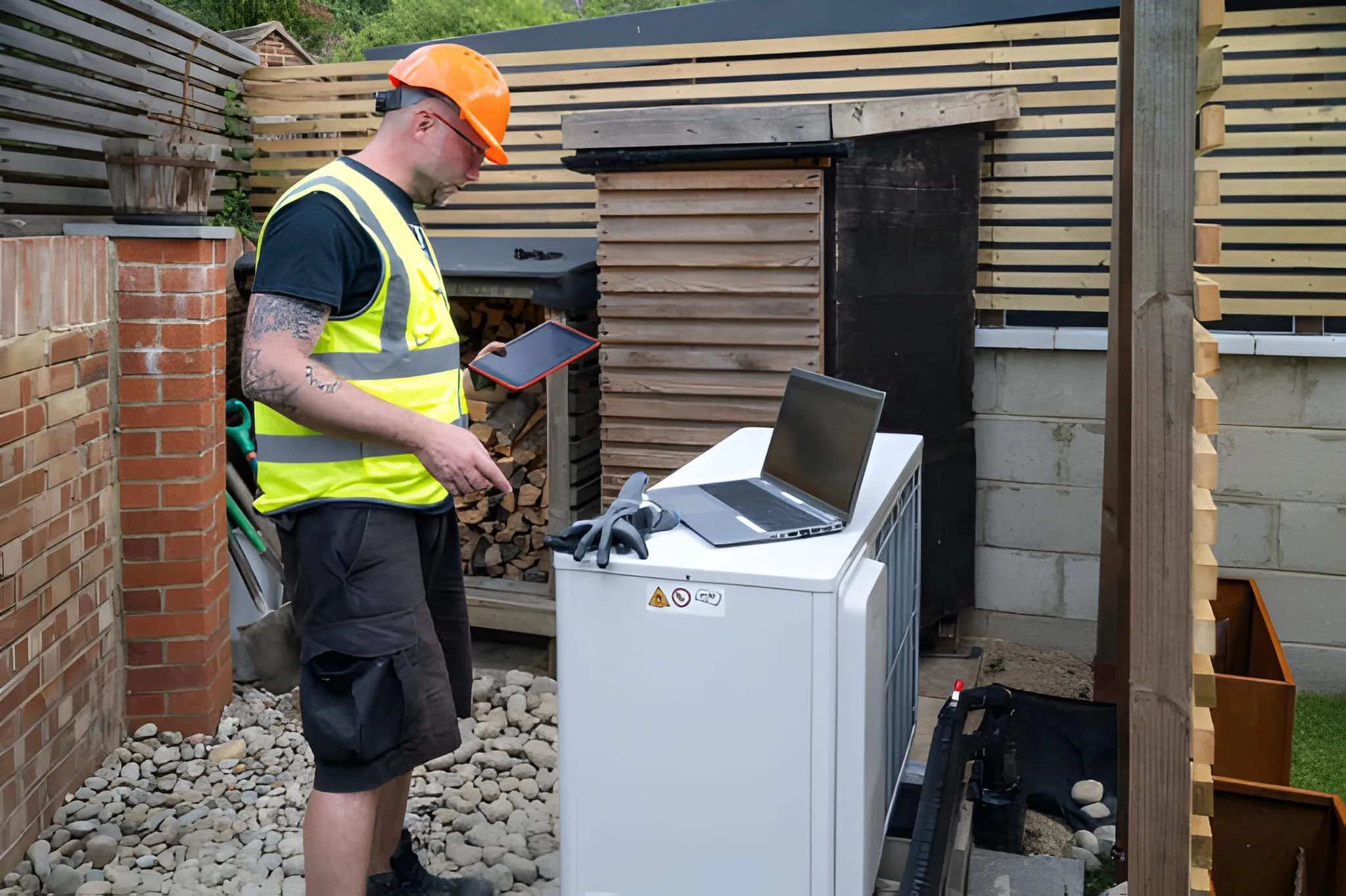
Heat Pump Tune-Up in Bellevue
A properly maintained heat pump delivers consistent comfort, lower energy bills, and reliable performance through Bellevue winters and Puget Sound summers. Green Head Heating offers focused Heat Pump Tune-Up in Bellevue to identify hidden problems, restore efficiency, and extend system life. If your home is showing signs of uneven heating, rising cooling costs, or unusual noises, a professional tune-up addresses those issues before they become costly failures.
Why a heat pump tune-up matters in Bellevue homes
Bellevue sits in a marine climate with mild, wet winters and moderate summers. Those conditions make heat pumps an ideal choice, but the local environment also creates specific maintenance needs. High humidity, seasonal rain, and organic debris increase the chance of coil corrosion, clogged drains, and reduced airflow. Salt and particulate matter are less severe than coastal zones, but foliage and pollen in spring and fall still impact outdoor units.
A regular heat pump tune-up in Bellevue:
- Restores factory-level efficiency lost to dirt, refrigerant loss, or electrical drift.
- Prevents freeze-ups and defrost cycle problems during damp winter months.
- Reduces risk of mid-winter failures when heating demand peaks.
- Keeps refrigerant systems operating safely and within manufacturer specifications.
Green Head Heating understands Bellevue home layouts, common local installation challenges, and the best seasonal timing to protect comfort and efficiency.
Common heat pump problems we find during tune-ups in Bellevue
- Reduced airflow from clogged filters, obstructed vents, or fan issues.
- Lower heating or cooling capacity due to refrigerant leaks or incorrect charge.
- Short cycling caused by thermostat miscalibration, electrical faults, or oversized equipment.
- Frozen evaporator coils from airflow restriction or refrigerant problems.
- Excessive noise and vibration from loose components or failing fan motors.
- Frequent or failed defrost cycles in damp conditions.
- Corroded coils and debris build-up on outdoor condenser coils from rain and pollen.
- Electrical problems like loose connections, failing capacitors, and worn contactors.
- Thermostat inaccuracies or poor control wiring causing uneven zone performance.
Each symptom has predictable causes and effective corrective steps. A tune-up isolates the cause and recommends targeted repairs or adjustments to restore reliable operation.
What a comprehensive Heat Pump Tune-Up in Bellevue includes
A professional tune-up for an air-source or ductless heat pump typically follows a structured checklist to ensure nothing is missed. Green Head Heating’s tune-ups cover the primary mechanical, refrigerant, airflow, and electrical systems:
- Visual system assessment
- Inspect indoor and outdoor units for physical damage, corrosion, or obstruction.
- Check ductwork access points, vents, and condensation lines.
- Refrigerant and pressure checks
- Measure suction and discharge pressures and verify proper superheat or subcooling.
- Check for signs of refrigerant leaks and recommend repairs if loss is detected.
- Airflow and filter service
- Inspect and replace or clean air filters.
- Measure airflow and static pressure to identify blockages or fan problems.
- Coil cleaning
- Clean indoor evaporator and outdoor condenser coils to restore heat transfer.
- Remove debris, leaves, and biological growth that reduce efficiency.
- Electrical inspection and testing
- Tighten electrical connections and inspect wiring for heat damage.
- Test capacitors, contactors, breakers, and control circuitry for safe operation.
- Thermostat and controls
- Verify thermostat calibration and program settings for balanced comfort.
- Check communication wiring on smart thermostats and zone controls.
- Lubrication and moving parts
- Lubricate fan motors and bearings where applicable.
- Inspect fan blades and belts for wear and alignment.
- Noise and vibration inspection
- Identify and correct loose panels, mounting issues, and vibration dampening needs.
- Balance and secure fans to reduce operational noise.
- Condensate and drain checks
- Clear condensate traps and drain lines.
- Inspect drain pans for standing water and microbial growth.
- Safety and performance verification
- Test defrost cycle and reversing valve operation.
- Measure amperage draw on compressors and fans to detect electrical stress.
- Confirm system cycles properly and reaches expected supply temps.
These tasks are performed using industry-grade diagnostic tools and measurement techniques so adjustments are precise, repeatable, and documented.
Diagnostic process explained in plain language
A tune-up is more than a checklist. It is a diagnostic workflow that confirms your heat pump is not only running but running correctly.
- Start with a system history and symptom check. The technician reviews recent performance, thermostats, and any homeowner observations like noise or odor.
- Conduct a visual inspection of both indoor and outdoor components to look for obvious failures or blockages.
- Measure electrical inputs and motor behavior. Loose wires and failing capacitors often manifest as intermittent problems and higher energy use.
- Verify refrigerant charge with pressure and temperature readings. Low or high refrigerant pressures cause poor heating/cooling and possible compressor stress.
- Test airflow and static pressure. Poor airflow leads to frozen coils, higher bills, and uneven comfort.
- Run the system through heating and cooling cycles, observe defrost behavior, and test safety controls and thermostats.
- Record findings, make minor adjustments, and recommend repairs for items requiring replacement or refrigerant recovery and leak repair.
This structured diagnostic approach makes heat pump tune-ups in Bellevue effective at preventing surprises and optimizing seasonal performance.
Repairs and solutions commonly performed after a tune-up
A tune-up will often leave your system in improved condition, but sometimes repairs are needed to restore full reliability and efficiency. Typical repairs and solutions include:
- Refrigerant leak repair and recharge when leak locations are found. Refrigerant handling is conducted by licensed technicians.
- Replacement of worn capacitors, contactors, and relays to prevent sudden motor or compressor failures.
- Cleaning or replacing coil fins and repairing bent fins to restore airflow and heat transfer.
- Replacing air filters and cleaning ductwork components to resolve airflow issues.
- Repairing or replacing outdoor fan motors, indoor blower motors, or bearings causing vibration and noise.
- Repairing or replacing thermostats and control boards to fix short cycling or uneven zoned performance.
- Repairing condensate drains or installing secondary drain systems to prevent water damage in wet weather.
- Replacing defrost controls or reversing valves when units fail to defrost properly in cold, damp conditions.
When repairs are recommended, Green Head Heating explains the cause, the options, and the expected outcome so homeowners can make informed decisions based on system age, cost, and long-term goals.
Seasonal timing and frequency recommendations for Bellevue
Timing tune-ups to match local climate patterns maximizes protection and efficiency.
- Fall tune-up: Recommended before the primary heating season. In Bellevue, having the heat pump checked in September through November ensures the system is ready for cooler, wetter weather and prevents mid-winter breakdowns.
- Spring tune-up: Recommended if the heat pump also functions for cooling. A spring tune-up cleans the outdoor coil and prepares the system for summer performance, especially important after pollen season.
- Frequency: Annual tune-ups are recommended for most residential heat pumps. Homes with older systems, heavy usage, or harsh site conditions may benefit from semi-annual service. Ductless mini-splits also typically follow the annual schedule but may need more frequent filter and indoor coil attention in high-pollen homes.
Bellevue’s mild winters do not eliminate the need for maintenance. The damp, low-temperature cycling experienced locally can accelerate coil and drain issues, making seasonal service particularly valuable.
Recurring tune-up plans and what they include
Recurring maintenance plans provide predictable care and documented service history. Typical features of a recurring heat pump tune-up plan include:
- Scheduled annual or semi-annual tune-ups timed to your heating and cooling seasons.
- Priority scheduling windows during high demand seasons.
- Detailed service reports that track system performance, repairs made, and parts replaced.
- Discounted diagnostics or labor on recommended repairs for plan members.
- Maintenance reminders and inspection records to support warranty compliance.
Enrolling in a recurring plan usually involves choosing the frequency of visits, providing system details like model and installation date, and consenting to a maintenance schedule. Enrollment ensures your heat pump in Bellevue receives regular attention, which can reduce emergency repairs and maintain system efficiency.
Benefits of regular heat pump tune-ups
- Improved efficiency and lower operating costs. Clean coils, correct refrigerant charge, and proper airflow reduce energy consumption.
- Greater reliability and fewer emergency repairs. Maintenance identifies issues early before components fail.
- Longer equipment life. Reduced stress on compressors and motors helps systems meet or exceed expected lifespans.
- Better indoor comfort. Properly tuned systems deliver consistent temperature and humidity control throughout the home.
- Health and safety. Clean coils and drain lines reduce mold and bacterial growth, and electrical inspections reduce fire risk.
- Documentation for warranties and resale. Regular service records help maintain manufacturer warranties and show prospective buyers a maintained system.
Green Head Heating focuses on preserving these benefits in Bellevue homes, balancing efficiency, reliability, and homeowner budget considerations.
Simple homeowner maintenance between tune-ups
There are effective steps homeowners can take to prolong tune-up benefits:
- Replace or clean filters every 1 to 3 months depending on occupancy, pets, and air quality.
- Keep outdoor units clear of leaves, grass clippings, and storage items to maintain unrestricted airflow.
- Ensure vents and returns are not blocked by furniture or drapes, especially after rearranging rooms.
- Inspect visible drain lines and pans periodically for clogs and standing water.
- Monitor thermostat settings and change batteries annually if not on hard-wired power.
- Keep shrubs and planting trimmed at least 2 feet away from outdoor units to maintain airflow and access.
These simple habits reduce the workload on the heat pump and make professional tune-ups more effective.
Safety and regulatory considerations
Handling refrigerant and major electrical repairs requires a licensed technician. Attempting refrigerant repairs or complex electrical work yourself can cause injury or environmental harm. Green Head Heating technicians follow industry safety standards and use EPA-compliant refrigerant recovery and charging practices. Proper documentation of refrigerant handling is part of a professional tune-up and often necessary for warranty compliance.
What to expect during and after a tune-up
During a professional heat pump tune-up in Bellevue, expect a documented inspection that includes measured readings and a written summary of findings. Minor adjustments and cleaning are typically completed at the appointment. If a repair or part replacement is recommended, the technician will outline the issue, the repair options, and the expected benefits so you can plan the next steps. Post-service, you should notice quieter operation, improved comfort, and a reduction in short cycling or uneven temperatures.
FAQs
Q: How long does a heat pump tune-up take?
A: A standard residential heat pump tune-up typically takes 60 to 90 minutes. More complex systems, ducted heat setups, or systems requiring repairs may take longer.
Q: How often should I have my Bellevue heat pump serviced?
A: Annual service is recommended for most homes in Bellevue. Homes with heavy use, older equipment, or more environmental exposure may benefit from semi-annual service.
Q: Will a tune-up lower my energy bills?
A: Yes. Tune-ups restore heat transfer efficiency and correct electrical issues or refrigerant imbalances that increase energy use. Homeowners commonly see measurable reductions in operating costs after a professional tune-up.
Q: Can I perform the tune-up tasks myself?
A: Homeowners can handle routine filter changes and keeping outdoor units clear. Tasks involving refrigerant, electrical testing, and coil cleaning should be performed by trained professionals for safety and accuracy.
Q: What if my heat pump is freezing up?
A: Freezing can result from restricted airflow, dirty coils, or refrigerant issues. A tune-up identifies the root cause and corrects airflow problems, cleans coils, and checks refrigerant levels to resolve freeze-ups.
Q: Are there differences between ducted and ductless tune-ups?
A: Yes. Ductless mini-splits require inspection of individual indoor heads, drainage lines, and wireless controls. Ducted systems require airflow and static pressure checks through the ductwork and may need duct sealing or cleaning attention.
Q: What does refrigerant testing involve?
A: Refrigerant testing includes measuring pressures and temperatures to calculate superheat or subcooling. If leaks are suspected, further leak detection and repair are required before recharge. Refrigerant work must be done by licensed technicians.
Q: Will a tune-up cover repairs?
A: A tune-up identifies issues and may include small corrective actions. Larger repairs or part replacements are documented and quoted separately. Recurring maintenance plans may offer discounts on repairs.
Q: When is the best time to book a tune-up in Bellevue?
A: Scheduling in the fall before the heating season or in the spring before cooling season ensures peak performance when you need it most. Fall service is especially valuable in Bellevue to prevent winter disruptions.
Q: How does Green Head Heating document tune-up results?
A: Tune-ups are recorded with measured readings and service notes. These records support warranty compliance and provide a clear maintenance history for homeowners.
Regular, professional heat pump tune-ups in Bellevue keep systems operating efficiently and reliably while minimizing the risk of mid-season failures. Green Head Heating provides thorough inspections, precise diagnostics, and transparent repair recommendations tailored to Bellevue homes and the local climate. Routine maintenance protects comfort, reduces costs, and extends the life of your heat pump investment.
.svg)