Heat Pump Installation in Sammamish
Heat Pump Installation in Sammamish is a practical, energy-smart upgrade for homes seeking efficient year round heating and cooling. Homeowners in Sammamish face a Pacific Northwest climate with cool, damp winters and mild summers. A properly selected and professionally installed heat pump can reduce reliance on fossil fuels, lower monthly energy bills, and improve indoor comfort. Green Head Heating brings local experience to every installation, balancing performance, permitting requirements, and the specific needs of Sammamish homes and neighborhoods.
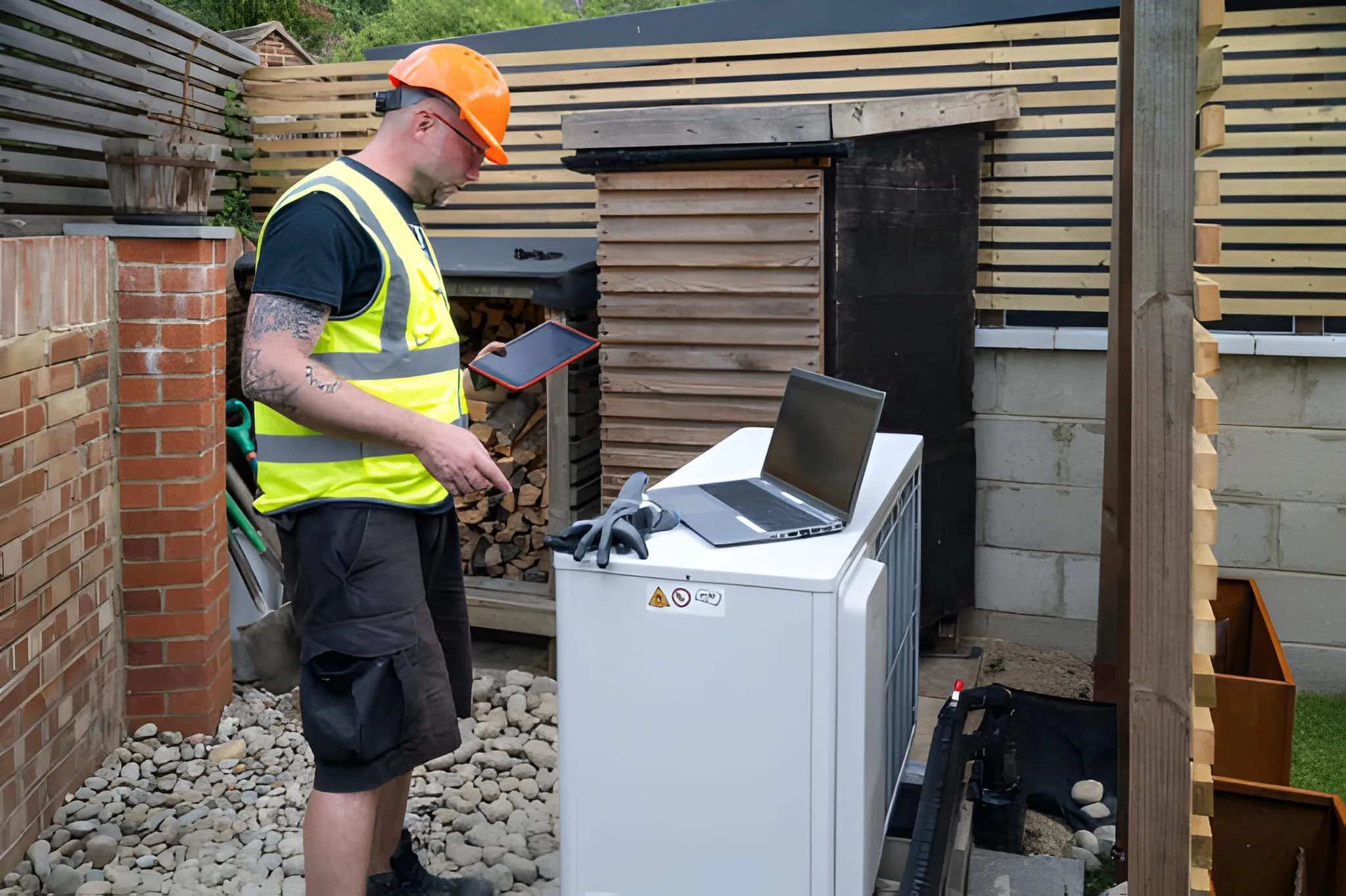
Heat Pump Installation in Sammamish
Heat Pump Installation in Sammamish is a practical, energy-smart upgrade for homes seeking efficient year round heating and cooling. Homeowners in Sammamish face a Pacific Northwest climate with cool, damp winters and mild summers. A properly selected and professionally installed heat pump can reduce reliance on fossil fuels, lower monthly energy bills, and improve indoor comfort. Green Head Heating brings local experience to every installation, balancing performance, permitting requirements, and the specific needs of Sammamish homes and neighborhoods.
Why a professionally managed installation matters
- Heat pumps perform best when sized, sited, and commissioned correctly. Oversized or undersized equipment, poor refrigerant charge, inadequate airflow, or improper electrical connections all reduce efficiency and shorten equipment life.
- Sammamish homes often have unique challenges: older ductwork, compact attic space, or strict HOA guidelines on outdoor equipment placement. A local specialist understands these conditions and designs solutions that meet code and neighborhood standards.
- Proper installation protects eligibility for manufacturer warranties and local rebates, many of which require certified installers and documented permits.
Common Heat Pump installation types and when to choose them
- Ductless mini-split and multi-split systems
- Best for homes without existing ductwork, additions, or rooms needing independent temperature control.
- Pros: zone control, high seasonal efficiency, minimal disruption during installation.
- Considerations in Sammamish homes: wall placement to avoid prevailing wind and moisture exposure; aesthetic concerns in neighborhoods with HOA rules.
- Central heat pump (air handler with ductwork)
- Ideal for homes with existing ductwork in good condition or during whole-house HVAC replacements.
- Pros: even whole-house conditioning, often lower upfront cost for large spaces when ductwork is adequate.
- Considerations: duct leakage, insulation, and balancing are common issues in older Sammamish homes and should be corrected to realize promised efficiency gains.
- Hybrid systems
- Combine a heat pump with a gas furnace for cold-climate backup or intermittent extreme cold.
- In Sammamish this is less often required, but may be chosen for redundancy or to preserve existing heating equipment.
Initial site assessment and load calculations
- Accurate sizing begins with a Manual J load calculation performed for your specific Sammamish home. This evaluates:
- Square footage, ceiling heights, insulation levels, window types and orientation, air infiltration, and local design temperatures.
- Site assessment includes:
- Exterior space for the outdoor unit with clearance for airflow, service access, and consideration of prevailing breezes and snow accumulation.
- Interior locations for air handlers or indoor units that provide optimal distribution and minimize run lengths for refrigerant lines.
- Electrical service review to check panel capacity, breaker sizing, and whether an upgrade or subpanel is necessary.
- Duct inspection for central systems assessing leakage, insulation R values, and proper sizing for desired airflow.
- A careful assessment ensures correct heat pump capacity, prevents short cycling, and maximizes seasonal performance metrics like HSPF and SEER.
Selecting the right heat pump equipment
- Match capacity to heat load, not room size alone. Heat pumps operate most efficiently when running steadily to meet a load they are sized to handle.
- For Sammamish winters, prioritize:
- Cold climate heat pumps with efficient low ambient performance and robust defrost cycles.
- Variable speed inverter compressors that adjust output to match load and maintain steady comfort while minimizing energy use.
- Consider refrigerant type and long-term availability. Modern units commonly use refrigerants such as R410A or lower global warming potential alternatives. Installers licensed to handle refrigerants ensure regulatory compliance.
- Evaluate noise ratings for outdoor units to meet neighborhood expectations. Sammamish residential areas often prioritize quiet operation due to close lot lines and nighttime tranquility.
- Balance upfront cost, lifetime efficiency, and warranty coverage. Longer compressor warranties and robust parts coverage provide protection for Sammamish homeowners exposed to variable weather and seasonal demand.
Permitting and local code considerations in Sammamish
- Heat pump installations in Sammamish require permits and inspections through the City of Sammamish and King County regulations where applicable.
- Typical permit items:
- Mechanical permit for the heat pump and associated duct modifications.
- Electrical permit for new circuits, disconnects, or panel upgrades.
- Refrigerant handling documentation and EPA certification for technicians.
- Code elements to observe:
- Minimum clearances for outdoor units, safe mounting heights, and structural considerations for rooftop or balcony installations where allowed.
- Venting and combustion air considerations when replacing or supplementing existing fossil fuel equipment.
- Local energy codes that may require high efficiency equipment or duct testing and verification.
- Proper permitting protects homeowners, ensures inspections validate code compliance, and is often required for rebate and warranty eligibility.
Electrical and refrigerant connections
- Electrical scope typically includes:
- Dedicated circuit sized to manufacturer specifications, proper disconnects, surge protection options, and coordination with the main service panel to avoid overloading.
- Verification of voltage and phase compatibility, proper breaker types, and wiring gauge.
- Refrigerant line installation:
- Proper line sizing, routing, insulation, and securing to prevent vibration or damage.
- Leak testing and evacuation to remove moisture and non condensables prior to charging.
- Accurate refrigerant charge adjusted for line length and indoor coil conditions to ensure peak efficiency.
- All refrigerant work is performed by EPA certified technicians and documented in compliance with regulations.
Professional installation steps: what to expect
- Pre-installation preparations
- Finalize equipment selections and obtain permits.
- Schedule a day for installation with clear access to outdoor and indoor locations, and plan for any temporary disruption to household systems.
- Site preparation
- Concrete pad, slab, or anti vibration mounts for outdoor units sized and leveled for proper drainage and snow management.
- Indoor unit mounts and supports, condensation drain routing, and electrical routing planned to minimize drywall or finish work.
- Mechanical and electrical work
- Install indoor units, route refrigerant lines, make vacuum and charge refrigerant, and complete electrical connections to the outdoor unit.
- For central systems, connect to ductwork, install air handler, sealing transitions and performing necessary duct modifications or insulation.
- System integration
- Install and configure thermostats and any zoning controls.
- Set up Wi-Fi enabled controls where provided, ensuring secure network configuration and user orientation.
- Final inspection readiness
- Ensure all work complies with permit requirements and is ready for municipal or county inspection.
- Green Head Heating follows documented checklists to ensure nothing is overlooked, from safety clearances to condensation management.
Startup and commissioning
- Commissioning is critical to system performance and includes:
- Verifying correct refrigerant charge under operating conditions.
- Confirming airflow across coils meets manufacturer specifications.
- Measuring supply and return temperatures to ensure proper capacity and efficiency.
- Testing defrost cycle operation and verifying stable operation at low outdoor temperatures common in Sammamish winter nights.
- Checking electrical draw to ensure components operate within safe tolerance.
- Commissioning is documented and often required for rebates and full warranty activation. Green Head Heating documents commissioning results and provides a homeowner-ready summary.
Warranty, rebate, and financing considerations in Sammamish
- Warranties
- Manufacturer warranties typically cover major components like compressors and sometimes include conditional parts warranties. Labor warranties vary by installer.
- Documentation of permits and professional commissioning is often a condition for full warranty coverage.
- Rebates and incentives
- Sammamish homeowners may qualify for local utility incentives and state programs that encourage heat pump adoption. Available programs often require certified installations, proof of permits, and contractor documentation.
- Federal tax credits for energy efficient home improvements may apply. Program structures change over time, and eligibility can depend on equipment efficiency ratings and installation dates.
- Financing
- Financing options commonly exist through contractor partnerships or third party lenders to spread upfront costs. Approved financing often requires detailed scope and equipment documentation.
- Green Head Heating guides homeowners through the documentation requirements so that warranty and rebate applications are complete and compliant with program rules.
Post-installation testing and user orientation
- Post-installation testing
- Leak and pressure tests of refrigerant lines, verification of condensate drainage, and final electrical safety checks.
- Performance verification under real load conditions and adjustments if required after a few days of operation.
- User orientation
- Walkthrough of thermostat operation, scheduling, fan settings, and defrost indicators.
- Explanation of routine maintenance tasks: filter changes, outdoor unit clearance, condensate drain checks, and seasonal considerations for Sammamish weather.
- Provide clear documentation: equipment manuals, warranty certificates, commissioning report, and maintenance schedule.
- Follow up service
- Many homeowners benefit from an annual tune up to maintain efficiency and catch issues early; typical checks include refrigerant level, airflow, electrical connections, and controls calibration.
Common installation issues and how they are avoided
- Undersized or oversized equipment
- Resolved by accurate Manual J load calculations and evaluating insulation improvements before final equipment sizing.
- Poor airflow due to duct problems
- Duct sealing, balancing, and insulation are common remedial services. Airflow testing is standard for central heat pump installations.
- Improper refrigerant charge
- Fixed with careful commissioning and measurement by certified technicians using pressure and temperature methods.
- Electrical shortfalls
- Identified during site assessment; solutions may include panel upgrades, dedicated circuits, or replacing aging disconnects.
- Noise and vibration concerns
- Addressed with proper mounting pads, vibration isolators, and selection of quiet models that are appropriate for Sammamish residential settings.
- Aesthetic and HOA constraints
- Early coordination and placement planning reduce conflicts with neighborhood rules and maintain home value.
Operational tips for Sammamish homeowners
- Embrace steady setpoints and use programmable or smart thermostats to reduce cycling and maximize efficiency.
- Keep outdoor units clear of leaves, debris, and snow build up. Sammamish’s wet climate can encourage moss and debris accumulation that impedes airflow.
- Schedule annual maintenance visits in the spring or fall to prepare for peak cooling and heating seasons.
- Consider supplemental insulation or window upgrades to reduce overall load and allow a smaller, more efficient heat pump to meet comfort goals.
- For ducted systems, use sealed and insulated ducts and consider zoning dampers for more granular control in multi level Sammamish homes.
Benefits of professional installation by a local expert
- Local installers bring knowledge of Sammamish building styles, neighborhood regulations, and common home performance issues.
- Proper installation maximizes efficiency, reduces operating costs, ensures comfort, and preserves warranty coverage.
- Attention to small details during installation translates into quieter operation, longer equipment life, and fewer callbacks.
Warranty and documentation you will receive
- A complete installation package typically includes:
- Permit receipts and inspection sign off.
- Manufacturer warranties for the heat pump and major components.
- Installer labor warranty documentation.
- Commissioning report with measured operating parameters and refrigerant charge confirmation.
- Rebate and incentive paperwork assistance where applicable.
Maintenance plan and expected lifespan
- Regular maintenance recommendations for Sammamish homes:
- Replace or clean filters every 1 to 3 months depending on use and indoor air quality.
- Annual inspection and service including refrigerant check, electrical tightening, coil cleaning, and performance verification.
- Expected lifespan:
- With proper maintenance, modern heat pumps commonly last 15 to 20 years. Variable factors include local humidity, cycling frequency, maintenance regimen, and system sizing.
FAQs
Q: How long does a typical Heat Pump Installation in Sammamish take?
A: Most straightforward installations take one to three days depending on whether existing ductwork is used, whether a panel upgrade is required, and permit inspection scheduling. Complex retrofits may take longer.
Q: Will a heat pump work in Sammamish winters
A: Yes. Modern cold climate heat pumps are designed to provide efficient heating in Sammamish conditions. They perform well in mild to moderately cold temperatures, and many models maintain capacity down to well below typical Sammamish winter lows.
Q: Do I need a permit for a heat pump installation in Sammamish?
A: Yes. Mechanical and electrical permits are generally required through the City of Sammamish or King County. Proper permits and inspections protect you and help maintain rebate and warranty eligibility.
Q: Can a heat pump use my existing ductwork?
A: Often yes, but ducts must be inspected for leakage, proper insulation, and sizing. Sealing and balancing may be necessary to achieve the efficiency and comfort expected from a new heat pump.
Q: What is involved in the startup and commissioning process?
A: Commissioning includes refrigerant charge verification, airflow and temperature measurements, electrical tests, defrost cycle checks, and performance validation to manufacturer specifications.
Q: Are there rebates or incentives available for Sammamish homeowners?
A: Various local and state incentive programs often support heat pump installations. Eligibility typically requires certified installers, permits, and documented commissioning. Incentive programs change over time, so documentation is crucial.
Q: How long is a typical heat pump warranty?
A: Warranties vary by manufacturer and component. Compressor warranties are commonly 5 to 10 years, with some manufacturers offering extended coverage. Installer labor warranties are separate and should be documented.
Green Head Heating designs and installs heat pump systems to meet the practical needs of Sammamish homeowners, with attention to local climate, code compliance, and long term performance. A thorough assessment, careful equipment selection, permitted installation, and detailed commissioning deliver reliable comfort, energy savings, and peace of mind for years to come.
.svg)