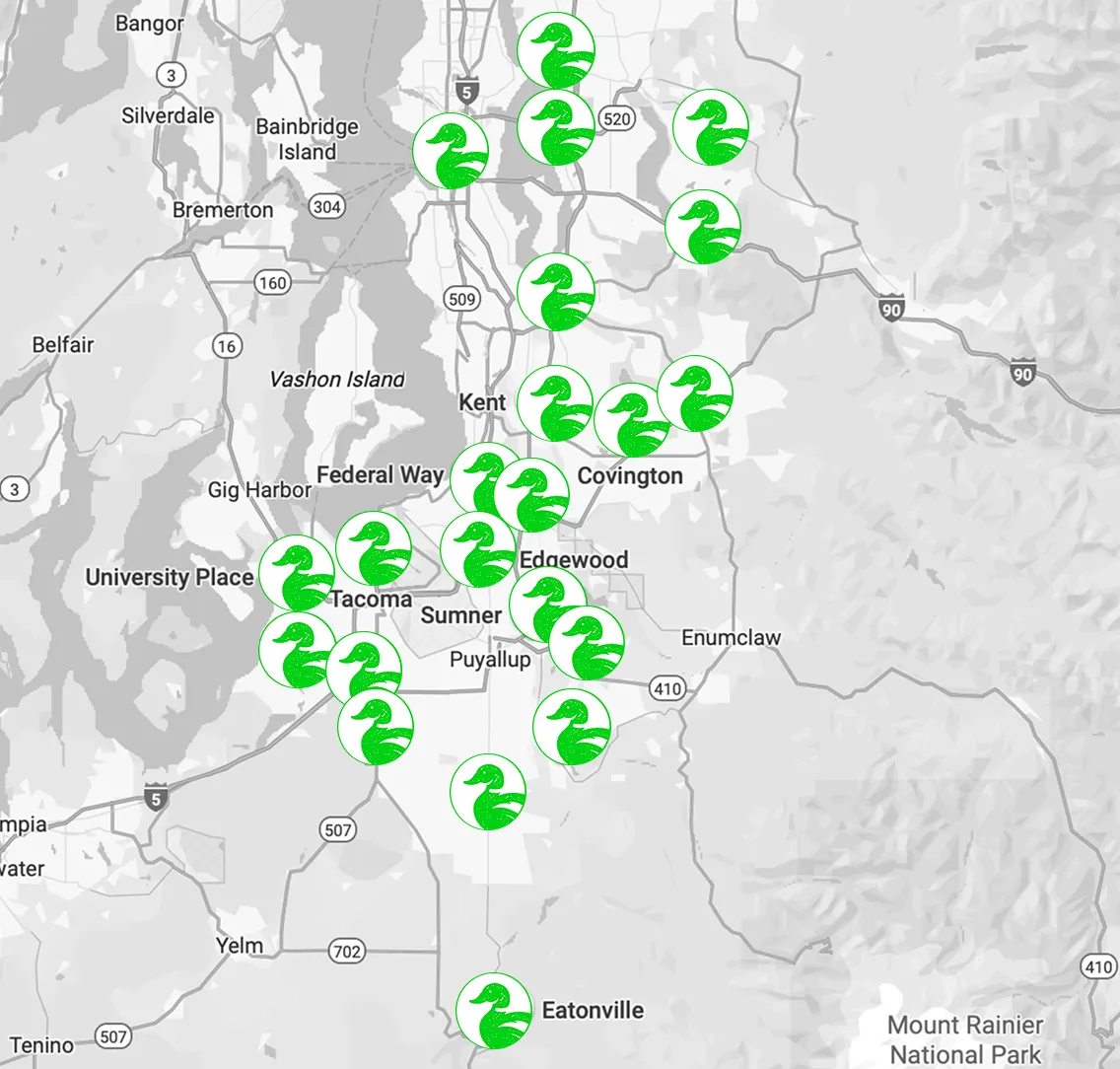
Heat Pump Maintenance in Sammamish
Keeping your heat pump running reliably and efficiently is essential for year round comfort in Sammamish homes. Green Head Heating provides professional heat pump maintenance designed to prevent breakdowns, reduce energy bills, and extend equipment life. Routine and seasonal maintenance is especially important in Sammamish because the local climate and neighborhood vegetation create specific stresses on equipment: wet winters, moderate but humid summers, heavy tree cover that produces leaves and pollen, and temperature swings that put frequent load changes on heat pumps. This page explains what a comprehensive maintenance visit includes, common issues we see in Sammamish, the diagnostics and repairs often required, membership plan perks, and clear guidance on how often to schedule service.
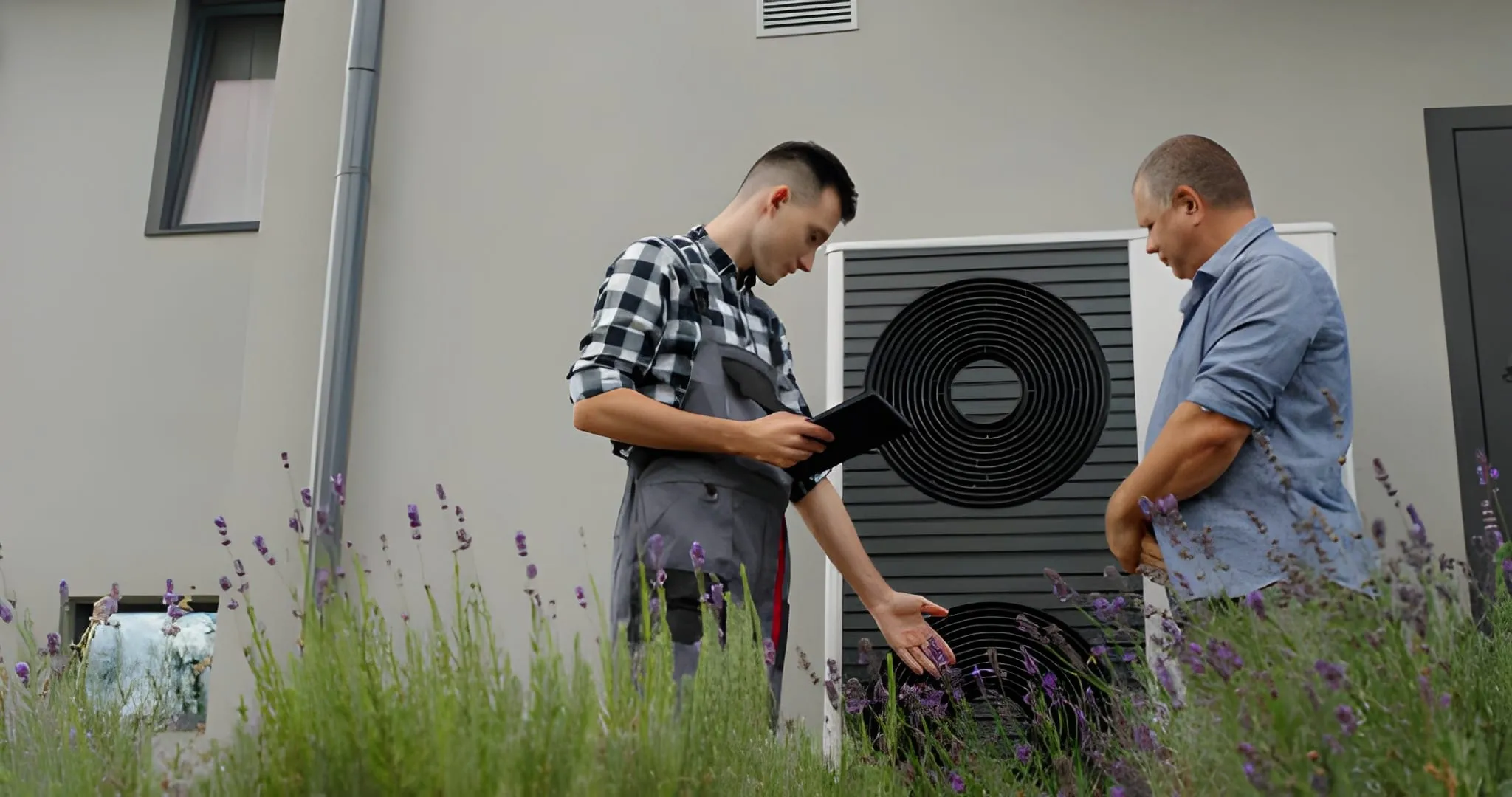
Heat Pump Maintenance in Sammamish
Keeping your heat pump running reliably and efficiently is essential for year round comfort in Sammamish homes. Green Head Heating provides professional heat pump maintenance designed to prevent breakdowns, reduce energy bills, and extend equipment life. Routine and seasonal maintenance is especially important in Sammamish because the local climate and neighborhood vegetation create specific stresses on equipment: wet winters, moderate but humid summers, heavy tree cover that produces leaves and pollen, and temperature swings that put frequent load changes on heat pumps. This page explains what a comprehensive maintenance visit includes, common issues we see in Sammamish, the diagnostics and repairs often required, membership plan perks, and clear guidance on how often to schedule service.
Why routine heat pump maintenance matters in Sammamish
Regular maintenance solves two basic homeowner problems: unexpected failures and higher operating costs. Heat pumps are efficient but complex systems with moving parts, refrigerant circuits, and controls that can drift out of adjustment over time. In Sammamish, moisture and seasonal pollen accelerate coil fouling, clog drains, and increase corrosion risk in outdoor equipment. Left unmaintained, these issues lead to reduced heat transfer, higher energy consumption, uneven comfort, ice buildup in winter, and occasional emergency repairs during cold snaps. A professional tune-up ensures your system runs the way the manufacturer intended, protecting comfort and household budgets.
Common heat pump issues in Sammamish
- Reduced airflow and poor heating or cooling distribution
- Caused by dirty filters, clogged ducts, or failing blower motors.
- Increased energy use without noticeable improvement in comfort
- Often due to dirty coils, low refrigerant charge, or electrical inefficiencies.
- Ice buildup on the outdoor unit during winter
- Can indicate refrigerant problems, a stuck reversing valve, or poor defrost operation.
- Frequent short cycling or system running constantly
- Linked to thermostat calibration problems, electrical faults, or incorrect refrigerant charge.
- Strange noises from indoor or outdoor units
- Bearings, fan motors, or debris can cause rattles, screeches, or hums.
- Water around indoor equipment or clogged condensate drain
- High humidity and pollen can clog drain lines or pumps causing overflow and indoor damage.
- Corrosion and accelerated wear on outdoor coils and fasteners
- Sammamish wet winters and tree cover increase corrosion risk if protective coatings fail.
Understanding these common failure modes helps homeowners prioritize preventive maintenance and avoid service calls during peak weather.
What a heat pump maintenance visit includes
A thorough maintenance visit inspects, cleans, calibrates, and tests every major component. Green Head Heating follows a structured checklist so nothing important is missed. Typical tune-up items include:
- Filter service and replacement
- Inspect and replace disposable filters or clean permanent filters. A clean filter protects indoor air quality and maintains airflow.
- Indoor and outdoor coil cleaning
- Remove dirt, pollen, and biological growth that reduce heat transfer and efficiency. Coil cleaning restores performance and helps prevent freeze ups.
- Refrigerant level and leak evaluation
- Measure pressures and temperatures to verify charge. Low refrigerant usually indicates a leak that must be found and repaired by an EPA certified technician.
- Electrical connection inspection
- Tighten lugs and terminals, inspect contactors and capacitors, measure current draw on motors and compressors to spot failing components early.
- Lubrication of moving parts
- Where applicable, lubricate fan and motor bearings to reduce noise and wear.
- Thermostat calibration and control checks
- Verify thermostat accuracy, setpoints, and control logic so the system cycles correctly and meets comfort expectations.
- Airflow measurement and static pressure check
- Confirm adequate airflow through the evaporator coil and ductwork. Restricted airflow stresses the compressor and reduces efficiency.
- Condensate drain and pan inspection
- Clear blockages, test drain lines and pumps, and sanitize drain pans where needed to prevent overflow and microbial growth.
- Outdoor unit clearance and visual inspection
- Remove debris and make sure the unit has at least the recommended clearance. Check for signs of corrosion or animal damage.
- Defrost cycle and reversing valve operation test
- Confirm the heat pump transitions properly between heating and defrost modes to prevent icing and maintain winter performance.
- Performance test and documentation
- Measure supply and return temperatures, operating amps, and system pressures to create a performance baseline. Technicians document findings and recommended follow up.
Each step is performed by a trained technician who explains issues in plain language and records results for your service history.
How technicians diagnose problems
A maintenance visit is both preventive and diagnostic. Technicians start with a visual inspection, then proceed to measurements and component tests:
- Visual inspection of both indoor and outdoor units for obvious damage, debris, or corrosion.
- Filter inspection and airflow check to identify immediate restrictions.
- Electrical testing using a meter to measure voltages, currents, and test capacitors and contactors.
- Refrigerant performance assessment by measuring pressures and superheat/subcooling where applicable.
- Temperature split tests across coils to quantify how effectively heat is being transferred.
- Drain and pan testing to ensure condensate removal works under typical load.
- Defrost cycle and reversing valve verification for winter readiness.
- Operational run test under heating and cooling modes to observe cycling behavior and listen for abnormal noises.
The result is a clear picture of system health and prioritized recommendations for repairs or replacements, documented in a maintenance report.
Common repairs and solutions explained
Not every maintenance visit results in a repair, but common findings often require simple fixes that prevent larger failures:
- Filter replacement and duct cleaning
- Low cost and immediate improvement in airflow and indoor air quality.
- Refrigerant leak repairs
- Locate and seal leaks, then recharge to manufacturer specified levels. Proper repair prevents repeated losses and restores efficiency.
- Capacitor and contactor replacement
- These electrical components wear with time and are replaced when failing to ensure reliable starts and stable operation.
- Fan motor and blower repairs
- Bearings and motors can fail; lubrication or motor replacement restores airflow and reduces noise.
- Drain line clearing and condensate pump service
- Restores proper drainage and prevents water damage and microbial growth.
- Coil repairs and fin straightening
- Cleaning and minor coil repair can restore heat transfer; severely damaged coils may require replacement.
- Control board or thermostat replacement
- Modern controls require proper communication between components; failing boards lead to erratic operation and should be replaced by a certified technician.
Technicians prioritize safety and long term value when recommending repairs and will explain why a repair should be performed now versus monitored.
Seasonal maintenance tailored for Sammamish
Sammamish-specific seasonality affects how often and when maintenance should occur:
- Spring tune-up (pre cooling season)
- Clean outdoor coils from pollen and debris buildup, inspect refrigerant charge, test cooling performance, and replace filters to prepare for humid Pacific Northwest summers.
- Fall tune-up (pre heating season)
- Verify heating mode performance, test defrost cycle, inspect outdoor unit for corrosion and clearance from falling leaves, and confirm thermostat settings for winter comfort.
- Winter checks during prolonged cold snaps
- Verify defrost operation and backup electric heat strips in homes that use supplemental heat. Ensure reliable operation when night temperatures are lowest.
- Mid-summer quick check for humid periods
- If your home experiences high humidity or if you notice insufficient dehumidification, a quick coil cleaning and airflow assessment can restore comfort.
Because Sammamish can experience both wet winters and humid summers, biannual checks (spring and fall) are recommended for most homes to cover both heating and cooling seasons.
Membership and maintenance plan perks
A structured maintenance plan provides predictable, documented service and peace of mind. Green Head Heating designs membership plans that reflect the needs of Sammamish homes. Typical plan features include:
- Scheduled seasonal tune-ups
- Pre-scheduled spring and fall inspections matched to local climate patterns.
- Priority scheduling during peak seasons
- Members receive prioritized service during cold snaps and heat waves to reduce wait times for critical repairs.
- Filter replacements and reminder service
- Regular filter replacement or reminders to maintain airflow and indoor air quality.
- Discounted parts and reduced repair fees
- Members receive reduced rates on common repair parts or labor for service items discovered during maintenance.
- Comprehensive service reports
- Each visit yields a detailed, easy to understand report including measurements, recommendations, and a service history record.
- Performance baseline tracking
- Comparison of year to year data helps identify gradual declines in efficiency before they become failures.
- Transferable service agreement
- If you sell a home, documented maintenance history can be transferred to the new owner, which can be helpful for resale.
These membership perks are designed to deliver long term value by reducing emergency calls, improving efficiency, and preserving equipment life. Maintenance plans also help meet manufacturer warranty requirements that often call for documented annual service.
Recommended service frequency
The right frequency depends on system type, age, and home conditions, but these general guidelines apply in Sammamish:
- New, well-installed heat pumps in average homes
- Professional inspection and tune-up at least once per year, with a strong recommendation for two visits per year: one before the cooling season and one before the heating season.
- Homes with pets, heavy pollen, or poor indoor air quality
- Consider quarterly filter checks and at minimum biannual professional service because more frequent filter changes and coil cleanings are required.
- Older systems or units with a history of issues
- Service every six months to monitor performance and catch problems early.
- Ducted versus ductless systems
- Ductless mini split heads require cleaning and inspection of indoor cassettes and outdoor units; frequency matches ducted systems but with attention to indoor head cleaning.
Regular, documented maintenance reduces the likelihood of failure and preserves efficiency. Many manufacturers require annual servicing to uphold warranty terms, so keeping records of professional maintenance matters.
Homeowner maintenance you can do between visits
There are simple tasks homeowners can and should do to supplement professional maintenance:
- Replace or clean filters regularly
- Check every 1 to 3 months depending on filter type and household conditions.
- Keep the outdoor unit clear
- Remove leaves, grass clippings, and debris. Trim vegetation to maintain clearance and airflow.
- Maintain good airflow inside the home
- Keep return and supply vents unobstructed and ensure furniture does not block registers.
- Monitor for unusual noises or odors
- Early reporting of changes in sound or smell helps diagnose problems before they worsen.
- Check thermostat settings and batteries
- Replace batteries and verify settings during seasonal changes to reduce unnecessary cycling.
- Inspect visible refrigerant lines and condensate lines
- Look for obvious damage or pooling water and alert a technician if you see leaks or repeated clogs.
These steps make the technicians work more effective and reduce the risk of emergency failures.
Safety and warranty considerations
Handling refrigerant, high voltage components, and sealed system repairs requires training and certification. Green Head Heating technicians are trained and certified to perform refrigeration service and electrical diagnostics. Two important homeowner considerations:
- Refrigerant handling
- Refrigerant work should only be performed by EPA certified technicians. Improper handling can be unsafe and is illegal for uncertified persons.
- Warranty compliance
- Manufacturer warranties often require annual documented maintenance by a licensed contractor. Failure to follow the maintenance schedule can void warranty coverage.
Documented maintenance visits provide proof of care that helps preserve warranties and resale value.
Long term benefits of regular maintenance
Investing in routine heat pump maintenance produces measurable returns over time:
- Improved energy efficiency and lower utility bills
- Clean coils and correct refrigerant charge mean the system does less work to achieve comfort.
- Fewer emergency repairs and reduced downtime
- Preventive service finds small problems before they become catastrophic failures.
- Longer equipment life and better long term value
- Systems maintained on schedule tend to last longer and maintain capacity.
- Better comfort and consistent temperature control
- Proper airflow, calibrated thermostats, and functioning defrost cycles deliver stable comfort through the year.
- Better indoor air quality
- Clean filters and drains reduce dust, pollen, and microbial growth that affect respiratory health.
- Predictable maintenance costs and documented service records
- Membership plans and regular visits create a documented performance history that supports home resale and warranty claims.
When maintenance is done consistently, heat pumps perform as designed and protect homeowner investments.
What to expect from Green Head Heating maintenance
Green Head Heating approaches each maintenance visit with a focus on clarity, safety, and measurable results. We provide a detailed report of findings and document test results so you have a clear record of system condition. Our technicians will explain any recommended repairs in plain language, outline the consequences of deferring work, and prioritize items that impact safety, reliability, and efficiency. That documentation becomes a useful reference for future visits and helps track system performance over time.
Frequently asked questions
Q: How long does a typical heat pump maintenance visit take?
A: Most comprehensive maintenance visits take about 60 to 90 minutes for a single system. Older systems or those with multiple issues may take longer.
Q: How often should my heat pump be serviced in Sammamish?
A: For most Sammamish homes, a professional service twice a year is recommended: once before the cooling season and once before the heating season. Homes with pets, heavy tree pollen, or older equipment may need more frequent attention.
Q: Will maintenance improve my energy bills immediately?
A: Maintenance that restores airflow and cleans coils often leads to measurable energy improvements right away. The exact savings depend on the extent of buildup and any underlying issues found.
Q: Can I perform maintenance tasks myself?
A: Homeowners can replace filters, clear debris from around the outdoor unit, and check thermostat settings. Tasks involving refrigerant or electrical testing should be left to certified technicians.
Q: Do I need a certified technician for refrigerant or electrical repairs?
A: Yes. Refrigerant work must be done by certified technicians, and electrical diagnostics and repairs should be performed by trained professionals to ensure safety and compliance.
Q: What does a membership or maintenance plan include?
A: Typical plan features include scheduled seasonal tune-ups, priority scheduling, filter replacement reminders, documented service reports, and member benefits such as reduced repair rates or parts discounts. Exact features vary by plan.
Q: Is maintenance required to preserve my warranty?
A: Many manufacturers require annual documented maintenance to keep warranty coverage valid. Keep service records to support any future warranty claims.
Q: How do you handle condensate and drain issues common in humid seasons?
A: Technicians inspect and clear drain lines, test pumps, and sanitize drain pans when necessary. For recurring issues, they diagnose underlying causes such as incorrect pitch, undersized lines, or coil drainage problems.
Q: Will maintenance detect refrigerant leaks?
A: Maintenance includes refrigerant pressure and temperature checks. If a leak exists, a technician will locate and recommend repair before recharging the system to ensure a permanent fix.
Q: How does Sammamish weather affect my heat pump?
A: Sammamish seasonal pollen and leaf fall accelerate coil and filter fouling, while wet winters increase the risk of corrosion and require reliable defrost performance. Biannual maintenance helps manage these local factors.
Keeping your heat pump well maintained protects comfort, health, and your investment. Green Head Heating documents each visit, explains findings in clear terms, and helps homeowners in Sammamish make informed decisions about when to repair or replace components for long term reliability and efficiency. Regular, professional maintenance is the most effective way to avoid emergency repairs and ensure your system delivers the efficient, consistent climate control your home needs.
.svg)