Heat Pump Tune-Up in Sammamish
A professional heat pump tune-up in Sammamish keeps your home comfortable, lowers operating costs, and reduces the risk of mid-winter breakdowns. Green Head Heating provides a systematic, checklist-driven tune-up designed for Pacific Northwest conditions and the common system types found in Sammamish homes. This page explains exactly what a tune-up covers, why each step matters, how long it takes, and the seasonal timing that makes the most sense for local homeowners. The aim is to help you make an informed decision about preventive maintenance and to understand the tangible benefits of routine service.
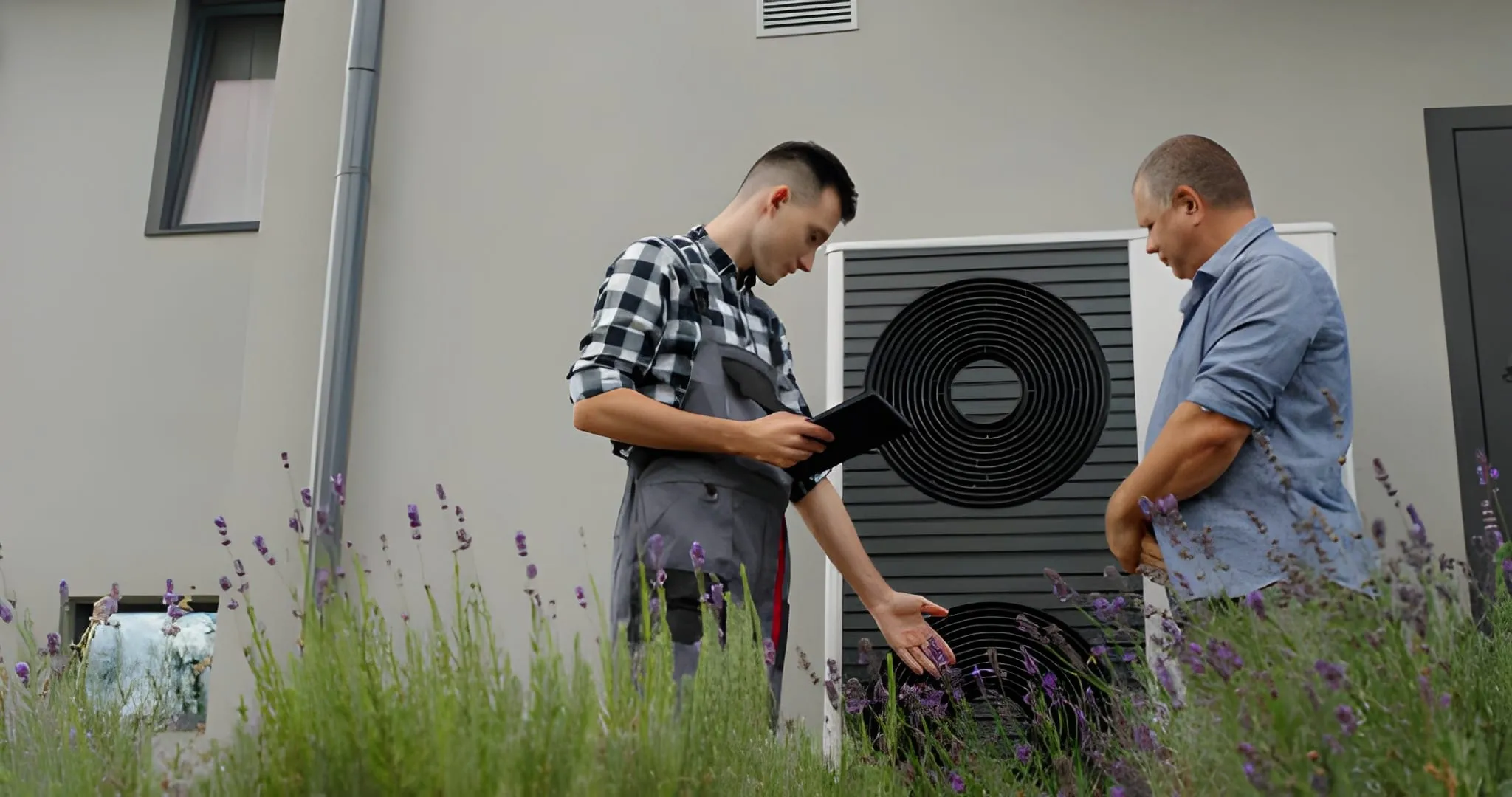
Heat Pump Tune-Up in Sammamish
A professional heat pump tune-up in Sammamish keeps your home comfortable, lowers operating costs, and reduces the risk of mid-winter breakdowns. Green Head Heating provides a systematic, checklist-driven tune-up designed for Pacific Northwest conditions and the common system types found in Sammamish homes. This page explains exactly what a tune-up covers, why each step matters, how long it takes, and the seasonal timing that makes the most sense for local homeowners. The aim is to help you make an informed decision about preventive maintenance and to understand the tangible benefits of routine service.
Why a heat pump tune-up matters for Sammamish homes
Sammamish sits in a temperate, rainy region where heat pumps are a popular choice for year-round heating and cooling. Frequent wet weather, seasonal pollen, and tree debris can affect outdoor units, while older wiring and fluctuating utility rates impact operating costs. A tune-up addresses these local stressors by optimizing refrigerant charge, cleaning components that collect moisture and organic material, and verifying electrical safety. Regular preventive maintenance extends system life, improves comfort on damp or cold days, and reduces the likelihood of expensive emergency repairs when temperatures drop.
Common heat pump problems in Sammamish and what triggers them
- Outdoor coil fouling and corrosion from rain, pollen, and nearby vegetation.
- Refrigerant imbalance due to leaks or undercharging after past repairs.
- Electrical wear or loose connections from repeated freeze-thaw cycles and vibration.
- Defrost cycle failures that lead to inefficient operation or ice build up in winter.
- Refrigerant reversing valve issues that impair the system’s ability to switch between heating and cooling.
- Reduced airflow from clogged filters, dirty indoor coils, or blocked vents, especially after summer pollen season.
Recognizing these issues early through a tune-up avoids lost comfort and higher energy bills.
Heat pump tune-up checklist: step-by-step
Green Head Heating follows a detailed, technician-led checklist that combines visual inspection, measurement, cleaning, and operational testing. Each step is performed with safety and performance in mind.
- Initial system history and visual inspection
- Review system age, service history, and any homeowner notes on performance.
- Inspect indoor and outdoor units for visible damage, rust, or signs of leaks.
- Check mounting, clearances, and vegetation or debris near the outdoor unit.
2. Air filter and airflow inspection
- Inspect and advise on filter condition; replace or recommend the correct filter if requested.
- Check supply and return vents for proper airflow and obstructions.
- Measure static pressure where appropriate to identify airflow restriction.
3. Indoor and outdoor coil cleaning
- Clean indoor evaporator coil if accessible and free from significant mold or obstructions.
- Remove leaves, pine needles, and debris from the outdoor coil fins.
- Use coil-safe cleaners and fin combing techniques to restore heat transfer efficiency.
4. Refrigerant pressure and temperature verification
- Measure refrigerant pressures and temperatures to verify system charge.
- Compare readings to manufacturer specs to identify undercharge, overcharge, or noncondensable issues.
- If refrigerant anomalies are found, note likely causes and next-step repair options.
5. Electrical inspection and tightening
- Inspect and tighten all electrical connections at outdoor and indoor units.
- Test contactors, relays, fuses, breakers, and capacitors for proper operation.
- Look for signs of overheating, corrosion, or insulation breakdown.
6. Defrost cycle and reversing valve verification
- Force a defrost cycle or allow a normal cycle to run and verify proper operation.
- Test the reversing valve function to ensure smooth switching between heating and cooling.
- Inspect sensors and control boards tied to defrost and reversing functions.
7. Motor, fan, and blower checks
- Inspect and test outdoor fan motor and indoor blower motor for proper operation and unusual sounds.
- Lubricate motors if required by the manufacturer.
- Verify fan speeds and measure amp draw to ensure motors are within specified ranges.
8. Thermostat calibration and control checks
- Confirm thermostat settings and calibration.
- Verify control wiring and communications for smart thermostats or zoning systems.
- Condensate and drainage inspection
- Check condensate drain lines and pans for blockages and microbial growth.
- Verify that condensate is properly routed away from the unit and structure.
- System performance test and safety checks
- Run the system through heat and cool cycles while monitoring temperatures, pressures, and amps.
- Document temperature split across the coil, outdoor and indoor operating temperatures, and run-time behavior.
- Perform safety checks including high- and low-pressure cutoffs and defrost safety limits.
- Final review and service documentation
- Provide a written or digital report of findings, recommended repairs, and parts that may be needed.
- Explain priority items (safety and reliability) versus optional efficiency upgrades.
Typical duration and factors that affect timing
A standard single-zone heat pump tune-up in Sammamish typically takes 60 to 90 minutes. Factors that can extend duration include:
- Accessibility issues for attic or rooftop indoor units.
- Significant coil cleaning needs or heavy outdoor debris removal.
- Evidence of refrigerant leaks requiring leak detection testing.
- Electrical repairs or parts that need replacement during the visit.
- Multi-zone or ductless mini-split systems with multiple indoor units.
For multi-zone systems or older equipment with deferred maintenance, plan for 90 to 180 minutes for a comprehensive inspection and testing.
Seasonal recommendations specific to Sammamish
- Fall tune-up: Best time to prepare for the long heating months and wet season. A fall tune-up ensures the defrost cycle and reversing valve are ready for frequent heating operation and that outdoor coils are clean before winter rain and debris build up.
- Spring tune-up: Ideal after pollen season and before increased cooling demand. Cleaning indoor coils and checking refrigerant balance in spring helps summer efficiency and avoids pollen-related airflow restrictions.
- Twice-per-year service: In Sammamish, where humidity and seasonal debris can affect performance, a twice-yearly check is beneficial for homes with older systems or for homeowners seeking peak efficiency and reliability.
Benefits of a regular heat pump tune-up
- Improved efficiency and lower energy use
- Proper refrigerant charge, clean coils, and unrestricted airflow restore the system’s ability to transfer heat effectively. Field experience shows tune-ups often reduce energy consumption compared to neglected systems, with many homeowners seeing noticeable savings on monthly energy bills.
- Reduced risk of breakdowns
- Tightening electrical connections, checking capacitors and contactors, and inspecting for early signs of wear reduce the chance of sudden failures during peak use.
- Extended equipment life
- Routine maintenance reduces stress on components, helping the system reach or exceed its expected lifespan.
- Better indoor comfort and air quality
- Clean coils and proper airflow create more consistent temperatures and reduce humidity issues common in rainy climates.
- Safer operation
- Electrical and safety checks reduce fire risks and ensure safety cutoffs function correctly.
How Green Head Heating conducts diagnostics and prioritizes repairs
Green Head Heating uses a combination of diagnostic measurements and observational skills to deliver clear, prioritized recommendations. Technicians start with baseline performance metrics, then compare those numbers to manufacturer specifications and local expectations. Priority repairs are those that pose safety risks, substantial efficiency losses, or imminent failure. Lower priority items may be recommended as future upgrades to improve comfort or efficiency.
During the inspection process, technicians will note:
- Any refrigerant leaks and whether a temporary top-up is sufficient or a full repair is required.
- Signs of motor wear or failing capacitors that will lead to failure soon.
- Electrical components that are marginal but not yet failing, which homeowners can schedule for routine replacement.
- Opportunities for simple efficiency upgrades, such as programmable thermostats, filter improvements, or duct sealing.
All recommended work is presented in plain language with the likely consequences of delaying repairs so homeowners in Sammamish can prioritize based on safety, budget, and comfort needs.
Typical repair solutions explained in simple terms
- Refrigerant leak repairs
- Technicians locate leaks, repair piping or fittings, and recharge the system to the correct level. A leak left unchecked will reduce heat transfer and increase compressor wear.
- Electrical component replacements
- Worn capacitors, contactors, and relays are replaced to restore reliable starting and operating currents.
- Coil repairs and fin straightening
- Bent fins are combed straight and small dings are addressed to improve airflow and heat exchange. Severe corrosion may prompt a recommendation for coil replacement.
- Defrost and reversing valve fixes
- Faulty valves or sensors are replaced to ensure the system properly alternates between heating and cooling modes without icing up.
- Drain and condensate cleaning
- Blocked drains are cleared and routed properly to avoid water damage, microbial growth, and poor indoor humidity control.
Each recommended repair includes an explanation of why it matters and what homeowners can expect after the repair is completed.
Homeowner maintenance tips between tune-ups
- Replace or clean filters monthly during heavy use seasons and at least every 90 days otherwise.
- Keep at least 18 inches of clearance around the outdoor unit and periodically clear leaves or needles.
- Check outdoor unit for visible frost or ice in warmer-than-normal conditions as this can indicate defrost issues.
- Keep vents and registers unobstructed and ensure furniture is not blocking return air paths.
- Note any unusual sounds or changes in run time and record the date and conditions to help technicians diagnose intermittent problems.
These simple checks reduce wear and give technicians useful context during annual tune-ups.
Why local knowledge matters: Sammamish-specific considerations
Green Head Heating technicians understand local building styles, typical system configurations, and weather patterns that influence heat pump performance in Sammamish. Some specific considerations include:
- Many Sammamish homes have dense landscaping and tree cover that shed needles and leaves onto outdoor units; technicians check and advise on landscape clearance.
- The rainy, humid climate increases the importance of coil and drain maintenance to avoid microbial growth and corrosion.
- Winter temperatures can dip low enough to increase defrost cycle frequency; tune-ups ensure defrost control logic and sensors are accurate and reliable.
- Heat pump adoption in the area means many homes use modern inverter-driven systems; technicians calibrate diagnostics and testing to account for variable-speed compressors and advanced control algorithms.
Technicians from Green Head Heating use experience with local installations to speed up diagnostics and provide recommendations that match how Sammamish homeowners use their systems.
Service documentation and long-term planning
After each tune-up Green Head Heating provides a clear service report documenting:
- What was inspected and cleaned
- Measured performance data and how it compares to manufacturer specifications
- Any safety concerns or recommended repairs, prioritized by urgency
- Estimated useful life and signs to watch for between services
These reports build a long-term maintenance history that helps homeowners plan replacements or efficiency upgrades and supports warranty considerations for newer systems.
Q: How often should I schedule a heat pump tune-up in Sammamish?
A: Most homeowners benefit from an annual tune-up, typically in the fall for heating readiness or in spring for cooling readiness. Homes with heavy use, older equipment, or lots of outdoor debris may benefit from two services per year.
Q: How long does a typical tune-up take?
A: A single-zone tune-up commonly takes 60 to 90 minutes. Multi-zone or systems with accessibility challenges can take 90 to 180 minutes.
Q: Will a tune-up fix a refrigerant leak?
A: A tune-up will diagnose refrigerant issues through pressure testing and temperature measurements. If a leak is present, repair is a separate service that typically requires leak detection and piping or component repair followed by proper recharge.
Q: Can I do any of the tune-up tasks myself?
A: Homeowners can change filters, clear light debris from around the outdoor unit, and ensure vents are unobstructed. Tasks involving refrigerant, electrical testing, coil cleaning inside units, and defrost diagnostics should be performed by trained technicians.
Q: How much energy savings should I expect after a tune-up?
A: Savings vary by system condition, age, and usage patterns. Field experience suggests that tune-ups often reduce energy consumption compared to neglected systems, frequently leading to noticeable reductions on monthly energy bills when major issues are corrected.
Q: What if my system is older than 10 years?
A: Older systems can still benefit from tune-ups to maximize remaining life and efficiency. Tune-ups also help identify failing components so you can plan replacement timing rather than facing sudden breakdowns.
Q: Do you inspect thermostats and controls during a tune-up?
A: Yes, technicians verify thermostat calibration, wiring, and control logic. For smart or zoning systems, communications and sensor functionality are included in the check.
Q: Are tune-ups different for ductless mini-split systems?
A: The core checklist is similar but expanded to include multiple indoor units, line-set inspection, and indoor coil access across multiple rooms. Time and complexity increase with the number of heads.
Q: Will a tune-up remove mold from my coils?
A: Coil cleaning reduces microbial growth and improves indoor air quality, but extensive mold contamination may require specialized remediation. Technicians will document findings and recommend appropriate treatments.
Q: How is the defrost cycle tested?
A: Technicians verify defrost sensor readings, force a defrost cycle if safe and appropriate, and confirm that the reversing valve and control logic are functioning properly. If defrost cycles are irregular or ice persists, additional diagnostics identify root causes.
Final note on value and peace of mind
For Sammamish homeowners, a professional heat pump tune-up combines weather-aware diagnostics, targeted cleaning, and prioritized repairs that reduce energy waste, improve comfort, and prevent emergency service calls. Green Head Heating’s checklist-driven approach ensures nothing important is overlooked, and local experience means technicians account for the specific challenges posed by the Sammamish climate and neighborhood conditions. Regular tune-ups create a documented maintenance history and a predictable plan for repairs or upgrades, which helps protect home comfort and long-term equipment value.
.svg)