Calculating Your Home's Amperage Load Before Adding a 4-Zone Mini-Split System

The Hidden Hurdle of Upgrading to Multi-Zone Heating
As you finalize your plans for a mid fall pre-winter heating startup, eager to upgrade your home's comfort, a sudden realization might halt your progress. At Greenhead Heating & Electrical LLC, we often see local homeowners hit a roadblock when calculating your home's amperage load before adding a 4-zone mini-split system reveals that an existing electrical panel simply lacks the capacity to safely support the new equipment. Homeowners planning a comprehensive heating upgrade frequently discover this hidden hurdle right when they are ready to begin installation. While modern heat pumps are engineered for incredible energy efficiency, a multi-zone setup still requires a significant, dedicated power draw that older electrical infrastructure cannot handle.
To avoid dangerous overloads and unexpected project delays, it is critical to explore modern mini-split systems alongside comprehensive electrical services and panel upgrades before committing to an installation date.
The primary decision point for homeowners revolves around understanding how continuous and non-continuous electrical loads are calculated. This mathematical assessment determines whether a heavy-up—a complete electrical panel upgrade—is mandatory to meet safety codes. Addressing this reality early in the planning phase ensures that your project moves forward smoothly, preventing a scenario where your home is left without reliable heating just as the freezing weather arrives.
Why a 4-Zone System Demands Dedicated Electrical Power
A standard multi-zone climate control system cannot simply be plugged into an existing shared wall outlet. A 4-zone mini-split heat pump typically requires a dedicated 220V/240V circuit wired directly back to the main electrical panel. Depending on the total British Thermal Unit (BTU) capacity of the outdoor compressor and the indoor air handlers, this dedicated circuit often necessitates a 30 to 50-amp breaker to operate safely.
Many homeowners misunderstand the difference between intermittent power usage and the sustained draw required by a whole-home heating system. The outdoor compressor and the multiple indoor air handlers work in tandem, drawing cumulative amperage. When all four zones are actively pushing warm air to combat dropping temperatures, the electrical demand is substantial and unrelenting.
• Toaster or Microwave — Typical Circuit Requirement: 120V Shared Circuit (15-20 Amps) — Power Draw Characteristic: Intermittent (Minutes) — Impact on Electrical Panel: Minimal long-term heat generation
• Electric Dryer — Typical Circuit Requirement: 240V Dedicated Circuit (30 Amps) — Power Draw Characteristic: Intermittent (1-2 Hours) — Impact on Electrical Panel: Moderate, usually factored into baseline load
• 4-Zone Heat Pump — Typical Circuit Requirement: 240V Dedicated Circuit (30-50 Amps) — Power Draw Characteristic: Continuous (3+ Hours) — Impact on Electrical Panel: High sustained draw, heavily impacts total capacity
The cumulative effect: Each indoor air handler features its own blower motor and control board. While individual air handlers draw relatively low amperage on their own, their combined electrical demand, paired with the heavy draw of the outdoor compressor, creates a significant load that requires robust, dedicated wiring to prevent breaker trips and overheating.
Understanding the 100-Amp vs. 200-Amp Panel Dilemma in Older Homes
Many older properties were originally constructed with 100-amp service panels. Decades ago, this capacity was perfectly sufficient to run standard lighting, a refrigerator, and a few basic appliances. However, the electrical landscape of the modern home has changed drastically. Today's households frequently utilize electric vehicle (EV) chargers, electric dryers, induction stoves, and high-capacity water heaters, leaving very little remaining capacity in a legacy 100-amp panel.
Adding a high-draw HVAC system to a maxed-out electrical panel creates a severe safety hazard. If the total demand exceeds the panel's rating, the main breaker will trip repeatedly, or worse, the internal wiring could overheat and pose a fire risk. Upgrading to a 200-amp panel (a heavy-up) is often the only code-compliant path forward for comprehensive home upgrades.
A familiar challenge: Just last fall, our team at Greenhead Heating & Electrical LLC helped a Puyallup homeowner navigate a complex installation for a 4-zone mini-split heat pump. The project involved a challenging layout, running line sets inside walls, navigating property line restrictions, and managing a rigorous noise review for the outdoor condenser. While the physical routing was intricate, the underlying electrical infrastructure posed an equal challenge. The home's existing electrical panel was entirely maxed out by modern appliances, meaning the intricate mechanical installation could not proceed until a full panel heavy-up was completed to safely support the new continuous heating load.
• Electric Vehicles: Level 2 chargers pull massive amperage, often requiring a dedicated 40 to 60-amp circuit.
• Induction Ranges: Modern electric cooking appliances draw significant power during meal preparation.
• Electric Water Heaters: Tankless electric models in particular demand substantial instantaneous power.
• Hot Tubs and Spas: These luxury additions require dedicated 240V circuits that eat into a 100-amp panel's capacity.
How Professionals Perform an NEC Electrical Load Calculation
Determining whether a home can safely support new equipment is not a matter of guesswork. At Greenhead Heating & Electrical LLC, our licensed professionals strictly follow National Electrical Code (NEC) Article 220, which governs exactly how safe electrical loads are determined. This complex formula ensures that the total household demand never exceeds the main breaker's safety rating. A professional load calculation during a mid fall pre-winter heating startup evaluates the entire home's electrical profile.
Factoring in Existing Appliances
1. Assessing General Lighting and Receptacles: Professionals begin by calculating the total square footage of the home. The NEC assigns a specific wattage requirement per square foot to account for general lighting and standard wall outlets.
2. Inventorying Major Fixed Appliances: The technician documents the specific amperage draw of all major dedicated appliances, including electric ranges, dryers, water heaters, and well pumps.
3. Applying Diversity Factors: Not all appliances run simultaneously at full capacity. The NEC allows professionals to apply specific diversity factors—mathematical percentages that safely discount the total theoretical load based on realistic usage patterns.
Adding the New HVAC Load
1. Evaluating the HVAC Equipment: The specific amperage requirements of the new heat pump system are added to the baseline calculation. This includes the maximum overcurrent protection required by the manufacturer.
2. Comparing Total Demand to Panel Capacity: The final calculated load is compared against the rating of the existing service panel. If the new total exceeds the panel's safe operating capacity, an electrical upgrade is mandated by code before the HVAC equipment can be legally installed.

The 80% Continuous Load Rule and Regional Climate Demands
Under NEC rules, a "continuous load" is defined as any electrical draw that lasts for three hours or more. Because continuous operation generates sustained heat within the electrical wires and the breaker panel itself, the NEC mandates a strict safety buffer. Continuous loads must not exceed 80% of a circuit's maximum rating. For example, a continuous load on a 20-amp breaker cannot safely exceed 16 amps.
This rule is incredibly relevant for whole-home climate control. In our years of servicing homes throughout the Pacific Northwest, we consistently see that our winter climate requires heat pumps to run continuously during cold snaps, significantly impacting the home's total continuous electrical load and triggering the 80% rule. When the temperature drops near freezing, a 4-zone mini-split heat pump will operate for many hours at a time to maintain a comfortable indoor environment.
The breaking point: This 80% threshold is exactly why seemingly adequate electrical panels often fail a formal load calculation. A homeowner might look at their 100-amp panel, see a few empty breaker slots, and assume they have plenty of room. However, once the continuous heating load is factored into the NEC mathematical formula, the panel's true safe operating capacity is quickly exceeded, necessitating a heavy-up.
Why HVAC Upgrades Are Ultimately Electrical Projects
Treating the electrical requirements of a new heating system as an afterthought is a recipe for a project management nightmare. Discovering a maxed-out panel mid-installation means tools are downed, the HVAC technicians must leave the site, and the homeowner is left scrambling to hire a separate licensed electrician. This disconnect leads to prolonged periods without heating or cooling while waiting for electrical permits and secondary contractor schedules to align.
Just as evaluating existing ductwork before adding a heat pump is critical for proper air distribution, evaluating the electrical panel is critical for proper power distribution. The mechanical and electrical systems are deeply intertwined. A high-efficiency heat pump is entirely useless if the home cannot safely deliver the voltage and amperage required to turn the compressor on.
Financial planning: Approaching the upgrade holistically during a mid fall pre-winter heating startup also makes financial sense. Federal tax credits and various utility incentive programs may apply to qualifying high-efficiency heat pump installations and their associated electrical panel upgrades. By planning the mechanical and electrical phases as a single comprehensive project, homeowners can often maximize these generic incentives while ensuring a safe, code-compliant installation.
The Advantage of a Unified Electrical and HVAC Contractor
The traditional home improvement model forces homeowners to act as general contractors, coordinating separate HVAC technicians and licensed electricians. This fragmented approach often leads to miscommunication, scheduling conflicts, and finger-pointing if the electrical circuit isn't prepared exactly to the HVAC manufacturer's specifications.
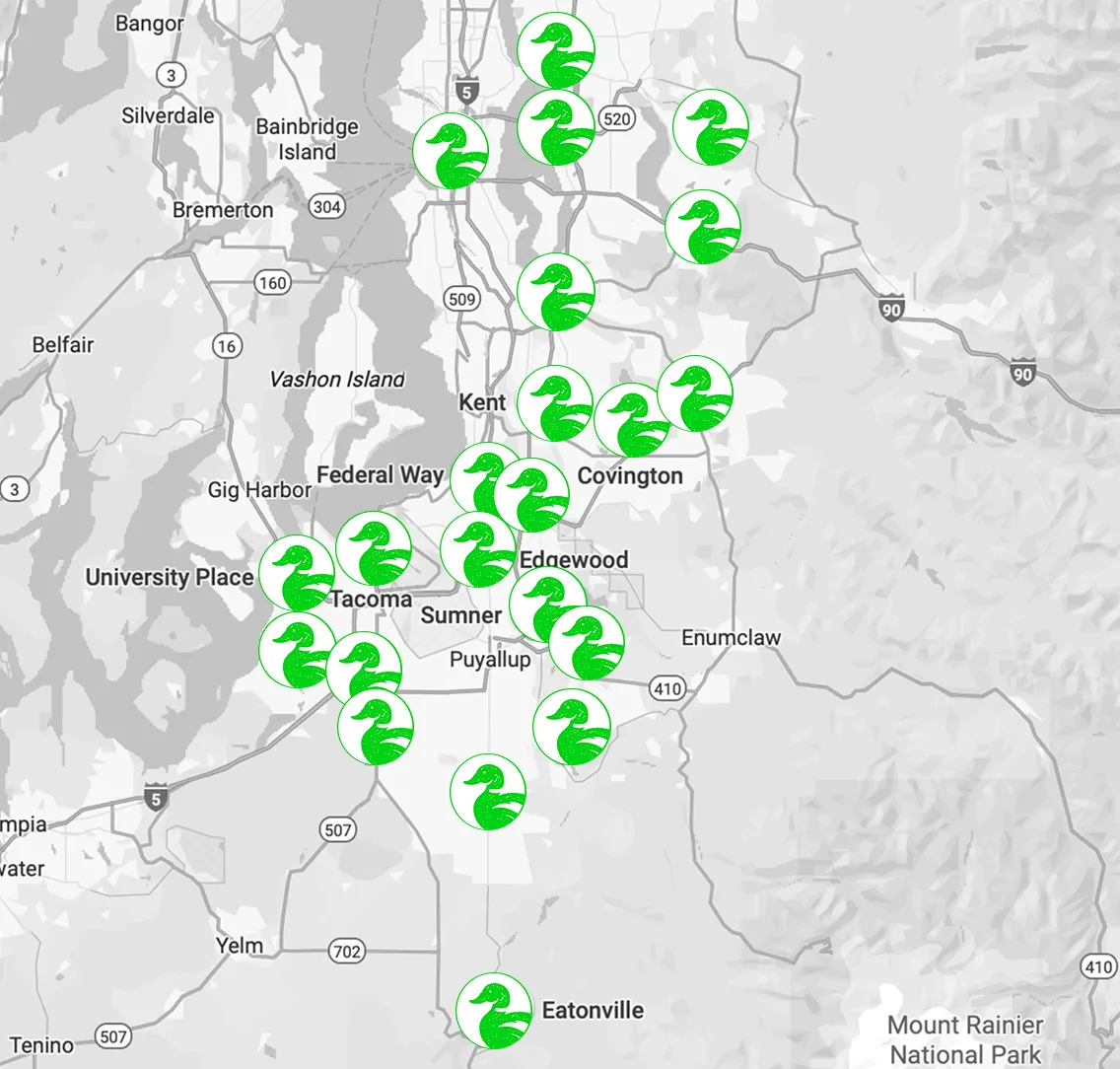
At Greenhead Heating & Electrical LLC, we provide both HVAC and electrical services under one roof. This dual expertise means our team can calculate the load, perform the necessary electrical panel heavy-up, and install the system without sub-contracting. Having a single, unified team handle the entire scope of work eliminates the friction of coordinating separate trades.
Seamless execution: This unified approach guarantees that all NEC codes and manufacturer specifications are met simultaneously. The team assessing your Puyallup HVAC and electrical services is the exact same team pulling the permits, upgrading the panel, and commissioning the 4-zone mini-split heat pump. This prevents frustrating delays and ensures your home is fully prepared and safely heated long before the freezing winter temperatures arrive.
Frequently Asked Questions About Mini-Split Electrical Requirements
Do I need to upgrade my electrical panel for a mini split?
It depends entirely on your home's current electrical capacity and the size of the new system. A formal load calculation performed by a licensed professional is required to determine if your existing panel has enough available amperage. If your home still has an older 100-amp panel, an upgrade is highly likely when adding a multi-zone system during a mid fall pre-winter heating startup.
How many amps does a 4-zone mini split use?
A standard 4-zone system generally requires a dedicated 240V circuit with a 30 to 50-amp breaker. The exact amperage draw depends on the total BTU capacity of the outdoor compressor and the combined draw of the indoor air handlers. Always consult the manufacturer's specific electrical data plate for precise requirements.
Can a 100 amp panel handle a heat pump?
In most modern homes, a 100-amp panel cannot safely support a whole-home heat pump alongside other major appliances. Once electric ranges, water heaters, and dryers are factored into the NEC load calculation, the remaining capacity is usually insufficient for a continuous heating load. Attempting to force the installation on a 100-amp panel often results in tripped breakers and safety hazards.
What size breaker do I need for a 4 zone mini split?
The breaker size is dictated by the Maximum Overcurrent Protection (MOP) rating specified by the equipment manufacturer. For most 4-zone configurations, this falls between 30 and 50 amps. A licensed professional will size both the breaker and the corresponding wire gauge to ensure the circuit operates safely under continuous load.
What is a continuous electrical load and why does it matter for heating?
A continuous electrical load is any power draw that lasts for three hours or longer. It matters for heating because the National Electrical Code requires continuous loads to operate at no more than 80% of the circuit's total capacity to prevent overheating. Since heat pumps run continuously during cold weather, they fall strictly under this 80% safety rule.
Taking the Next Step for Your Home's Winter Comfort
An accurate, professional load calculation is the absolute foundation of a safe, reliable multi-zone heating system. Understanding the complex math behind continuous loads, diversity factors, and panel capacity validates the rigorous professional process required to protect your home. This is not a space for guesswork or unsafe DIY electrical attempts.
As you prepare for a mid fall pre-winter heating startup, addressing the electrical infrastructure first ensures your mechanical upgrades perform flawlessly. We encourage homeowners to explore their home's electrical capacity with a dual-licensed professional before committing to new equipment. Securing a safe, code-compliant heavy-up guarantees your family will enjoy uninterrupted, efficient warmth throughout the coldest months of the year.